論壇回覆創建
-

[font=Times New Roman][/font]愚徒將修煉之故事集成下冊之書,叩評
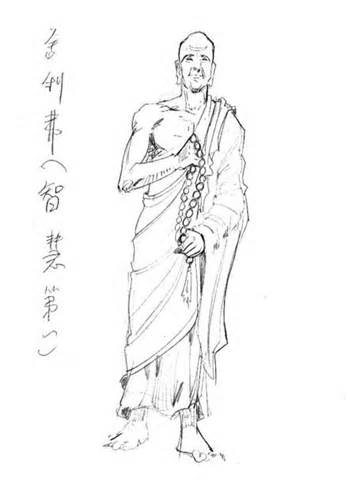
[font=Times New Roman][/font][font=Segoe UI] ([/font]八仙之一[font=Segoe UI])[/font]
[font=Times New Roman][/font]漢鍾離師公總是手搖一把芭蕉扇。被全真道奉為北五祖之一,修煉之事趣
[font=Times New Roman][/font]
[color=windowtext]全真一教派[/color]
[font=Times New Roman][/font][color=windowtext]遠祖帝東華[/color]
[font=Times New Roman][/font][color=windowtext]諸師與眾傅[/color]
[font=Times New Roman][/font][color=windowtext]鍾離名赫遐[/color]
[font=Times New Roman][/font][font=Segoe UI] [/font]
[font=Times New Roman][/font]吾師為漢之將軍也。其於兵畧陳佈陣韜建壘交鋒互戰之間,每每見兵卒猝亡,仁義心起便嗚金北退作敗,故號『常敗將軍』,後終遞祿爵而奪虎符也。後着心仁慈恭悌五倫又慕莊子之超逸,而學丹道之行修者,因兵機連業於殺戮,故雖心誠但因道緣欠祖德之鏗鏘,修常遇假師焉,故攜一扇以表攸閑哉,後終於歷五、六拾之真假道師後再遇東華帝君而點化成五祖之一之大成丹道哉!呂祖仙師為宏泓道者一書(丹法擷華發微)降示
[font=Times New Roman][/font] -
[align=center][font=標楷體]佛陀的降生與成道[/font][/align]
[font=標楷體]家族背景[font=華康楷書體W5][/font][/font]
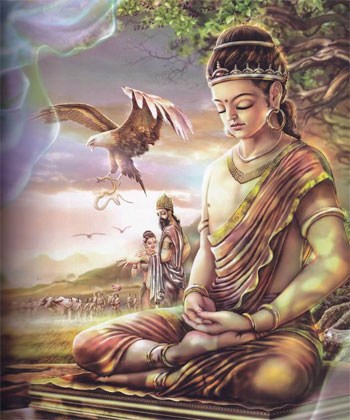
[font=標楷體][font=標楷體]大約二千五百多年前,在今日的尼泊爾中部,座落著印度當時一個小國──釋迦族的迦毘羅衛城。雖然周圍十六大小邦國並立,紛爭迭起,但城主的政治修明,人民生活得以繁榮安定。[/font][font=華康楷書體W5][/font][/font]
[font=標楷體][font=標楷體]佛陀的父母親,就是迦毘羅衛城城主淨飯王和王后摩耶夫人。淨飯王本姓喬達摩,又譯作瞿曇,階級屬於剎帝利種姓。摩耶夫人原是拘利城的公主。[/font][/font]
[font=標楷體][font=華康楷書體W5][/font][/font]
[font=標楷體]佛陀的出生[font=華康楷書體W5][/font][/font]
[font=標楷體][font=標楷體]依照印度當時的傳統風俗,女子懷孕是要返回娘家生產孩子的。摩耶夫人也不例外,需要回到拘利城待產。可是孩子比預期早產,因而在途中的藍毘尼園內一棵無憂樹下,佛陀誕生了。[/font][/font]
[font=標楷體][font=華康楷書體W5][/font][/font]
[font=標楷體][font=標楷體]淨飯王[/font]一直以來都渴望有個兒子繼承王位,現在終於得償所願。他給太子取名悉達多,意即「成就大志者」。當時,一位隱居已久的修道者阿私陀特別到來為太子相命。他預言:太子如果在家,必是轉輪聖王;如果出家,必成聖者。[/font]
[font=標楷體][font=華康楷書體W5][/font][/font]
[font=標楷體][font=標楷體]太子出生後僅七天,母親摩耶夫人便去世了。悉達多自小便由他的繼母,也就是王后的胞妹摩訶波闍波提夫人撫養。[/font][/font]
[font=標楷體][font=華康楷書體W5][/font][/font]
[font=標楷體]童年與出家[font=華康楷書體W5][/font][/font]
[font=標楷體][font=標楷體]悉達多[/font]太子自幼天資聰穎,領悟力特強,在各科目的學習上成績斐然,文武兩方面都有過人的表現。太子的品格高尚,心慈好靜,喜歡思考默想。有一次,當他跟隨父親參加一年一度的春耕祭儀時,目睹農夫在烈日下耕作,汗流浹背;耕牛被農夫鞭打得皮破血流,拖著笨重的犁耙吃力地前進;在被翻起的泥土中爭扎的小蟲,則被鳥兒爭相啄食;而鳥兒卻又被兇猛的大鷹追捕。這一連串弱肉強食的殘酷景象,令太子感歎悲惻,並且留下了非常深刻的印象。[/font]
[font=標楷體][font=華康楷書體W5][/font][/font]
[font=標楷體][font=標楷體]淨飯王[/font]對太子的沉靜性格十分憂慮,恐怕他會捨家學道,所以兒子年屆十七歲,他便立即給他迎娶了拘利城公主耶輸陀羅為妃,更特意興建了三時宮殿供他於寒、暑、雨三種不同季節享用,又安排無數樂師與宮女歌舞玩藝,以令太子縱情宮中繁華享樂。然而悉達多面對浮華,內心卻常思索人生的意義。[/font]
[font=標楷體][/font]
[font=標楷體][font=標楷體]淨飯王一直竭力使太子安住深宮,不見老弱殘障,不解人間疾苦。但終於有一天,悉達多得以出城遊歷四門,成為他生命的轉捩點。首先,在東門他碰見一個弓腰駝背的老翁,顫抖而行,老朽不堪;轉到南門,又看到一個病危者在路旁痛苦呻吟,病態嚇人;遊至西門,更驚睹一列送葬隊伍,抬著死人哀哭無助。最後來到北門,太子遇到一位托砵持杖的修道人,安詳獨行。修道人告訴悉達多,出家修道,為求解脫。四門的見聞激發起太子對人生問題的反省更加深切,老病死的苦況,深深觸動了太子的心弦,令他興起出家探求斷除人生苦患之道的念頭。[/font][/font]
[font=標楷體][font=華康楷書體W5][/font][/font]
[font=標楷體]修行與證道[font=華康楷書體W5][/font][/font]
[font=標楷體][font=標楷體]悉達多[/font]尋思出家修道之際,正當廿九歲盛年,兒子初生未久。雖然剛為人父,但自覺人生大患,迫在眉睫,於是斷然捨棄宮中安逸,拋開慈父妻兒的愛戀,出家修學,尋求解脫之道。[/font]
[font=標楷體][font=華康楷書體W5][/font][/font]
[font=標楷體][font=標楷體]最初,悉達多先後追隨阿羅邏和鬱陀羅兩位當時最著名的大師學道,修習禪定,不久便能達到老師所教的最高禪定境界,連老師也自愧不如,但是悉達多發覺這種禪定的功夫只能獲得短暫的精神寧靜,煩惱並沒有徹底止息,不能真正解脫,於是離開老師,另覓道跡。[/font][font=華康楷書體W5][/font][/font]
[font=標楷體][font=標楷體]在尋師訪道的路途上,悉達多曾經受到摩揭陀國的頻婆娑羅王的賞識,更邀請他一同治理國家,但他未有動搖初衷,只是答應得道之後,必會與大王分享他的證悟。[/font][/font]
[font=標楷體][font=華康楷書體W5][/font][/font]
[font=標楷體][font=標楷體]其後,悉達多來到伽耶山的苦行林中,嘗試跟當時盛行的苦行外道一樣,以極端禁欲和折磨身體的方式來修行,以期超越身心的束縛。他每天長時間端坐沉思,僅食一麻一米來維持生命,這樣經過了六年,只換得蓬頭垢面,瘦骨嶙峋,而煩惱依舊,他終於覺悟到苦行非道,便毅然放棄。他先走到尼連禪河沐浴整潔,跟著又接受牧女的供養,進食乳糜。當時因仰慕他認真修習苦行而追隨他的五個同修,看見他不再堅持苦行,都以為他的道心已退,於是便一起離他遠去。[/font][/font]
[font=標楷體][font=華康楷書體W5][/font][/font]
[font=標楷體][font=標楷體]悉達多放棄了苦行,卻沒有放棄修道。他從新整頓身心之後,更堅定的在一棵畢缽羅樹下,鋪草為座,發大誓言:若不成就正覺,誓不起座。然後端身跏趺而坐,在樹下一心思維正觀,四十九天之後,終於徹悟一切緣起無我,得漏盡通,證阿耨多羅三藐三菩提──無上正等正覺,成為真正圓滿的覺者──佛陀。[/font][/font]
[font=標楷體][font=華康楷書體W5][/font][/font]
[font=標楷體][font=標楷體]佛陀的教化與涅槃 [/font][/font]
[font=標楷體][font=標楷體]佛陀成道之後,思惟緣起正理甚深,世人執迷亦甚深,實難以證悟,無從解脫。由於悲憫世間眾生,決意盡以方便力化度,幫助他們成就正覺,體證涅槃。[/font][/font]
[font=標楷體][font=標楷體][/font][/font]
[font=標楷體]初轉法輪[/font]
[font=標楷體][font=標楷體]佛陀首先前往摩竭陀國的鹿野苑,尋找曾與他一起修習苦行的憍陳如等五人,作為第一批教化的對象。他給五人講說四諦法,而聞法之後,他們都得開法眼,分別證得初果聖者的境界。接著,佛陀又為他們講解五蘊無常無我的道理。不久,他們便證得阿羅漢的果位,解脫了生死煩惱。[/font][/font]
[font=標楷體][font=標楷體][/font][/font]
[font=標楷體][font=標楷體]這次鹿野苑的說法,名為三轉法輪,在佛教史上具有重大的意義,因為它除了是佛陀第一次宣講出世間的修行法門之外,也是雛形僧團的出現。世間上的佛、法、僧三寶,也都一起在這次說法時產生了。[/font][/font]
[font=標楷體][font=標楷體][/font][/font]
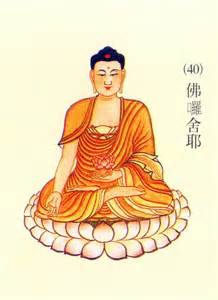
[font=標楷體]化度耶舍[/font]
[font=標楷體][font=標楷體]耶舍[/font]是摩竭陀國一個富商的年輕兒子。雖然他在物質生活上非常豐足,但奢侈放縱的生活方式,使他感到厭倦,心靈上覺得非常空虛。一夜,笙歌酒宴之後,他感到異常苦悶,獨個兒闖進了鹿野苑的森林裏徘徊。剛巧佛陀也在那裏禪坐,聽到有人嗟嘆苦惱,於是便與他傾談起來。[/font]
[font=標楷體][/font]
[font=標楷體][font=標楷體]佛陀為耶舍講解布施、持戒和生天等理論,又給他解釋為何欲樂是痛苦的根源。耶舍聽後,明白了因果和無常的道理,頓時感到一片清涼,悶氣全消,心中也安穩過來。接著,佛陀又給他講說四聖諦,令他得開法眼,成就初果。耶舍喜獲法益,決定出家以能追隨佛陀,而耶舍的父親,也因為這個機緣,得聞佛法,成為佛陀的第一個在家弟子。[/font][/font]
[font=標楷體][font=標楷體][/font][/font]
[font=標楷體]化三迦葉[/font]
[font=標楷體][font=標楷體]在摩竭陀國眾多的外道之中,拜火教的迦葉兄弟在當時備受尊崇,尤以優樓頻羅迦葉最負盛名,有五百徒眾之多。一次,佛陀前往拜訪他,並在他那裏暫時住下來,與他互相切磋論道。最後,優樓頻羅迦葉被佛陀的精妙見解說服,得以破除執迷妄見。佛陀講解的法理,更令他五體投地,促使他帶領五百弟子追隨佛陀出家修學。他的兩位兄弟知道後,也都帶同他們的弟子,一起轉投佛陀門下,成為他的弟子。摩竭陀人民對佛陀的信心,也因此而大大增加起來。[/font][/font]
[font=標楷體][font=標楷體][/font][/font]
[font=標楷體]度頻婆娑羅王[/font]
[font=標楷體][font=標楷體]佛陀並沒有忘記他最初修道時給頻婆娑羅王的承諾。於是,他便專意前往王舍城見頻婆娑羅王,給他講說他已證悟了的解脫之道。聽過有關無常、無我和緣起之法,頻婆娑羅王欣喜不已,聯同一眾大臣皈依三寶,並捐出竹林,興建寺院。這所竹林精舍,便成了第一所佛教寺院,而大王的化度,更使佛教的聲譽提昇,遠播四方。[/font][/font]
[font=標楷體][font=標楷體][/font][/font]
[font=標楷體]舍利弗的得度[/font]
[font=標楷體][font=標楷體]舍利弗[/font]和目犍連,是王舍城著名的外道弟子。他們聰明豁達,非常受人尊重。他們又是很要好的朋友,彼此互相承諾,誰先證得解脫之道,都必須要告訴對方。[/font]
[font=標楷體][font=標楷體]一天,舍利弗在路上遇到馬勝比丘,被他高雅不凡的儀容所攝。於是,舍利弗便上前問比丘的導師是誰,馬勝比丘告訴舍利弗他的導師是佛陀。但當舍利弗繼續追問有關佛陀的教理時,馬勝比丘則只說了一首偈語作答。他說:「諸法因緣生,亦從因緣滅。我佛大沙門,常作如是說。」[/font][/font]
[font=標楷體][font=標楷體]舍利弗[/font]聽後,當下便得開法眼。他立刻通知好友目犍連,然後一起前往求見佛陀,成為他的弟子。他倆不久之後便證得聖果,並且成了佛陀日後得力的大弟子。[/font]
[font=標楷體][/font]
[font=標楷體]佛陀入滅與最後遺教[/font]
[font=標楷體][font=標楷體]佛陀八十歲示滅,在拘尸那城外的娑羅樹林中雙樹之間入大涅槃。在這之前三個月,佛陀早已預先告訴他的弟子他將會入滅,並不斷作出最後的教誨,希望他們能夠超脫生死,同時又能弘傳佛法。[/font][/font]
[font=標楷體][font=標楷體]佛陀囑咐弟子要在修行上精進不懈,以戒為師,實修親證。他提醒弟子要依靠自己,以自己為明燈。只要他們以正法為憑,便不會墮入邪見之中。他重覆叮囑弟子要實踐四念住以去除貪愛和欲念,又叫他們謹記以苦、空、無常、無我為教理之本。他告訴弟子要依照他的教誨修行,以能出離生死輪迴之苦。佛陀又寄望他的弟子日後能把佛法弘揚,以使所有的眾生都能得到解脫。[/font][/font][ 本帖最後由 宏泓道者 於 2013-5-11 12:37 AM 編輯 ]
-
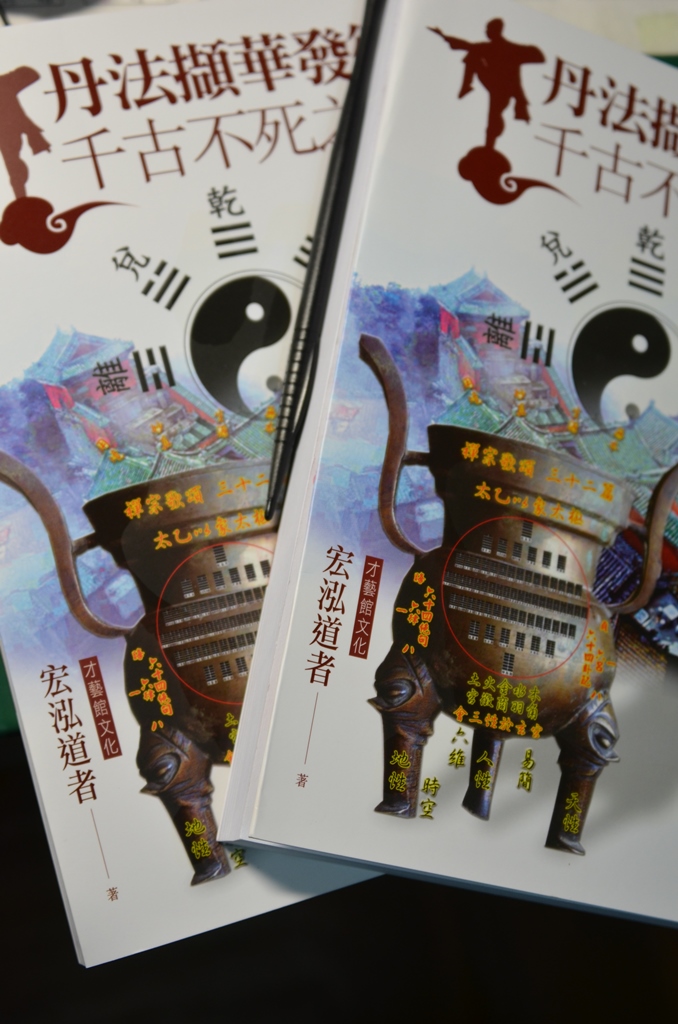
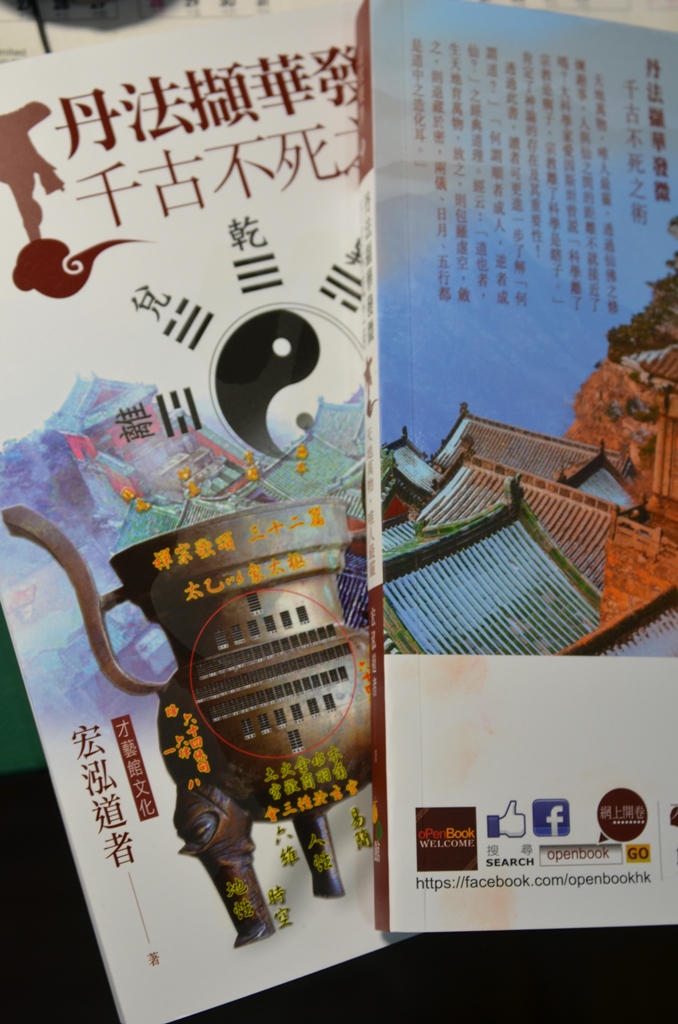
丹法擷華發微-千古不死之術已出版
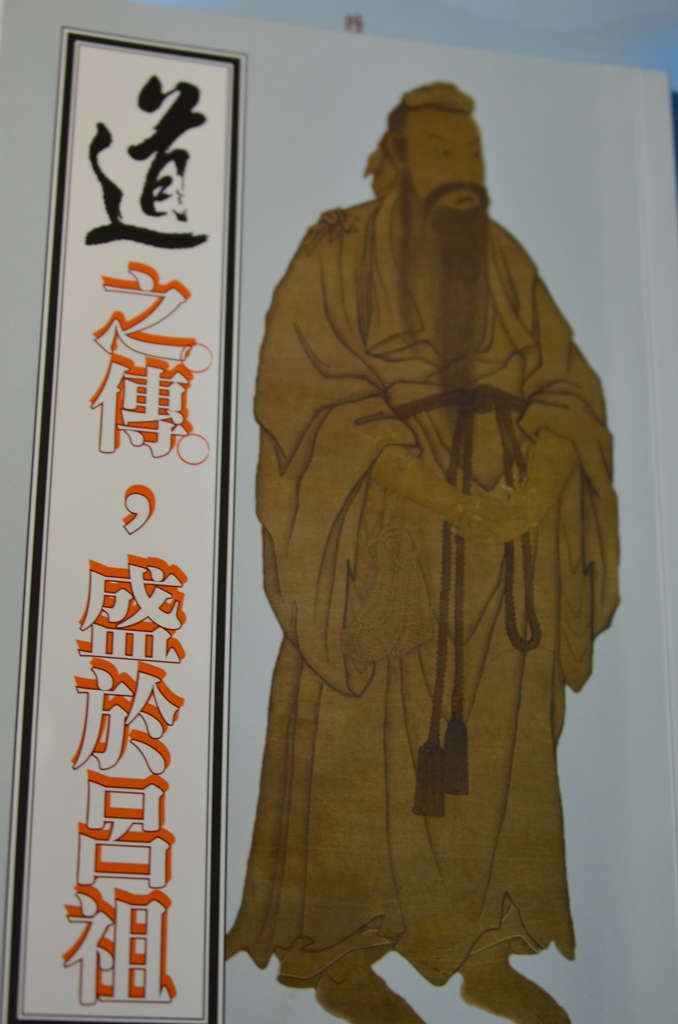
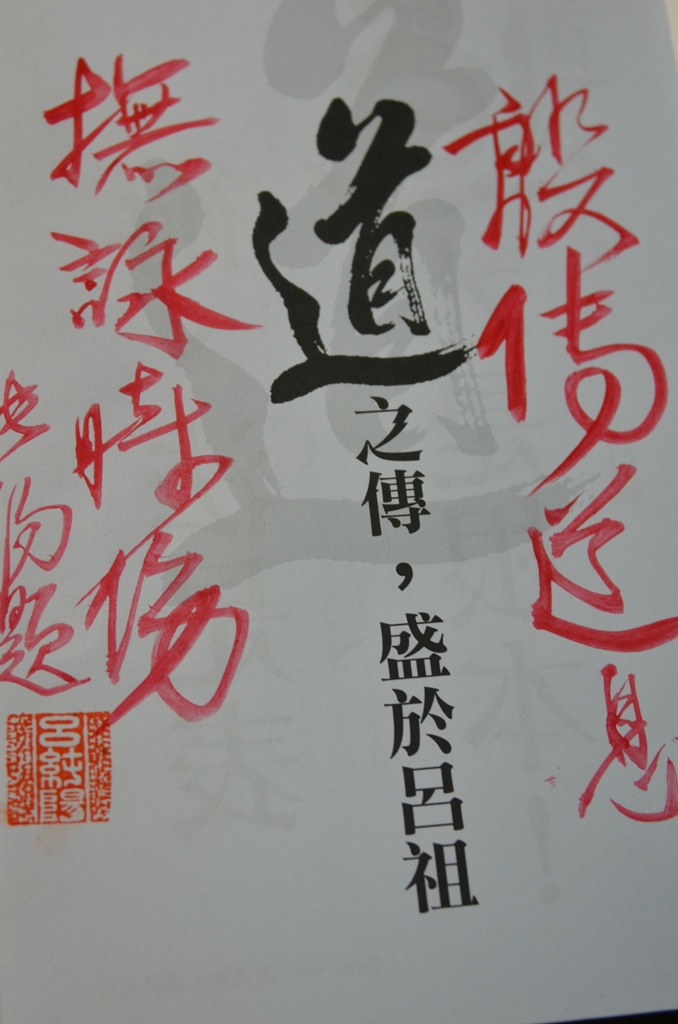
新書「丹法」及義書「道之傳」呈上。叩請師留筆。書風展玄息
字句含聖機
能洒末世霖
使得真音備兩書皆顯真道之至理丹法之擷華而撫詠時傷也。撥雲開月,啟扉登堂一踁之指者,不可謂修道無憑矣,願有緣人能嚼髓知味焉!故雅題筆以惠廣傳之功。
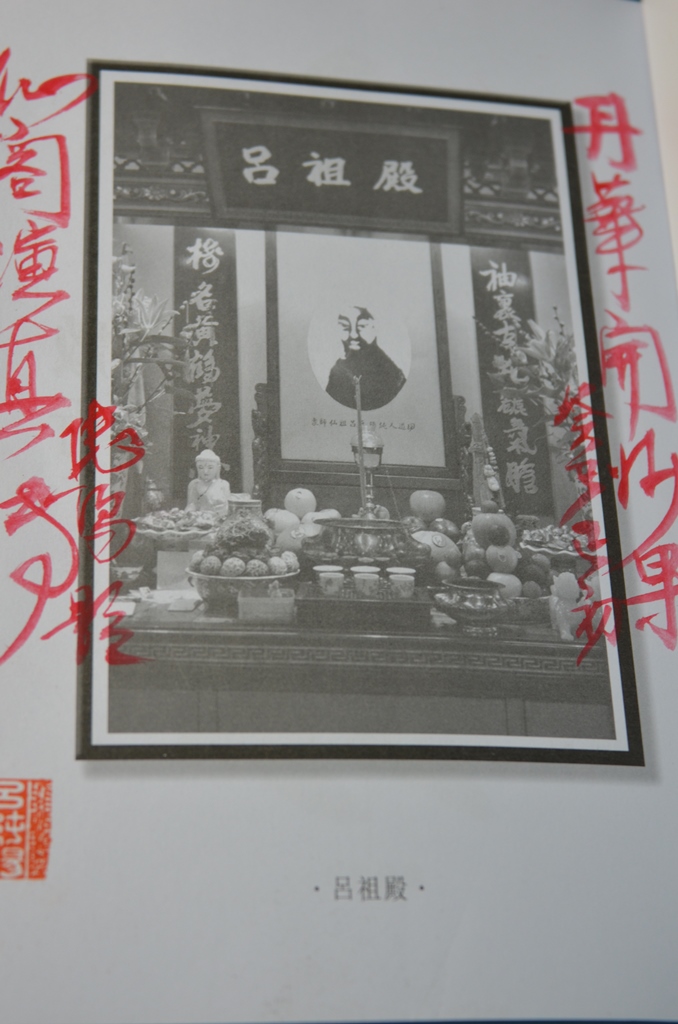
呂祖仙師降示[ 本帖最後由 宏泓道者 於 2013-5-3 12:16 AM 編輯 ]
-
第二十二章
唯天下至誠, 為能盡其性; 能盡其性, 則能盡人之性; 能盡人之性, 則能盡物之性; 能盡物之性, 則可以贊天地之化育; 可以贊天地之化育, 則可以與天地參矣。【今譯】
只有天下最真誠的人, 才能夠完全發揮個人的本性; 能夠完全發揮個人的本性, 就能夠完全發揮眾人的本性; 能夠完全發揮眾人的本性, 就能夠完全發揮萬物的本性; 能夠完全發揮萬物的本性, 就能夠幫助天地養育萬物; 能夠幫助天地養育萬物, 也就能夠與天地相並列了。[font=SimSun](22) [/font][font=SimSun] [/font] [font=SimSun]Only the saint who is the most honest can develop his individuality to perfection; when his individuality fully developed, he can bring potentiality of the masses into full play in accordance with their inherent qualities; when the potentialities of the masses fully tapped, he can make the most of everything under heaven in accordance with their properties; when everything under heaven fully wielded, he can help the Heaven and the Earth grow and nourish everything; when everything is make to grow and nourish, he can stand side by side with the Heaven and the Earth. [/font][font=SimSun] [/font]
第二十三章[size=14pt][/size]
其次致曲, 曲能有誠; 誠則形, 形則著, 著則明, 明則動, 動則變, 變則化; 唯天下至誠為能化。【今譯】
次一等的人則能從局部小事做起。從局部小事做起也能做到內心誠實。做到內心誠實就會表現出來, 表現出來就會變清楚, 變清楚就會光煇明亮, 光煇明亮就會激勵人心, 激勵人心就會改變人心, 改變人心就會移風易俗, 只有天下最誠實的人才能做到移風易俗。[font=SimSun](23) Those who are second to the saint, though engaged in activities of minor importance, can also attain innermost honesty. When one is honest in his innermost being, he is bound to demonstrate his honesty. Honesty when demonstrated will illuminate and shine bright, then strike the hearts of the people, and remo[/font][font=SimSun]u[/font][font=SimSun]ld[/font][font=SimSun]their mind. When it remould people’s mind, it transforms the prevailing habits and customs. This task can only be fulfilled by the most honest. [/font][font=SimSun] [/font]
第二十四章[size=14pt][/size]
至誠之道, 可以前知 :國家將興, 必有禎祥; 國家將亡, 必有妖孽; 見乎蓍龜, 動乎四體; 禍福將至, 善, 必先知之, 不善, 必先知之; 故至誠如神。【今譯】
做到極端誠實, 可以預知未來。國家將要振興的時候, 一定會有吉祥的徵兆; 國家將要滅亡的時候, 一定會有不祥的徵兆。這些徵兆會在蓍草龜甲上表現出來, 在四肢動作上反映出來。禍福將要降臨時, 好事一定會預先知道, 壞事也一定會預先知道。所以, 做到極端誠實就會如同神靈一般。[font=SimSun](24) When one is extremely honest, he foresees things to happen. Auspicious omens are seen when the country is going to prosper, and portentous omens are seen when the country is going to decline. [/font] [font=SimSun]Such omens appear on the divinatory herbs and tortoiseshells, and reflect in how the related persons move their four limbs. When a misfortune or a good luck is to befall, what will turn out to be good is foreknown, and so is what will turn out to be bad. Therefore, the extremely honest ca n be compared to supernatural beings. [/font]
[font=SimSun] [/font]
第二十五章[size=14pt][/size]
誠者, 自成也; 而道, 自道也。誠者, 物之終始 :不誠, 無物。是故, 君子誠之為貴。誠者, 非自成己而已也, 所以成物也。成己, 仁也; 成物, 知也; 性之德也, 合外內之道也, 故時措之宜也。【今譯】
所謂誠, 就是己成就自己; 所謂道, 就是自己引導自己。誠實貫穿事物的始終。沒有誠實就沒有萬事萬物。所以, 有良好品德修養的人把誠實看得特別寶貴。誠實, 並不是自己成就自己就算了的, 還要用來成就萬物。成就自己, 這是仁; 成就萬事, 這是智。這種出自本性的德性, 符合天地內外的規律, 因而在任何時候加以實施都是適宜的。[font=SimSun](25)[/font][font=SimSun] [/font][font=SimSun] Honesty is the way by which one can consummate himself; doctrine is the way by which one guides himself. Honesty underlies everything, from its beginning to its end. Without honesty, there can exist nothing. Therefore, a man of fine cultivation values honesty most. By honesty, one can consummate more than himself, he can consummate everything. To consummate oneself is benevolence, to consummate everything is sagacity. This virtue, resulting from one’s natural instinct, accords with the law existing in and outside of the universe, so it is appropriate to pursue it at all times.[/font][font=SimSun][/font]
第二十六章[size=14pt][/size]
故至誠無息; 不息則久。久則徵, 徵則悠遠, 悠遠則博厚, 博厚則高明。博厚所以載物也, 高明所以覆物也, 悠久所以成物也。博厚配地, 高明配天, 悠久無疆。如此者, 不見而章, 不動而變, 無為而成。
【今譯】
所以, 極端誠實的品德是無止境的。無止境, 就能持久; 持久, 就能有效驗; 有效驗, 就能傳之悠遠; 傳之悠遠, 就能廣博深厚; 廣博深厚, 就能高大光明。廣博深厚, 能夠承載萬物; 高大光明, 能夠覆蓋萬物; 悠遠長久, 能夠造就萬物。廣博深厚, 可以與地比匹; 高大光明, 可以與天比匹; 悠遠長久, 則可以無止境。這樣一來, 不用顯示也能彰明昭著, 不用動作也能變化萬物, 沒有作為也能自然成功。
天地之道, 可一言而盡也 :〔其為物不貳, 則其生物不測。〕天地之道 :博也, 厚也, 高也, 明也, 悠也, 久也。今夫天, 斯昭昭之多, 及其無窮也, 日月星辰繫焉, 物覆焉。今天地, 一撮土之多; 及其廣厚, 載華嶽而不重, 振河海而不洩, 萬物載焉。今夫山, 一卷石之多, 及其廣大, 草木生之, 禽獸居之, 寶藏興焉。今夫水, 一勺之多, 及其不測, 黿鼉蛟龍魚鼈生焉, 貨財殖焉。
【今譯】
天地的規律, 可以用一句話說盡, 由於它自身專誠不貳, 所以它造就萬物也就奧妙無窮。天地的規律實在是廣博啊, 厚啊, 高大啊, 光明啊, 悠遠啊, 長久啊。現在且說天吧, 那不過是一小片一小片光明聚成的; 到了無窮無盡的程度, 日月星辰懸掛在它上面, 萬物都覆蓋在它下面。說到地, 它不過是一小把一小把泥土聚成的; 到了寬廣深厚的程度, 負載着西嶽華山也不感到重, 容納了黃河大海也不會洩漏, 物都負擔在它身。再說山, 它不過是拳頭大拳頭大的石塊聚成的; 到了廣濶巨大的程度, 草木生長在上面, 禽獸居住在上面, 寶藏也能從那裏挖掘出來, 至於水, 它不過是一勺一勺的水聚成的; 到了深不可測的程度, 黿鼉蛟龍魚鼈生 長在那裏, 貨物財富也從那裏產生出來。
詩云 :〔維天之命, 於穆不已。〕 蓋曰天之所以為天也。〔於乎不顯, 文王之德之純。〕蓋曰文王之所以為文也, 純亦不已。【今譯】
《詩經》上說:〔上天之道, 完美偉大而永無休止啊!〕 這便是說天所以成其為天的道理。又說 :〔多麼光明啊, 周文王的品德是這樣的純正無瑕!〕 這便是說周文王所以得謚號為 〔文〕 的緣故。周文王品德的純正無瑕也如同天道那樣永無休止。[font=SimSun](26) The virtue of extreme honesty never ceases to exist. As it never ceases to exist, it is lasting; as it is lasting, it is efficacious; as it is efficacious, it is to be handed down to distant future; as it is to be handed down to distant future, it is extensive and deep; as it is extensive and deep, it is lofty and bright. It is extensive and deep, so it bears all things under heaven; it is loftly and bright, so it covers all things under heaven; it is permanent, so it brings up all things under heaven. It is so extensive and deep that it matches the earth; so lofty and bright that it matches the heaven; so permanent that it will last for ever. Thus, without making a show, it is clear for all to see; without making a movement, it transforms all things; without making an effort, it succeeds in doing anything.[/font]
[font=SimSun]The way of the universe can be described in a single sentence: as it is constant to taking honesty as the only proper course, its way of bringing up all things is extremely subtle. The way of the universe is extensive, deep, lofty, bright, permanent and everlasting. The heaven is no more than an amassment of pieces of brightness, but, at its infinitude, it holds the sun, the moon and all stars above, and covers all things beneath. The earth is no more than an amassment of handfuls of soil, but, at its vastness, it bears Mount Huashan, the Western Sacred Mountain without strenuosity, contains the Yellow River and the sea without discharging, and carries all things. The mountain is no more than an amassment of pieces of stones, but, at its immensity, plants grow thereon, animals live thereon and precious mineral deposits can be unearthed therein. The sea is no more than an amassment of spoonfuls of water, but, in its recesses, different kinds of turtles, alligators[/font][font=SimSun],[/font][font=SimSun] dragons and fishes live therein and various resources are produced therefrom. [/font]
[font=SimSun]It is said in the Book of Songs: “The way of the Heaven is perfect and endless.” That explains the way how the Heaven is. It is said again: “How glorious the pure character of King Wen is!” That explains the reason why he was conferred the posthumous title of “Wen” which means refined. The impeccability of his character will shine as endlessly as the way of the Heaven.[/font][font=SimSun][/font]
第二十七章[size=14pt][/size]
大哉!聖人之道!洋洋乎, 發育萬物, 峻極於天。優優大哉!禮儀三百, 威儀三千, 待其人而後行。故曰 :〔苟不至德, 至道不凝焉〕。故君子尊德性而道問學, 致廣大而盡精微, 極高明而道中庸。溫故而知新, 敦厚以崇禮。是故, 居上不驕, 為下不倍。國有道, 其言足以興; 國無道, 其默足以容。詩曰 :〔[font=SimSun]旣[/font]明且哲, 以保其身〕, 其此之謂與!【今譯】
聖人處世立身的原則真是偉大啊!真是浩蕩無邊啊!它養育萬物, 和天一樣崇高。它是多麼寬和偉大啊!規定的禮儀有三百條, 規定的威儀有三千條。一定要等到聖人出現以後才能實行。所以說, 如果不是在最好德行的人, 最偉大的處世法則是不能形成的。因此, 有道德的人尊崇德行品性, 進行詢問學習, 做到既博大又十分精細透徹, 逹到極其崇高、極其光明的境界, 遵循不偏不倚, 無過無不及的中庸之道; 温習舊的學問, 認識新的道理, 品性敦厚, 崇尚禮制。因而能做到居處上位時不驕橫, 居處下位時不背叛; 國家政治清明的時候就發表政見, 足可以得到任用, 國家政治黑暗的時候就沉默不語, 也足能夠借以容身。《詩經》裏說:〔既明達又智慧, 以此來保全自身。〕大概就是說的這個意思吧![font=SimSun] (27) How great the saint’s way of conducting himself is. It is so mighty that it may make all things flourish, and as sublime as the heaven. [/font][font=SimSun]The range it covers is so wide that it includes three hundred items of ceremonials and three thousand items of manners. These prevail only after the advent of the saint. The greatest way of conducting oneself can not be formed without the man of highest morality. Therefore, a man of high morality values one’s virtue, and is diligent in learning, so he has both extensive knowledge and profound scholarship; he attains the most sublime and brilliant realm of thought by following he unbiased doctrine of the mean; he gains new insights through reviewing what he had learnt; he is honest and sincere and observant of etiquettes. Hence, he is not imperious when he is in a superior position, and does not deviate from his way when he is in an inferior position; he expresses his political views to obtain appointment to an office when the state is properly run, he remains silent to be tolerable when the rule is dark. That means the same as is said in the Book of Songs: “Be worldly wise and play safe.” [/font] [font=SimSun][/font]
第二十八章[size=14pt][/size]
子曰 :〔愚而好自用; 賤而好自專; 生乎今之世, 反古之道; 如此者, [font=SimSun]烖[/font]及其身者也。〕【今譯】
孔子說 :〔愚笨却喜歡自以為是, 卑賤却喜歡獨專行, 生活在當今的社會却要恢復古代的做法, 這樣的人, 災禍就會落到他身上。〕
非天子不議禮, 不制度, 不考文。今天下, 車同軌, 書同文, 行同倫。雖有其位, 苟無其德, 不敢作禮樂焉; 雖有其德, 苟無其位, 亦不敢作禮樂焉。【今譯】
如果不是天子, 就不要議訂禮儀, 不要創立法度, 不要考核文字。現在, 天下車子兩輪間的距離相同, 書寫的文字相同, 行為上道德規範相同。卽便有天子的地位, 但如果沒有極好的品德, 就不敢制訂禮樂制度; 卽便有極好的品德, 但如果沒有天子的地位, 那也不敢制訂禮樂制度。
子曰 :〔吾說夏禮, 杞不足徵也; 吾學殷禮, 有宋存焉; 吾學周禮, 今用之, 吾從周。〕【今譯】
孔子說 :〔我能解說夏代的禮, 但它的後代杞國所行的禮制不足以作證明; 我學習殷代的禮, 有它的後代宋國保存着這些禮制; 我學習周代的禮, 現在實行它, 我遵從周禮。〕[font=SimSun](28)[/font][font=SimSun] [/font][font=SimSun] Said Confucius: “Calamity is imminent to the one who is ignorant but selfwilled, humble but arbitrary, lives in the present world but insists on restoring the ancient system.”[/font]
[font=SimSun]One who is not the son of Heaven should not lay down rites, nor should he make laws and moral standards, nor should he study and examine the commonly used characters. At presents, people have the same vehicle gauges, use the same characters and pursue the same ethical code. If one has the status of the son of Heaven, but lacks high morality, he dares not to draw up the ritual and musical systems; if one has high morality, but lacks the status of the son of Heaven, he dares not to draw up the ritual of musical systems.[/font][font=SimSun][/font]
[font=SimSun]Said Confucius:“I can interpret the rites of the Xia Dynasty, but [/font] [font=SimSun]the [/font] [font=SimSun]rites of its descendant state of Qi were not exemplary; I study the rites of the Yin Dynasty which were maintained by its descendant state of Song; I study the rites of the Zhou Dynasty which are practiced today, and of which I am observant.” [/font] [font=SimSun][/font]
[size=14pt] [/size]
[size=14pt] [/size]
[size=14pt] [/size]
第二十九章[size=14pt][/size]
王天下有三重焉, 其寡過矣乎!上焉者, 雖善無徵, 無徵不信, 不信民弗從。下焉者, 雖善不尊, 不尊不信, 不信民弗從。故君子之道, 本諸身, 徵諸庶民, 考諸三王而不繆, 建諸天地而不悖, 質諸鬼神而無疑, 百世以俟聖人而不惑。質諸鬼神而無疑, 知天也; 百世以俟聖人而不惑, 知人也。是故, 君子動而世為天下道, 行而世為天下法, 言而世為天下則; 遠之則有望, 近之則不厭。【今譯】
統治天下有議訂禮儀、創立法度、考核文字這三件重要的事情要做, 能做好這三件事, 大概就很少會有過錯了吧!在上位的人, 雖然他確定的行為準則很好, 但是却沒有得到徵驗; 沒有得到徵驗, 人民就不相信; 人民不相信, 也就不會遵從。在下位的人, 雖然他確定的行為準則很好, 但是他的地位又不尊貴; 地位不尊貴, 人民就不相信; 人民不相信, 也就不會遵從。所以統治天下的人, 他確立行為準則必須先以自身為依據, 再從人民那裏得到徵驗, 對照查考夏周三代先王而沒有錯誤, 樹立在天地之間而不違背常理, 求正於鬼神而沒有疑惑, 待到百代之後聖人出現也不會有疑問。求正於鬼神而沒有疑惑, 這是知道了天意; 百代以後聖人出現也不會有疑問, 這是掌握了人情。所以, 統治天下的人, 他的舉動可以世世代代為天下人所遵循, 他的行為可以世世代代為天下人的法度, 他的言論可以世世代代為天下人的準則。離他遠的時候, 瞻仰崇敬他; 靠他近的時候, 也不厭煩他。
詩曰 :〔在彼無惡, 在此無射; 庶幾夙夜, 以永終譽〕。君子未有不如此, 而蚤有譽於天下者也。【今譯】
《詩經》上說:〔在那裏, 沒有人厭惡; 在這兒, 沒有人嫌棄。幾乎是日夜努力, 以便永遠保持自己的榮譽。〕 作為一個統治天下的人, 如果不這樣去做, 就不可能早早地在天下享有美譽。[font=SimSun](29) To lay down rites, to make laws and to examine characters are the important contents of ruling over a country. There will be few faults upon the completion of the triplex. Good as the ethical code set by the great kings of past dynasties, it is not verifiable today; people do not believe it, and, consequently, do not observe it. Good as the ethical code set by the saint is, his political status is not very high; people do not believe it, and consequently, do not observe it. Therefore, when the ruler of a country sets an ethical code, he must earnestly practice it first, then verify it through people’s practice, and measure it by the standards of the kings of the Xia Shang and Zhou Dynasties to see that it is faultless, that it will not go against the normality in the universe, that it will not arouse suspicion when asking for advices from the supernatural beings, that it will not be questionable at the advent of another saint after one hundred generations. That it will arouse no suspicion when asking for advices from the supernatural beings shows that the ruler is aware of the will of the Heaven; that it will not be questionable at the advent of another saint after one hundred generations shows that the ruler realizes the human feelings. So the ruler’s activities will be followed as examples by the succeeding generations, his conduct will set up standards for the succeeding generations, and his expressed opinions on public affairs will be regarded as criteria by the succeeding generations. People of the distant future will respect him, and his contemporaries never detest him.[/font][font=SimSun][/font]
[font=SimSun] It is said in the Book of Songs:“There, no one abhors him, here, no one cold-shoulders him. He works hard day and night to preserve his repute for long.” A ruler failing to do so is not likely to win early the great renown in the country. [/font] [font=SimSun][/font]
第三十章[size=14pt][/size]
仲尼祖述堯舜, 憲章文武; 上律天時, 下襲水土。辟如天地之無不載, 無不覆幬; 辟如四時之錯行, 如日月之代明。萬物並育而不相害, 道並行而不相悖。小德川流, 大德敦化。此天地之所以為大也。【今譯】
孔子效法唐堯、虞舜, 以周文王、周武王為典範, 上順天時變化, 下順風土人情。就好比天地那樣, 沒有什麼不被它負載着, 沒有什麼不被它覆蓋着; 就如同四時更迭變化, 就如同日月鐜替明亮。萬物一起生長却不相互損害, 各種規律同時並行而不彼此違背。小的德行, 如同山川流水浸潤萬物; 大的德行, 使萬物純厚敦實, 這就是天地所以偉大的道理。[font=SimSun] [/font][font=SimSun](30) Confucius followed the examples of Yao and Shun, the ancient sages, and modeled himself on King Wen and King Wu, the saint monarchs; he complied with the change of times, and conformed to the natural conditions and social customs. His virtue is analogous to the universe which bears all things and covers all things; and, is as natural as the change of seasons or the alternating shining of the sun and the moon. All things exist together but never harm each other; all ways function together but never go against each other. Virtues of minor significance are like rivers nourishing things in their valleys; virtues of major significance are basics nourishing all things. That describes the mightiness of the universe.[/font][font=SimSun][/font]
第三十一章[size=14pt][/size]
唯天下至聖, 為能聰明睿知。足以有臨也; 寛裕溫柔, 足以有容也; 發強剛毅, 足以有執也; 齋莊中正, 足有敬也; 文理密察, 足以有別也。
【今譯】
只有天下最聖明的人, 能夠做到聰明智慧, 足可以君臨天下; 能夠做到寛宏大度、溫和柔順, 足可以包容萬物; 能夠做到奮發頑强、剛毅果敢, 足可以決斷大事; 能夠做到敬肅莊重、正直無邪, 足可以贏得尊敬; 能夠做到有文彩有條理、精密詳明, 足可以辨別是非。溥博淵泉, 而時出之。溥博如天, 淵泉如淵。見而民莫不敬, 言而民莫不信, 行而民莫不說。是以聲名洋溢乎中國, 施及蠻貊, 舟車所至, 人力所通, 天之所覆, 地之所載, 日月所照, 霜露所隊, 凡有血氣者, 莫不尊親, 故曰配天。
【今譯】
他的美德廣博幽深, 並時時表現出來。像天一樣寬廣博大, 像淵一樣水深流長。表現出的舉止, 人民沒有不尊敬的; 說出來的話, 人民沒有不相信的; 做出來的事, 人民沒有不喜悅的。因此, 他的好名聲傳遍了全中國, 一直傳到四境邊遠地區。凡是車船能夠到達的地方, 人力所能交往的地方, 天所覆蓋的地方, 地所負載的地方, 日月所照耀的地方, 霜露所降落的地方, 凡是有血氣的生物, 沒有不尊敬他、親近他的, 所以說他能夠與天地相比匹。[font=SimSun](31) Only the saint can be wise and erudite enough to reign over the country; magnanimous and mild enough to embrace all things; tenacious and resolute enough to decide upon major issues; solemn and just enough to win respects from others; and make his writings rich, well-organized and accurate enough to distinguish the right from the wrong. His virtue is extensive and deep, and manifests itself at all times. It is as extensive as the heaven, as deep as the abyss. All the people can not but honor his conduct, all the people can not but believe in what he says and all the people can not but delight at what he does. His good repute spreads far and wide in the country, into the outlying districts. In places where vehicles and boats go and humans travel, in places under the heaven and on the earth, in places with shines of the sun and the moon, and moistened by frost and dew, all the courageous and upright esteem and keep themselves close to him. Therefore he can be matched with the heaven and the earth. [/font][font=SimSun] [/font]
第三十二章[size=14pt][/size]
唯天下至誠, 為能經綸天下之大經, 立天下之大本, 知天地之化育。夫焉有所倚? 肫肫其仁, 淵淵其淵, 浩浩其天。苟不固聰明聖知達天德者, 其孰能知之?【今譯】
只有天下最誠實的人, 能夠統理天下根本大法, 樹立天下根本大德, 明瞭天地生成變化。難道是他另有什麼倚賴嗎? 只是因為他有真摯懇誠的仁厚!就像淵一樣幽深, 就像天一樣廣闊!如果不是確實聰明聖達、具備天下大德的人, 怎麼能明白這一切呢?[font=SimSun] [/font][font=SimSun](32) Only the most honest can uphold the fundamental human relations in the country, exemplify and foster the fundamental virtue in the country, and understand the growth and development of the universe. What does he rely on when doing such? It is merely due to his sincere and earnest benevolence which is as deep as the abyss[/font][font=SimSun], [/font][font=SimSun]as vast as the heaven. Save the one with genuine omniscience and consummate virtue, how could anyone else understand all this?[/font]
第三十三章[size=14pt][/size]
詩曰 :〔衣錦尚絅, 〕 惡其文之著也。故君子之道, 闇然而日章; 小人之道, 的然而日亡。君子之道, 淡而不厭, 簡而文, 溫而理; 知遠之近, 知風之自, 知微之顯, 可與入德矣。
【今譯】
《詩經》上說:〔身穿錦服又加罩衫〕, 這是因為討厭那錦繡文彩太顯眼。所以, 品德高尚的人, 他的為人之道是力圖隱蔽不露, 但結果却使美德日益昭彰; 品德低下的人, 他的為人之道是竭力求得表面上品德昭著, 但結果却日漸消亡。品德高尚的人, 他的為人之道是 :平淡却不令人厭煩, 簡樸却有文彩, 温和而有條理; 見彼而知此, 見外而知內, 見微而知著, 能做到這一步, 便可以跨人道德之門了。
詩云 :〔潛雖伏矣; 亦孔之昭。〕 故君子內省不疚, 無惡於志。君子之所不可及者, 其唯人之所不見乎!
【今譯】
《詩經》上說:〔魚兒潛水藏得深, 人們還是看得清。〕 所以品德高尚的人, 自我反省而沒有什麼使他感到不安的, 沒有什麼玷污他的志向的。別人趕不上品德高尚者的地方, 大概只是他們在吃人看不見的時候夠謹慎小心吧!
詩云 :〔相在爾室, 尚不愧于屋漏。〕故君子不動而敬, 不言而信。
【今譯】
《詩經》上說:〔看你深居房間中, 也應慎獨無愧心。〕所以品德高尚的人, 他卽使沒有任何舉動, 表現也是恭敬的; 卽使不說話, 內心也是誠實的。
詩曰 :〔奏假無言, 時靡有爭。〕是故君子不賞而民勸, 不怒而民威於鈇鉞。
【今譯】
《詩經》上說:〔默默進獻, 沒有爭執。〕所以, 居統治地位的人, 不用賞賜, 人民也能盡力; 不用發怒, 人民比用刀斧刑罰還感到恐懼。
詩曰 :〔不顯惟德, 百辟其刑之。〕是故君子篤恭而天下平。
【今譯】
《詩經》上說:〔赫赫美德大發揚, 百國諸侯齊效仿。〕居統治地位的人敦厚恭,敬天下就會太平。
詩云 :〔予懷明德, 不大聲以色。〕 子曰 :〔聲色之於以化民, 末也。〕 詩曰 :〔德輶如毛。〕 毛猶有倫。〔上天之載, 無聲無臭。〕 至矣。【今譯】
《詩經》上說:〔我懷有好的品德, 就不用厲聲厲色。〕孔子說 :〔靠厲聲厲色去改造人民, 那是末等的本領。〕 《詩經》上說:〔德行感化, 輕便如毛〕, 那毛雖是輕小細微, 但還是有東西可以與它相比, 而 〔上天辦事真微妙, 無聲無味靜悄悄〕, 真是到了至高無上的境界了[/font][font=SimSun] [/font][font=SimSun]It is said in the Book of Songs:“Cover your brocaded robe with an overall.” This shows the disgust at the conspicuous garishness. A man of noble character is under no circumstances given to showing off, but his virtue is seen increasingly clear. A man of vile character strives to make himself well reputed, which only makes himself increasingly flagrant. The way the man of noble character conducts himself is flat, but not boring; plain, but graceful; mild, but orderly; and he sees another point from the point in sight, sees the interior from the exterior, sees the future development from one small clue. When one conducts himself in such a way, he crosses the threshold of high morality. [/font] [font=SimSun][/font]
[font=SimSun]It is said in the Book of Songs:“Hidden deep in water, fish are still seeable.” When a man of noble character introspects, he has nothing to regret, and finds nothing tarnishing his aspirations. What a man of noble character outweighs others is that he is always circumspect, even when he is out of sight of anyone else.[/font]
[font=SimSun]It is said in the Book of Songs:“When you are alone in your room, still you should do nothing that will bring qualms upon self-examination.” A man of noble character is always respectable, even when he is not doing anything, and always sincere, even when he is not saying anything.[/font]
[font=SimSun]It is said in the Book of Songs:Making efforts quietly causes no trouble.” So, the ruler of a country should make his people do all they can, even if without granting them rewards, and keep them in greater awe than by punishment, even if without showing them his indignation.[/font][font=SimSun][/font]
[font=SimSun] It is said in the Book of Songs:“When the monarch displays his virtue, all the feudal dukes and princes will follow his example.” Peace will reign under heaven if the man who rules the country is honest, sincere and deferential.[/font][font=SimSun][/font]
[font=SimSun] It is said in the Book of Songs:“With noble character, I need not to be stern in voice and countenance.” Said Confucius:“It is least desirable to cultivate people through stern voice and countenance.” It is said in the Book of Songs:“To cultivate people by one’s virtue is as light as to raise a feather.” Light and minute as the feather is, it has its comparatives; but “the Heaven performs everything soundlessly and tracelessly”[/font][font=SimSun] ─[/font][font=SimSun]it accomplishes the supreme good.[/font] -
第十二章[size=14pt][/size]君子之道, 費而隱。夫婦之愚, 可以與知焉; 及其至也, 雖聖人亦有所不知焉。夫婦之不肖, 可以能行焉; 及其至也, 雖聖人亦有所不能焉。天地之大也, 人猶有所憾。故君子語大, 天下莫能載焉; 語小, 天下莫能破焉。詩云 :〔鳶飛戾天, 魚躍于淵。〕 言其上下察也。君子之道, 造端乎夫婦, 及其至也, 察乎天地。
【今譯】
品德高尚的人所奉行的處世準則, 既普遍又深刻。一般道理, 連愚笨的男男女女也可以了解; 到高深精妙的地方, 卽使聖人也不能完全明白。一般準則, 連不賢明的男男女女也能夠做到; 到高深精妙的地方, 卽使聖人也有做不到的。天地如此之偉大, 人們尚且還有不滿意的地方。因此, 品德高尚的人說到道的博大, 博大到天下簡直無法負載得了它; 說它細微, 細微到天下沒有什麼再能夠把它分割。《詩經》上說 :〔鷂鷹飛向天空, 魚兒跳入深淵。〕 這是比喻聖人之德在天地上下都是顯明昭著的。品德高尚的人所奉行的處世準則, 起始於普通男女之間的所作所為; 到其最高深精妙之處, 則能顯赫於天地宇宙之間。[font=SimSun](12)[/font][font=SimSun] [/font][font=SimSun]The philosophy of life the men of high morality pursue is both common and profound. Its general idea is known to ignorant men and women, but its recondite quintessence is beyond the attainment of the saint. Its general standard is practicable to mediocre men and women, but its highest demand is beyond the reach of the saint. Great as the universe is, there are people who may feel discontent with it. Therefore, the virtue of a man of high morality is so vast that the universe can hardly contain it, it is also so tiny that nothing in the universe can cut it apart. It is said in The Book of Songs*:“Sparrow hawks fly up in the sky, fish swim down in the abyss.” That is by way of analogy to say that the virtue of the saint is highly clear on the earth as well as in the sky. The philosophy of life the men of high morality pursue begins in the manners of the ordinary men and women, but its superlative manifestation is illustrious in the universe. [/font]
[font=SimSun]* The Book of Songs, the earliest anthology of poems and one of the Five Classics.[/font][font=SimSun][/font]
[size=14pt] [/size]
第十三章[size=14pt][/size]
子曰 :〔道不遠人, 人之為道而遠人, 不可以為道。詩云 :『伐柯, 伐柯, 其則不遠。』執柯以伐柯, 睨而視之, 猶以為遠。故君子以人治人, 改而止。【今譯】
孔子說 :〔中庸之道是不遠離人的。如果一個人奉行中庸之道而使它遠離了人, 那就稱不上是中庸之道了。《詩經》上說:〔隨便砍塊木頭做斧柄, 會覺得那尺寸相差不遠。〕 可是, 拿着斧柄去砍伐本頭做斧柄, 斜起眼睛仔細比照一番, 倒會覺得還是相差很遠。因此, 統治者只能根據各人的情況治理人們, 人家改正了以前的錯誤就要作罷。忠如違道不遠, 施諸己而不願, 亦勿施於人。
【今譯】
能夠做到竭盡心力的〔忠〕 和推己及人的 〔恕〕, 這就離中庸之道不遠了。凡是不願意別人施加于自己的行為, 也就不要施加於別人。君子之道四, 丘未能一焉。所求乎子以事父, 未能也; 所求乎臣以事君, 未能也; 所求乎弟以事兄, 未能也; 所求乎朋友先施之, 未能也。庸德之行, 庸言之謹; 有所不足, 不敢不勉; 有餘不敢盡。言顧行, 行顧言, 君子胡不慥慥爾!〕
【今譯】
品德高尚者所奉行的行為準則有四條, 我孔丘一條也沒有做得到 :
用要求人子應有的行為去侍奉父親, 我沒有做到;
用要求人臣應有的行為去侍奉君王, 我沒有做到;
用要求人弟應有的行為去侍奉兄長, 我沒有做到;
要求朋友應該做到的自己首先去做, 我沒有做到。
在遵守一般道德方面, 在普通言談的謹慎方面, 做得不夠的, 不敢不努力去做; 做得好的, 也不敢把話說盡。說話時要想到行動如何, 辦事時也要想到說過的話。這樣看來, 作為一個有道德的人, 怎麼能不忠厚老實呢?[font=SimSun](13) [/font][font=SimSun] [/font] [font=SimSun]Said Confucius:“The doctrine of the mean never distances itself from any person. If anyone[/font] [font=SimSun]pursuing the doctrine makes it unapproachable to others, then what he pursues in by no means the doctrine of the mean. It said in The Book of Songs:‘Cut a piece of wood to make a helve, you will find its size fit.’ But when you squint to compare it with the helve in your hand, you will find its size unfit. Therefore, the monarch of a country should rule over the people according to their individual conditions, and stop interfering in their conduct when their mistakes are corrected.[/font]
[font=SimSun] [/font]
[font=SimSun] “One nears the doctrine of the mean when he is faithful to and considerate of others. What you would not have others do unto you should not be done unto them.[/font]
[font=SimSun] [/font]
[font=SimSun] “The code of conduct a man of moral integrity pursues includes four requirements, but I can fulfill none: I do not wait upon my father as a son should, I do not wait upon the monarch as a subject should, I do not wait upon my elder brother as a younger brother should, I do not take the initiative to do what I demand of my friends. I dare not s top exerting myself to remedy my defects in observing moral standards and in speaking with prudence. I dare not say fine words even if I do observe moral standards and speak with prudence. Think of what you did when you speak, and think of what you said when you act. Therefore, a man of high morality should be no otherwise than honest.” [/font]
第十四章[size=14pt][/size]
君子素其位而行, 不願乎其外。素富貴, 行乎富貴; 素貧賤, 行乎貧賤; 素夷狄, 行乎夷狄; 素患難, 行乎患難。君子無入而不自得焉!【今譯】
品德高尚的人總是根據自己平常所處的地位而行動, 不願意超越本分。平常處於富貴地位的, 就做富貴地位的人應該做的; 平常處於貧賤地位的, 就做貧賤地位的人應該做的;平常處在夷狄地區的, 就做夷狄應該做的;平常處在患難境地的, 就做患難之人應該做的。品德高尚的人無論處在什麼地位, 沒有不是安分得的。在上位不陵下; 在下位不援上, 正己而不求於人, 則無怨; 上不怨天, 下不尤人, 故君子居易以俟命, 小人行險以徼幸。子曰 :〔射有似乎君子, 失諸正鵠, 反求諸其身。〕
【今譯】
處在上位, 不欺凌處於下位的人; 處在下位, 不高攀處於上位的人。端正自己的品行而不責求別人, 這樣便沒有什麼怨恨。對上不怨恨天命, 對下不歸咎別。因此, 品德高尚的人處於平安的地位等待天命, 品德低下的人行為冒險妄圖意外地獲得成功或免除不幸。孔子說 :〔射箭就像品德高尚者處事, 如果射不中靶心, 並不責怪別人, 而是回過頭來責備自己。〕[font=SimSun](14) A man of high morality acts in accordance with his status and seeks nothing beyond. If he is ordinarily wealthy and ranking, he does what a man of wealth and rand should do; if he is ordinarily straitened and humble, he does what a man of straits and humbleness should do; if he is ordinarily in the minority areas, he does what a minority should do; if he is ordinarily in adversity, he does what a man in adversity should do. A man of high morality knows and rests content with his place, whatever it may be.[/font]
[font=SimSun] [/font]
[font=SimSun] When he s superior in position, he never bullies anyone inferior to him; when he is inferior in position, he never fawns on anyone superior to him. As he corrects his own misbehavior and never makes excessive demands of others, he bears no resentment against them. He blames neither god, when looking upward, nor other people, when looking downward. Therefore, a man of noble character remains at ease in his ordinary place to wait the mandate of heaven, while a man of vile character ventures to fluke success or to avoid mishap. Said Confucius: “Shooting an arrow is analogous to a moral person’s handling affairs, if he misses the bull’s eye, he reproaches no one but himself.”[/font]
第十五章[size=14pt][/size]君子之道, 辟如行遠必自邇, 辟如登高必自卑。詩曰 :〔妻子好合, 如鼓瑟琴; 兄弟旣翕, 和樂且耽; 宜爾室家, 樂爾妻帑。〕 子曰 :〔父母其順矣乎!〕。
【今譯】
品德高尚者實踐他的行為準則, 好比走遠路, 一定要從近處啟程; 譬如登高處, 必須從低處出發。《詩經》上說:〔妻子兒女感情好, 如同琴瑟五音調。兄弟相處好親密, 和睦愉快樂陶陶。讓你家庭更美滿, 讓你妻兒歡樂多。〕 孔子說 :〔像這樣, 父母就會順心滿意了吧!〕[font=SimSun](15) A moral person’s practicing his code of conduct can be compared to taking a long journey which must start from the immediately close point, or ascending a height which must begin from the bottommost ground. [/font][font=SimSun]It is said in the Book of Songs; “Living affectionately with one’s wife and children is like playing musical instruments harmoniously. Getting along fraternally with one’s brother is highly delightful. May your family be happy. May your wife and children be joyou[/font][font=SimSun]s[/font][font=SimSun].” [/font] [font=SimSun] [/font][font=SimSun]Said Confucius: “Parents will thus be satisfied.”[/font]
[size=14pt] [/size]
第十六章[size=14pt][/size]
子曰 :〔鬼神之為德, 其盛矣乎!視之而弗見, 聽之而弗聞, 體物而不可遺。使天下之人, 齊明盛服, 以承祭祀, 洋洋乎如其上, 如在其左右。詩曰 :『神之格思, 不可度思, 矧可射思。』夫微之顯, 誠之不可揜如此夫!〕【今譯】
孔子說 :〔鬼神的德行真是偉大啊!看他看不見形體, 聽也聽不到聲音, 但又生養萬物無所遺漏, 使得天下的人都齋戒沐浴, 穿戴整齊, 舉行祭祀。靈氣浩蕩, 像在人的頭頂, 又像在人身旁。《詩經》裏說:〔神的降臨不可推測, 怎麼能夠懈怠不恭呢!〔鬼神的威力從隱微到顯著, 它的誠信就是這樣不能掩蓋啊!〕[font=SimSun](16) [/font] [font=SimSun]Said Confucius:“How mighty the virtue of the supernatural being is. Though invisible when looked at, inaudible when listened to, its omnipresence nourishes everything under heaven, so that all people in the country abstain from meat and wine, take bath and dress themselves up to offer sacrifice to it. People sense its existence as if it is above or around them. It is said in The Book of Songs:“The advent of the god is unpredictable, how can we slack our reverential awe?” The might of the supernatural being permeates things obscure and obvious, its trustworthiness is so evident that is can never be concealed by any means.”[/font]
第十七章[size=14pt][/size]
子曰 :〔舜其大孝也與!德為聖人, 尊為天子, 富有四海之內; 宗廟饗之, 子孫保之。故大德, 必得其位, 必得其祿, 必得其名, 必得其壽。故天之生物, 必因其材而篤焉, 故栽者培之, 傾者覆之。詩曰 :『嘉樂君子, 憲憲令德, 宜民宜人, 受祿于天; 保佑命之, 自天申之』, 故大德者必受命。〕【今譯】
孔子說 :〔舜可算是頂孝順的人了吧!論德行, 是聖人; 論尊貴, 是天子; 論富有, 則擁有四海之地。享受着宗廟的祭祀, 子子孫孫永遠保持祭祀不斷。因此, 凡是具有極高得的人, 一定會得到應有的尊位, 一定會得到應有的厚祿, 一定會得到應有的美名, 定會得到應有的高壽。因而上天生育萬物, 一定會根據它們各自的資質而認真處置, 可以栽培的就培育它們, 傾倒了的也就只能讓它們倒下去。《詩經》裏說:〔美善和樂周成王, 赫赫盛德放光芒; 好叫臣民俱安樂, 受祿於天能久享。上天保佑又賜命, 永葆福祿萬年長。〕所以, 凡具有極高德行的人一定會承受天做天子。[font=SimSun](17) [/font] [font=SimSun]Said Confucius:“shun may be accounted as the most filial. In view of his virtue, he was a saint. In view of the esteem he gained, he was the son ho Heaven. In view of his wealth, he possessed the whole world. He was and would ever be enshrined and offered sacrifices by posterity. So a man of consummate virtue is bound to have all he deserves, the respected status, the handsome emoluments, the good reputation and the longevity. Heaven creates all things in the universe, and handles them with measures suited to their nature ……..to cultivate the cultivable and let the toppled fall. It is said in The Book of Songs: ‘How praiseworthy and pleasant King Cheng of the Zhou Dynasty is, how glorious his merit is, he makes all his subjects live in peace and happiness. His reign, predestinated by Heaven, lasts for long, his bounties, blessed by Heaven, remain for aeon’. Therefore, the man of consummate virtue is certainly to be the son of Heaven by the grace of God.”[/font]
[font=SimSun] [/font]
第十八章[size=14pt][/size]
子曰 :〔無憂者, 其惟文王乎!以王季為父, 以武王為子; 父作之, 子述之。武王纘大王、王季、文王之緒, 壹戎衣而有天下, 身不失天下之顯名; 尊為天子, 富有四海之內; 宗廟饗之 子孫保之。
【今譯】
孔子說 :〔沒有憂愁的人, 大概只有周文王吧!他有父親王季, 有兒子武王, 父親開拓, 兒子繼承。武王繼承太王古公亶父、王季、文王的功業, 滅了大殷王朝而得到天下。自身沒有失去顯赫的名聲; 尊則為天子, 富則擁有四海, 享受宗廟的祭祀, 子子孫孫永保香火不斷。武王末受命, 周公成文武之德, 追王大王、王季, 上祀先公以天子之禮。斯禮也, 達乎諸侯、大夫及士、庶人。父為大夫, 子為士; 葬以大,夫, 祭以士。父為士, 子為大夫,葬以士, 祭以大夫。期之喪, 達乎大夫; 三年之喪, 達乎天子; 父母之喪, 無貴賤一也。〕
【今譯】
〔周武王晚年承天命做天子; 武王死後, 周公成就了文王和武王的功德, 追加太王, 王季的帝王謚號, 按天子的禮制祭祀先祖, 這種禮制, 一直推行到諸侯、大夫, 以至士人、百姓之中。如果父親是大夫, 兒子是士, 父親死了, 埋葬就按照大夫的禮制, 祭祀則按照士的禮制; 如果父親是士, 兒子是大夫, 父親死了, 埋葬就按照士的禮制, 祭祀則按照大夫的禮制。一年守喪期的規定, 大夫也要遵守; 三年守喪期的規定, 天子也要遵守; 給父母守喪的規定, 不管地位尊卑, 都是一樣的。〕[font=SimSun](18) [/font] [font=SimSun]Said Confucius:“The only person free from all anxieties might be King Wen of the Zhou Dynasty, with meritorious deeds pioneered by his father Wang Ji and succeeded by his son King Wu. King Wu carried forward and forged ahead the exploits of Tai Wang, Wang Ji and King Wen, and overthrew the Yin Dynasty to win the rule over the country. He also retained a great renown. He was esteemed as the son of Heaven, in possession of the whole world, to be enshrined and offered sacrifices by all the succeeding generations.[/font][font=SimSun][/font]
[font=SimSun]“After King Wu, Zhou [/font] [font=SimSun]G[/font][font=SimSun]ong accomplished the great task of King Wen and King Wu, and conferred upon Tai Wang and Wang Ji with posthumous titles as kings, and enshrined his ancestors with rites for sons of Heaven. Rites of the same kind was later practiced among feudal dukes, princes, senior officials, shi* and the common people. Suppose the father was a senior official and the son a shi, when the father died, his obsequies were celebrated with those for a senior official, and the enshrinement was that celebrated by a shi; if the father was a shi and the son a senior official, then the obsequies were those for a shi, and the enshrinement was that celebrated by a senior official. The convention of one-year mourning period was a[/font][font=SimSun]b[/font][font=SimSun]ode by the senio[/font][font=SimSun]r[/font][font=SimSun] officials, the convention of three-year mou[/font][font=SimSun]r[/font][font=SimSun]ning period was a[/font][font=SimSun]b[/font][font=SimSun]ode even by the son of Heaven; and conventions of mo[/font][font=SimSun]u[/font][font=SimSun]rning period were abode by all the noble and the humble.” [/font]
[font=SimSun]*shi, the stratum between senior officials and common people. [/font]
第十九章[size=14pt][/size]
子曰 :〔武王、周公其達孝矣乎!夫孝者善繼人之志, 善述人之事者也。春秋,修其祖廟, 陳其宗器,設其裳衣, 薦其時食。【今譯】
孔子說 :〔周武王和周公可算是通達孝道了吧!所謂孝, 就是善於繼承人皂志向, 善於繼承先人的事業。春秋祭祀的時候, 整修祖宗的廟宇, 陳列祖傳的器具, 擉開祖先的衣服, 貢獻應時的食品。宗廟之禮, 所以序昭穆也;序爵, 所以辨貴賤也;序事, 所以辨賢也;旅酬下為上, 所以逮賤也;燕毛, 所以序齒也。
【今譯】
宗廟祭祀的禮節, 是為了區別父子、長幼、親疏的次序; 按照爵位排列順序, 是為了分尊貴與卑賤; 按照職務排列順序, 是為了區分賢與不賢; 卑下者依次給長輩敬酒, 是為了體現把恩典施加到卑下者身上; 按照毛髮顏色黑白排列宴飲的座次, 是為了分別年齡大小。踐其位, 行其禮,奏其樂; 敬其所尊,愛其所親; 事死如事生,事亡如事存, 孝之至也。
【今譯】
站到排定的位置上, 施行先王的禮節, 演奏先王的音樂, 尊敬先王所尊敬的, 熱愛先王所熱愛的, 侍奉死去的就像侍奉活着的一樣, 侍奉不存在的就像侍奉存在的一樣, 真是孝順到極點了!郊社之禮, 所以事上帝也; 宗廟之禮, 所以祀乎其先也。明乎郊社之禮, 禘嘗之義, 治國其如示諸掌乎!〕
【今譯】
舉行祭天的郊禮和祭地的社禮, 是為了敬奉天帝; 舉行宗廟的祭祀, 是為了祭祀自己的祖先。明白了〔郊〕、〔社〕、〔禘〕、〔嘗〕 等各種大小祭祀的禮和意義, 那麼, 治理國家大概就好像把東西擺在手掌上一樣容易了吧!〕[font=SimSun](19) [/font] [font=SimSun]Said Confucius:“KING Wu and Zhou Gong were well versed in the true implication of filial piety. Filial piety means to carry out successfully the ideal and task of one’s ancestors. When offering sacrifices to ancestors in spring and autumn, one should renovate the ancestral temple, display utensils and clothing left by the ancestors, and sacrifice foods in season. [/font]
[font=SimSun]“Ceremonial rules of offering sacrifices in the ancestral temple is for making distinction between the father and the son, the elder and the young, and the close and distant relatives: to arrange sequence according to ranks is for distinguishing the noble and the humble; to arrange sequence according to positions is for distinguishing the prominent and the mediocre; to let the juniors toast in proper order their seniors is for reflecting the grace bestowed on the inferiors; to assign the seats at dinner according to the colo[/font][font=SimSun]u[/font][font=SimSun]r of hair is for distinguishing the differences of seniority. [/font] [font=SimSun][/font]
[font=SimSun]“[/font][font=SimSun]O[/font][font=SimSun]ne should stand on the assigned position, observe the etiquettes set by the great kings of past dynasties, play their music, respect what they respected, and love what they loved. To attend on the dead as if to attend on the living, or to attend on the nonexistent, as if to attend on the existent, is the utmost of filial piety.”[/font]
[font=SimSun]“Rites to offer sacrifices to Heaven and Earth are celebrations dedicated to God; to offer sacrifices in “ancestral temple is to worship one’s ancestors. If people understand the significances of different rites, such as offering sacrifices to Heaven and Earth, rites celebrated in the imperial ancestral temple and the autumn sacrificial ceremony, administering the country will be as easy as seeing things in one’s palm.”[/font]
[font=SimSun] [/font]
第二十章
哀公問政。子曰 :〔文、武之政, 布在方策。其人存, 則其政擧; 其人亡, 則其政息。人道敏政, 地道敏樹。夫政也者, 蒲盧也。故為政在人; 取人以身, 修身以道, 修道以仁。【今譯】
魯哀向孔子詢問治理政事方面的事。孔子說 :〔周文王、周武王的政令, 都記載在各種典籍裏。那聖君賢臣在, 那文王、武王的政令就能施行; 那些聖君賢臣沒有了, 那文王 、武王的政令也便廢止。用人堅持的法則是肯努力辦理政事, 種地堅持的法則是肯努力栽培草木。這樣政事就會像蘆葦容易生長一樣, 不難治理。所以為政之道, 關鍵在於有賢人。要想得賢人, 就必須搞好自身修養; 要想搞好自身修養, 就必須按照天下通行的準則進行; 要想做按天下通行的準則辦事, 就必須遵循仁愛的原則。仁者, 人也, 親親為大; 義者, 宜也, 尊賢為大。親親之殺, 尊賢之等, 禮所生也。故君子不可以不修身; 思修身, 不可以不事親; 思事親, 不可以不知人; 思知人, 不可以不知天。
【今譯】
〔仁〕 的意思, 也就是 〔人〕。親近愛戴自己的親人是最大的仁。〔義〕 的意思, 也就是 〔宜〕。尊重賢者是最大的義。在親近愛戴親人方面的差別, 在尊重賢者方面的差別, 都是由禮節的要求而產生的。因此身居統治地位的人不能不搞好自身修養。要想搞好自身修養, 就不能不侍奉父母; 要想侍奉好父母, 就不能不知道關於尊賢愛人方面的道理; 要想了解關於尊賢愛人方面的道理, 就不能不知道關於天道方面的學問。〕天下之達道五, 所以行之者三。曰:君臣也, 父子也, 夫婦也, 昆弟也, 朋友之交也, 五者, 天下之達道也; 知、仁、勇, 三者, 天下之達德也; 所以行之者, 一也。或生而知之, 或學而知之, 或困而知之, 及其知之, 一也。或安而行之, 或利而行之, 或勉强而行之, 及其成功, 一也〕。
【今譯】
天下通行的偉大準則有五個方面, 賴以實行的品德有三點。君臣關係、父子關係、夫婦關係、兄弟關係、朋友交往, 這五個方面是天下通行的偉大準則。智慧、仁愛、勇敢, 這三點是天下通行的偉大品德, 而賴以實踐這些偉大品德的條件則是一樣的。這些, 有的人天生就知道, 有的人學習以後就知道, 有的人處困境以後才知道, 但當他們知道以後, 其結果則是同樣的。有的人是心安理得地實行, 有的人是為謀求好處而實行, 有的人是勉勉強強地實行, 但當他們成功以後, 其結果則是同樣的。子曰 :〔好學近乎知, 力行近乎仁, 知恥近乎勇。知斯三者, 則知所以修身; 知所以修身, 則知所以治人; 知所以治人, 則知所以治天下國家矣。
【今譯】
孔子說 :〔喜歡學習就接近智慧了, 努力行善就接近仁愛了, 知道羞耻就接近勇敢了。知道這三條, 那就知道該怎樣加強自我修養; 知道怎樣加強自我修養, 那就知道該怎樣治理眾人; 知道怎樣治理眾人, 那也就知道怎樣治理天下治理國家了。〕凡為天下國家有九經曰 :修身也, 尊賢也, 親親也, 敬大臣也, 體羣臣也, 子庶民也, 來百工也, 柔遠人也, 懷諸侯也。修身, 則道立; 尊賢, 則不惑; 親親, 則諸父昆弟不怨; 敬大臣, 則不眩; 體羣臣, 則士之報禮重; 子庶民, 則百姓勸; 來百工, 則財用足; 柔遠人, 則四方歸之; 懷諸侯, 則天下畏之。
【今譯】
大凡治理天下國家, 有九條準則, 這便是 :加強自我修養, 尊重賢人, 熱愛親人, 敬重大臣, 體恤眾臣, 愛民如子, 招徠各種工匠, 對邊遠地區的人民實行懷柔政策, 安撫各國諸侯。 能夠加強自我修養, 崇高的道德準則就能樹立起來; 能夠尊重賢人, 遇到問題就不會迷惑; 能夠熱愛親人, 伯叔兄弟就不會有怨恨; 能夠敬重大臣, 辦事就會不糊塗; 能夠體恤眾臣, 士人就會加倍報答; 能夠愛民如子, 百姓們就會自覺努力; 能夠招徠各種工匠, 財富貨物就會充足; 對邊遠地區的人民實行懷柔政策, 四方邊境的人民就會歸順; 安撫各國諸侯, 天下人就會敬畏。齋明盛服, 非禮不動, 所以修身也; 去讒遠色, 賤貨而貴德, 所以勸賢也; 尊其位, 重其祿, 同其好惡, 所以勸親親也; 官盛任使, 所以勸大臣也; 忠信重祿, 所以勸士也; 時使薄歛, 所以勸百姓也; 日省月試, [font=SimSun]旣[/font]禀稱事, 所以勸百工也; 送往迎來, 嘉善而矜不能, 所以柔遠人也; 繼絕世, 擧廢國, 治亂持危, 朝聘以時, 厚往而薄來, 所以懷諸侯也。凡為天下國家有九經, 所以行之者, 一也。
【今譯】
內心虔誠, 外表端莊, 不符合禮制的事不做, 這是自我修養的方法。摒除愛說別人壞話的小人, 遠離漂亮的女子, 輕視財物而重視品德, 這是勸勉賢人的方法。讓他們的爵位尊崇, 增加他們的俸祿, 同他們好惡一致, 這是勸勉熱愛親人的方法。為大臣多設下屬官員而足以驅使, 這是勸勉大臣的方法。講究忠誠信守, 俸祿豐厚, 這是勸勉士人的方法。役使適時, 輕征賦稅, 這是勸勉百姓的方法。天天審察, 月月考核, 付給的糧食工薪同他們付出的勞動相稱, 這是勸勉工匠的方法。走的歡送, 來的迎接, 嘉奬行為好的, 同情能力差的, 這是對邊遠地區人民進行懷柔的方法。讓已經絕後的世系得以延續, 振興已經沒落了的邦國, 治理動亂, 扶持危難, 朝見聘問按時舉行, 多給賞賜, 少要納貢, 這是安撫諸侯的方法。治理天下國家的準則有九條, 而賴以實行這些準則的條件則是相同的。凡事豫則立, 不豫則廢; 言前定則不跲, 事前定, 則不困; 行前定. 則不疚; 道前定, 則不窮。
【今譯】
任何事情, 事前有準備就能成功, 沒有準備就會失敗。說話前預先想定, 就不會語塞; 事情發生前預先想定, 就不會遭受挫折; 行動前預先想定, 就不會有什麼毛病; 行為原則預先想定, 就不會走投無路。在下位, 不獲乎上, 民不可得而治矣; 獲乎上有道, 不信乎朋友, 不獲乎上矣; 信乎朋友有道, 不順乎親, 不信乎朋友矣; 順乎親有道, 反諸身不誠, 不順乎親矣; 誠身有道, 不明乎善, 不誠乎身矣。
【今譯】
處在下位而不能得到處上位者的信任, 那就不能夠治理好人民。要得到處上位者的信任是方法的 :如果不被朋友信任, 也就是不到處上位者的信任了。要取得朋友的信任是有方法的 :如果不順從父母, 也就得不到朋友的信任了。要能夠順從父母是有方法的 :如果自身不誠實, 也就不能夠順從父母了。要想自身誠實是有方法的 :如果不明白什麼是善, 自身也就不能誠實了。誠者, 天之道也; 誠之者, 人之道也。誠者, 不勉而中, 不思而得, 從容中道, 聖人也; 誠之者, 擇善而固執之者也。
博學之, 審問之, 慎思之, 明辨之, 篤行之。【今譯】
誠實, 這是自然的法則; 做到誠實, 這是為人的法則。自然的誠實, 不用勉強便能做到, 不用思索面能達到, 自然而然就能符合準則, 人能做到這樣。讓人們做到誠實, 則要選擇善道而堅守不渝。要廣博地學習, 詳細地詢問, 謹慎地思考, 清楚地辨別, 忠實地實行。
有弗學, 學之弗能弗措也; 有弗問, 問之弗知佛措也; 有弗思, 思之弗得弗措也; 有弗辨, 辨之弗明弗措也; 有弗行, 行之弗篤弗措也。人一能之, 己百之; 人十能之, 己千之。果能此道矣, 雖愚必明, 雖柔必強。〕【今譯】
要麼不學習, 既然學習, 學不會就不罷休; 要麼不詢問, 既然詢問, 弄不懂就不罷休; 要麼不思考, 既然思考, 沒有收獲就不罷休; 要麼不辨別, 既然辨別, 不辨別清楚就不罷休; 要麼不實行, 既然實行, 不忠實努力地做徹底就不罷休。別人一次就能做到了, 我就學做一百次; 別人十次就能做到了, 我就學做一千次。果真能這樣做, 既使愚笨也一定會變聰明, 卽使柔弱也一定會變堅強。[font=SimSun](20) Ai Gong, sovereign of the state of Lu, asked about the way to govern the state, replied Confucius:“The government decrees of King Wen and King Wu of the Zhou Dynasty were put down in the codes and records. With the saint monarch and the virtuous ministers, decrees of King Wen and King Wu were enforced; without such monarch and ministers, these decrees would be annulled. The knack of choosing right persons is to discern and make proper use of those who are diligent in serving the state, the knack of utilizing the earth is to plant bushes and trees. Once the knack is known and put into effect, to govern the state is as easy as to plant cattail which grows fast. The crux of governing a state is to gather the able and virtuous around yourself. To[/font][font=SimSun]gather them up[/font][font=SimSun],[/font] [font=SimSun]y[/font][font=SimSun]ou have to well cultivate yourself; to well cultivate yourself, you have to act according to norms generally accepted under the heaven; to act according to norms generally accepted under the heaven, you have to follow the principle of benevolence.[/font]
[font=SimSun]“To be ‘benevolent’ is to be ‘humane’. To keep yourself close to the dear ones who love and esteem you is the greatest benevolence. To be ‘righteous’ is to be ‘fitting and proper’. To respect the able and virtuous is the greatest righteousness. The different ways of keeping yourself[/font][font=SimSun]:[/font][font=SimSun]close to the dear ones[/font][font=SimSun]who love and esteem you[/font][font=SimSun], [/font][font=SimSun]and the [/font] [font=SimSun]d[/font][font=SimSun]ifferent ways of respecting the able and virtuous result from different requirements of etiquettes. Therefore,those who occupy dominant positions have to well cultivate themselves. Those who want to well cultivate themselves have to attend on their parents; those who want to attend on their parents have to k now the reasons for respecting the able and virtuous and loving others; those who want to know these reasons have to learn about the way of Heaven.” [/font]
[font=SimSun]The great norms generally accepted under the heaven include five aspects whose realization depends upon three kinds of moral character. The relation between the monarch and his subjects. The relation between the father and the son, the relation between the husband and the wife, the relation between brothers, and contacts with friends are the five aspects. The three kinds of moral character of sagacity, charity and courage are generally respected under the heaven, and the conditions needed for manifesting such moral character are the same. People know the above in different ways, some by natural gift, some by learning and some by going through hardships, but the effects the acquisition of the knowledge brings about upon them are the same. People practice the above with different attitudes, some fell at ease and justified, some strive for benefits, and some are reluctant, but when they succeed in the practice, the effects the practice brings about upon them are the same.[/font]
[font=SimSun]Said Confucius: “One approaches the level of sagacity when he loves studying, one approaches the level of charity when he insists on doing good deeds, one approaches the level of courage when he has the sense of shame. When one has known these three points, he knows how to enhance his self-cultivation; when one has known how to enhance his self-cultivation, he knows how to administer the people’s affairs; when one has known how to administer the people’s affairs, he knows how to administer the country.” [/font][font=SimSun][/font]
[font=SimSun]There are nine canons effecting administering the country:enhancing self-cultivation, esteeming the able and virtuous, keeping oneself close to the dear ones, knowing the ministers, showing solicitude for officials, loving the people as one loves his sons, drumming for craftsmen, carrying out the policy of mollification in outlying districts and placating the feudal dukes and princes. To enhance self-cultivation is to achieve high moral standards; to esteem the able and virtuous enables one to avoid perplexed ness when confronting problems; to keep oneself close to the dear ones prevents resentment among uncles and brothers; to honor the ministers makes one clear-headed in his work; to show solicitude for officials prods them to requite one with redoubled efforts; to love the people as one loves his sons inspires them to work more self-consciously; to drum for craftsmen brings about abundance of goods; to carry out the policy of mollification in outlying districts results in their coming over and pledging allegiance; and to placate’ the feudal dukes and princes impels all people under the heaver to revere the monarch. [/font][font=SimSun] [/font]
[font=SimSun]To keep a pious heart and a dignified look, and refuse to do anything inconsistent with etiquettes are ways to enhance self-cultivation. To dismiss those who speak ill of others, stay at a distance from beautiful women, despise wealth and value moral character are ways to appeal to the able and virtuous. To keep the dear ones’ ranks of nobility venerated, raise their emoluments and have the same taste as theirs are ways to draw them to oneself. To leave sufficient subordinates at the ministers’ disposal is the way to encourage them to advise more. To keep one’s word and let the officials high-salaried are ways to make them work harder. To impose on the people timely corvee and low tax is the way to attract them. To pay the craftsmen wages and supply them food on the basis of daily and monthly investigation are ways to stimulate them to do their best. To see off those who depart and welcome those who arrive, praise those doing good deeds and sympathize with those lacking in capability are ways to mollify the people in outlying districts. To last the pedigree whose existence is at stake, revive the declining states, curb the riots, support those in perils, grant audiences and receive tributes on the right time, bestow more rewards and take in fewer tributes are ways to placate the feudal dukes and princes. The conditions needed for fulfilling the nine canons are the same.[/font]
[font=SimSun]Preparedness ensures success, while unpreparedness spells failure. To be beforehand with one’s words, one can prevent speaking haltingly; to be beforehand with the emerging problem, one can prevent frustration, to be beforehand with one’s action, one can prevent making mistakes; to be beforehand with one’s behavioral principle, one can prevent going into an impasse. [/font][font=SimSun] [/font]
[font=SimSun]If a subordinate is not in his superior’s confidence, he can never administer the people’s affairs. There is a way to have the superior’s confidence: one will not have it unless he has his friends’ confidence. There is a way to have one’s friends’ confidence: one will not have it unless he is obedient to his parents. There is a way to be obedient to one’s parents: one will not be so obedient unless he is honest. There is a way to be honest: one will not be honest unless he knows what good is.[/font]
[font=SimSun]Honesty is the way of Heaven, to be honest is the way of man. The saint displays natural honesty, he does so ungrudgingly, he achieves it without thinking, but his conduct is fit spontaneously for the standard set by the way of Heaven. As for the ordinary men, they have to make choice of and adhere to the proper way to be honest: to study extensively, inquire meticulously, think cautiously, discern clearly and practice sincerely.[/font]
[font=SimSun]If one is to study, he should never give up until he masters the subject he studies; if one is to inquire, he should never give up until he understands the question he inquires; if one is to think, he should never give up until he acquires a knowledge of what he thinks; if one is to discern, he should never give up until he makes a clear distinction between things; if one is to practice, he should never give up until he carries the doct6rine through to the end. When engaged in an activity, I should work it out by one hundred times while others need only once, I shall work it out by one thousand times while others need only ten times. If this is really done, the ignorant will be intelligent, and the frail will be firm.[/font] [font=SimSun][/font]
第二十一章
自誠明, 謂之性; 自明誠, 謂之教。誠則明矣, 明則誠矣。【今譯】
由於內心誠實而做到明察事理, 這叫做天賦的本性; 由於明察事理而做到內心誠實, 這叫做後天的教化。做到內心誠實就能做到明察事理了, 而能夠做到明察事理也就能夠做到內心誠實了。[font=SimSun](21)[/font][font=SimSun] [/font][font=SimSun] The sharp-sightedness in discernment resulting from the innermost honesty is an innate nature; the innermost honesty resulting from the sharp-sightedness in discernment is due to postnatal inculcation. When one is honest in his innermost being, he may well be sharp-sighted in discernment; and when one is sharp-sighted in discernment, he may well be honest in his innermost being. [/font][font=SimSun][/font]
-
第一章 天命之謂性, 率性之謂道, 脩道之謂教。
【今譯】
上天賦予人們的質性叫做〔性〕,遵循本性而行動的準則叫做〔道〕,使道臻于修明叫做〔教〕。
道也者,不可須臾離也。可離,非道也。是故,君子戒慎乎其所不睹,恐懼乎其所不聞。莫見乎隱,莫顯乎微,故君子慎其獨也。【今譯】
道是一時一刻不能離開的,如果可以離開,那就不成其為道了。因此,有良好品德修養的人,在不會被人看見的時候也總是警惕謹慎的,在不能被人聽到的地方也總是惶恐小心的。在隱蔽的情況也不要表現出不好的行為,在細小的事情上也不要暴露出不良的思想。所以,品德良好的人在單獨居處的時候更要謹慎小心。喜怒哀樂之未發,謂之中;發而皆中節,謂之和。中也者,天下之大本也;和也者,天下之達道也。致中和,天地位焉,萬物育焉。
【今譯】
喜怒哀樂這些情感在還沒有迸發出來的時候,這種狀態叫做〔中〕;這些情感迸發出來而能夠完全符合法度,這種情況叫做〔和〕。中,是天下萬事萬物的根本;和,是天下普遍通行法則,能夠做到〔中和〕,那天地就會按正常秩序運行, 萬物就能生長發育。[font=SimSun](1) [/font] [font=SimSun]What is endowed by Heaven is called the nature; to follow that nature is called they way; to cultivate the way is called culture.[/font][font=SimSun][/font]
[font=SimSun] [/font]
[font=SimSun]One cannot depart from his way for an instant, what can be departed is not a way. A man of moral integrity is always discreet and vigilant when he is beyond others’ sight, apprehensive and cautious when beyond others’ hearing. One should never misbehave even when he is in privacy, nor should he reveal evil intentions even in trivial matters. So a moral person remains circumspect especially when he is alone.[/font]
[font=SimSun] [/font]
[font=SimSun]Feelings like joy, anger, sorrow and happiness are in the state of the mean when they are kept in heart; they are in the state of harmony when expressed in conformity with moral standards. The mean is the fundament of everything under heaven, and harmony the universal law. With the mean and harmony, the earth moves orderly, and everything thereon grows and flourishes.[/font][font=SimSun][/font]
[size=14pt] [/size]
[size=14pt] [/size]
第二章[size=14pt] [/size]
仲尼曰 :〔君子中庸, 小人反中庸。君子之中庸也, 君子而時中 ; 小人之中庸也, (注:朱熹《四書章句集注》說 :〔『王肅本作』小人之反中庸也, 程子亦以為然, 〕 譯文從之。) 小人而無忌憚也。〕【今譯】
仲尼說 :〔品德高尚者的言行符合中庸原則, 品德低下者的言行違背中庸原則。品德高尚者的言行符合中庸原則, 因為他們是品德高尚的君子, 做事時時符合法度; 品德低下者的言行違背中庸原則, 因為他們是品德低下的小人, 做事總是肆無忌憚。〕[font=SimSun](2) [/font] [font=SimSun]Said Confucius: “A man of noble character speaks and conducts himself according to the doctrine of the mean, white a man of vile character speaks and conducts himself in violation of that doctrine. The man of noble character observes the doctrine of the mean, as his high morality enables him to act in conformity with moral standards at all times; the man of vile character goes against that doctrine, as his degenerating morality causes him careless of all the rules of proprieties.”[/font]
第三章[size=14pt] [/size]
子曰 :〔中庸其至矣乎!民鮮能久矣!〕【今譯】
孔子說 :〔中庸之道真是至善至美啊!可惜長期以來一般老百姓却很少能够做得到!〕[font=SimSun](3) [/font] [font=SimSun]Said Confucius;[/font] [font=SimSun]“The doctrine of the mean is the acme of perfection! The pity is that it has long been seldom in the practice of the public.”[/font][font=SimSun][/font]
[font=SimSun] [/font]
第四章[size=14pt] [/size]
子曰 :〔道之不行也,我知之矣 :知者過之,愚者不及也; 道之不明也,我知之矣:賢者過之, 不肖者不及也。人莫不飲食也, 鮮能知味也。〕【今譯】
孔子說 :〔中庸之道所以不能實行, 其原因我已經知道了, 這就是聰明的人超越了中庸的標準, 而愚昧的人又達不到中庸的標準。中庸之道所以不能昭著, 其原因我已經知道了, 這就是賢明的人超越了中庸的標準, 而不賢明的人又達不到中庸的標準。這就像沒有人不吃不喝, 但很少有人能真正品嘗出其中的滋味一樣。〕[font=SimSun](4) [/font] [font=SimSun]Said Confucius;[/font] [font=SimSun] “The doctrine of the mean has not been practiced, the reason for which as I see is that the wise goes beyond the norm of the mean, and the benighted fails to reach the standard of the mean. The doctrine of the mean has not been obvious, the reason for which as I see is that the virtuous goes beyond the norm of the mean, and the unworthy fails to reach the standard of the mean. Everybody eats and drinks, but few savour what they eat and drink.”[/font][font=SimSun][/font]
第五章[size=14pt][/size]
子曰 :〔道其不行矣夫!〕【今譯】
孔子說 :〔中庸之道大概是難以做得到的吧!〕[font=SimSun](5) [/font] [font=SimSun]Said Confucius: “It is probable that the doctrine of the mean cannot be practiced without making efforts.”[/font]
第六章[size=14pt][/size]
子曰 :〔舜其大知也與!舜好問而好察邇言, 隱惡而揚善, 執其兩端,用其中於民, 其斯以為舜乎!〕
【今譯】
孔子說 :〔舜可算是個最有智慧的人了吧!他喜歡詢問別人, 又喜歡審察日常淺近的話, 掩蓋人們不好的言行, 宣揚人們好的言行, 掌握過激和不足兩個方面, 加以折衷, 施行於民眾。這大概就是舜所以成其為舜的道理吧!〕[font=SimSun](6) Said Confucius: “Shun * may well be counted as a man of great wisdom! He was inquisitive and fond of investigating the ordinary popular language. [/font] [font=SimSun]He concealed others’ misbehaviour and publicized others’ good deeds. What he did for the people was based on the mean he drew from the two extremities of things of diametric opposition. That explains why he was esteemed as Shun.” [/font][font=SimSun][/font]
[font=SimSun] [/font]
[font=SimSun]* shun, a legendary monarch of ancient China[/font].
[size=14pt] [/size]
第七章[size=14pt][/size]
子曰 :〔人皆曰『予知』; 驅而納諸罟, 擭陷阱之中而莫之知辟也。人皆曰『予知』; 擇乎中庸而不能期月守也。〕【今譯】
孔子說 :〔人人都說『我聰明』, 可是, 被人驅趕進了羅網陷阱, 却不知道躲避。人人都說『我聰明』, 可是, 既然選擇了中庸之道却又連恪守一個月的時間也做不到。〕[font=SimSun](7) Said Confucius: “Everybody says ‘I am wise’, but knows not to escape when driven to be trapped. Everybody says ‘I am wise’, but abides not for a month the doctrine of the mean for which he has opted.”[/font]
第八章[size=14pt][/size]
子曰 :〔回之為人也,擇乎中庸, 得一善,則拳拳服膺而弗失之矣。〕【今譯】
孔子說 :〔顏回為人, 選擇了中庸之道, 只要明白一個好的道理, 就牢牢記在心上, 永遠不把它丟掉。〕
[font=SimSun](8) [/font] [font=SimSun]Said Confucius: “Yan Hui’s * attitude toward life is to follow the doctrine of the mean. Once he learns a good doctrine, he bears it in mind and will never abandon it.” [/font][font=SimSun] [/font]
[font=SimSun]*Yan Hui, one of the disciples Confucius taught personally. [/font]
第九章[size=14pt][/size]
子曰 :〔天下國家可均也, 爵祿可辭也, 白刃可蹈也,中庸不可能也。〕【今譯】
孔子說 :〔天下國家可以理好, 官爵俸祿可以推辭掉, 白光閃閃的刀刃可以踏上去, 中庸之道却不容易做得到。〕[font=SimSun](9) Said Confucius: The land under heaven can be administered to bring about great order across it, official ranks and emoluments can be declined, and sharp blades with blazing edges can be trod, but the doctrine of the mean is not easy to practice.”[/font][font=SimSun][/font]
[size=14pt] [/size]
第十章
子路問 〔強〕。子曰:〔南方之強與? 北方之強與?抑而強與? 寬柔以教,不報無道, 南方之強也。君子居之。衽金革, 死而不厭, 北方之強也。而強者居之。故君子和而不流, 強哉矯!中立而不倚, 強哉矯!國有道,不變塞焉, 強哉矯!國無道,至死不變, 強哉矯!〕【今譯】
子路詢問什麼是堅強。孔子說 :〔你問的是南方人的堅強呢, 北方人的堅強呢, 還是你自己這樣的堅強呢? 以寬厚柔順的精神教誨別人, 對暴虐無德的行為也不加報復, 這是南方人的堅強, 有良好品德修養的人安處此道。披堅執銳, 死而無憾, 這是北方人的堅強, 性格強悍的人奉行此道。因此, 有良好品德修養的人, 平和柔順但又不隨波逐流, 這是多麼堅強啊!國家政治清明的時候, 不改變不得志時的志向, 這是多麼堅強啊!國家政治黑暗的時候, 至死也不改變平時的操守, 這是多麼堅強啊!〕([font=SimSun]10)[/font][font=SimSun] [/font][font=SimSun]When asked by Zilu * to define strength, replied Confucius: “Which are you seeking, the strength of the southerners, of the northerners, or of yourself? The[/font][font=SimSun]southerners are strong in that they teach people the gist of magnanimity and gentleness, and advocate dismissing revenge for others’ invading atrocity. It is the way with which a man of integrity is content. The northerners are strong in that they buckle on their[/font][font=SimSun] a[/font][font=SimSun]rmours and take up weapons to go forth to bloody battles without fear of death. It is the way with which a man of intrepidity is[/font] [font=SimSun]content. Therefore, a man of good cultivation is placid and moderate, yet[/font] [font=SimSun]following no fashion but his own. That is genuine strength. He takes with impartiality the firm stand of the mean. That is genuine strength. If the government is upright and the state well governed, he cherished his aspirations he had when he was not in the ascendant. That is genuine strength. If the government is corrupt and the rule is dark, he still sticks to his normal course unto[/font] [font=SimSun]death. That is genuine strength.” [/font][font=SimSun] [/font]
[font=SimSun] [/font]
[font=SimSun]*Zilu, one of the disciples Confucius taught personally.[/font]
第十一章[size=14pt][/size]
子曰 :〔素隱行怪, 後世有述焉, 吾弗為之矣。君子遵道而行, 半途而癈, 吾弗能已矣。君子依乎中庸, 遯世不見知而不悔, 唯聖者能之。〕【今譯】
孔子說 :〔追求生僻的道理, 好做出奇的事情, 會得到後世的稱道, 但我不做這種事。品德修養好的人遵循中庸之道去做, 有人半塗而廢, 但我是不能停止的, 品德修養好的人遵循中庸之道, 卽使隱居山林而不被世人了解也不後悔, 這只有聖人才能够做到。〕[font=SimSun](11)[/font][font=SimSun] [/font][font=SimSun]Said Confucius: “Probing unto absurd and obscure senses and committing eccentricity, which may win appraisals from posterity, are what I shall never undertake. Among the men of good cultivation following the doctrine of the mean, some may give up halfway, but I shall not following it. Only the saints will not regret following the doctrine of the mean at the coast of remaining anonymous and unknown to the world.”[/font]
-
廣至 德 章第 十 三[size=14pt] [/size] [align=center][size=14pt] [/size][/align]子曰 :『君子之教以孝也,非家至而日見之也。教以孝,所以敬天下之為人父者也;教以悌,所以敬天下之為人兄者也;教以臣,所以敬天下之為人君者也。《詩》云:〔愷悌君子,民之父母。〕非至德,其孰能順民如此其大者乎?』
【今譯】孔子說:『君子用孝道來教育天下,並不是要親身挨家挨戶去教,也並不是要每天見面才教。君子用孝道教人,是為了讓天下為人兒子的人都知道孝敬天下所有做父親的;用悌道教人,是為了讓天下為人弟的人都知道敬順天下所有做兄長的;用臣道教人,是為了讓天下為人臣的人都知道尊敬天下所有做君王的。《詩經》裏說 :〔和樂柔順的君子,是人民的父母。〕如果沒有至高無上的德行, 又有誰能夠順從民心竟達到這樣博大的程度?』
[align=center][size=14pt]Chapter XIII[/size][/align][align=center][size=14pt] [/size][/align][align=center][size=14pt]The Amplification of the Loftiest Virtue[/size][/align]
Confucius said:“The teaching of filial piety by the superior man does not require him to go to each household from door to door, and see them one by one every day. His teaching of filial piety is just to make all sons show reverence for all fathers under heaven; his teaching of fraternal duty is to make all the younger brothers show obedience to all elder brothers under heaven; his teaching of the duty of a subject to his ruler is to make all subjects pay due respect to all rulers under heaven. It is said in The Book of Songs:[align=center]‘The cheerful and kind sovereign[/align][align=center]Is loved by the people as their parent.’[/align]
If he does not possess the loftiest virtue, how can he educate his people so well and to such an extent?”[align=center][size=14pt] [/size][/align][align=center]廣揚 名 章第 十 四[size=14pt] [/size] [/align][align=center][size=14pt] [/size][/align]子曰 :『君子事親孝,故忠可移於君。事兄悌,故順可移於長。居家理,故治可移於官。是以行成於內,而名立於後世矣。』
【今譯】孔子說:『君子奉事父母親能盡孝,所以其孝親之心可以轉到效忠國君。君子奉事兄長能盡敬,所以其敬長之心可以轉到敬順尊長。在家中能治理得有條不紊,所以其治理能力可轉到治理公家之事。因此,內心裏養成了高尚的品德,其名聲就自然會顯揚於後代。』
[align=center][size=14pt]Chapter XIV[/size][/align][align=center][size=14pt] [/size][/align][align=center][size=14pt]The Amplification of Leaving a Good Name for Posterity[/size][/align]
Confucius said:“The superior man serves his parents with filial piety, from which develops loyalty to the sovereign; he serves his elder brother with fraternal duty, from which develops deference to all the elders; he runs his family properly, and his management ability can be transferred to the administration of state affairs. Therefore, if a man has cultivated a noble moral character, he is sure to leave a good name for posterity.”
[align=center][size=14pt] [/size][/align][align=center][size=14pt] [/size][/align][align=center]諫諍 章 第十 五[size=14pt] [/size] [/align]曾子曰:『若夫慈愛、恭敬、安親、揚名,則聞命矣。敢問子從父之令,可謂孝乎?』子曰:『是何言與,是何言與! 昔者天子有爭臣七人,雖無道,不失其天下;諸侯有爭臣五人,雖無道,不失其國;大夫有爭臣三人,雖無道,不失其家;士有爭友,則身不離於令名;父有爭子,則身不陷於不義。故當不義,則子不可以不爭於父,臣不可以不爭於君;故當不義則爭之。從父之令,又焉得為孝乎?』【今譯】曾子說:『像那此慈愛親人, 恭敬長上、安養父母、顯揚聲名的孝道, 我已經聆聽先生的教誨了。我冒昧地請問先生,做兒子的聽從父親的命令,可以叫做孝順嗎?』孔子說:『這是什麼話, 這是什麼話! 從前,天子有七個能諌諍的官,盡管他本身無道,也不會失去他的天下; 諸侯有五個能諌諍的官員,卽使他身無道,也不會失去他的封國; 大夫有三個能諌諍的人,縱令他本身無道,也不會失去他的采邑;士有能直言相勸的朋友,那麼,就能始終保持他美好的名聲; 父親有能直言相勸的兒子,那麼,他就不會做出不義的事情、所以,遇到不符合道義的情況,做兒子的就不能不對父親直言勸阻,做臣下的也不能不對君王直言勸阻。因此,如果遇到不符合道義的情況,就要直言勸諌。一味地聽從父親的命令, 又哪能算是孝順呢?』
[align=center][size=14pt] [/size][/align][align=center][size=14pt] [/size][/align][align=center][size=14pt]Chapter XV[/size][/align][align=center][size=14pt] [/size][/align][align=center][size=14pt]The Duty of Remonstrance[/size][/align]Zeng Shen said:“I have heard your instructions on the love for family members, on respect and reverence for elders, on supporting and looking after parents, and on leaving a good name for posterity. I would venture to ask if a son can be called pious if he obeys his father’s every command.” Confucius replied:“What kind of talk is yours! What kind of talk is yours! In ancient times, if the Son of Heaven had seven ministers who would remonstrate with him, he would not lose his empire even though he was himself imperfect; if the prince of a state had five ministers to remonstrate with him, he would not lose his state even though he was himself imperfect;a high official who had three men to remonstrate with him would not lose his fief even though he himself was imperfect. Similarly, if a lower official had a friend who made strong remonstrances from time to time, he would keep his good reputation; and if the father had a son who reasoned with him and gave him sound advice, he would not be engulfed in unrighteous deeds. Therefore, in case an unrighteous conduct is contemplated, a son must in no way refrain from remonstrating with his father, nor a minister from remonstrating with his sovereign. So remonstrance is needed whenever there is a contemplated unrighteous conduct. How can blind obedience of a son to every command of his father be regarded as filial piety?”
[align=center][size=14pt] [/size][/align][align=center]離感 章 第十 六[size=14pt] [/size] [/align][align=center][size=14pt] [/size][/align]子曰:『昔者明王,事父孝,故事天明;事母孝,故事地察,長幼順,故上下治。天地明察,神明彰矣。故雖天子,必有尊也,言有父也;必有先也,言有兄也。宗廟敬,鬼神著矣。孝悌之至,通於神明,光於四海,無所不通。《詩》云:〔自西自東,自南自北,無思不服。〕』
【今譯】孔子說:『從前聖明的帝,王侍奉父親孝順,所以奉事上天能夠明察天理,謹安四時;侍奉畆親孝順,所以奉後土能夠明察地,利因地制宜;長幼順序不亂,所以尊卑地位有條理。能夠明天地,神明就會光照天下。因此,卽使是天子, 也一定有他尊敬的對象, 那就是父親;也一定有讓先的人,那就是兄長。到宗廟祭祀,表遠敬意,這是不敢忘掉祖先;修養身心,謹慎行事,這是害怕辱沒先人。在宗廟祭祀,表遠敬意,祖先的神靈就會保佑他。孝敬父母,順從兄長, 盡心盡力,就可以與神衹溝通,而光照天下,沒有地方不能達到。《詩經》裏說:〔從要邊到東邊,從南邊到北邊,沒有人不想歸服。〕』
[align=center][size=14pt]Chapter XVI[/size][/align][align=center][size=14pt] [/size][/align][align=center][size=14pt]The Response to Filial Piety[/size][/align]
Confucius said:“In ancient times, the illustrious kings served their fathers with filial piety, and accordingly they served Heaven with intelligence and according to the climatic change of seasons; they served their mothers with filial piety, and accordingly they served Earth discreetly, distinguishing the advantages and disadvantages of different soils so as to use them properly; perfect harmony existed between the superiors and the inferiors because the elder and the younger generations were in proper order. Because Heaven and Earth were properly served, the brilliance of the gods illuminated all places under heaven. Therefore, even for the Son of Heaven, there must be someone to whom he pays reverence, that is, his father; there must be someone to whom he should concedes the precedence, that is, his elder brothers. In the ancestral temple he displays his utmost reverence, to show that he dare not forget his ancestors; he cultivates his moral character, and is discreet in words and deeds, for fear that he should bring disgrace to his ancestors. He displays his greatest reverence in the ancestral temple, and the spirits of his ancestors will bless and protect him. Filial piety and fraternal duty to the acme of perfection lead to the communion with the spirit world and their light illuminates all over the empire and leaves no place not shone over. It is said in The Book of Songs:
[align=center]‘From the west to the east,[/align][align=center]From the south to the north,[/align][align=center]There is no one who does not pledge allegiance.’[/align][align=center][size=14pt] [/size][/align][align=center]事君 章 第十 七[size=14pt] [/size] [/align][align=center][size=14pt] [/size][/align]子曰 :『君子之事上也,進思盡忠,進思補過,將順其美,匡救其惡,故上下能相親也。《詩》云 :〔心乎愛矣,遐不謂矣,中心藏之,何日忘之。〕』
【今譯】孔子說 :『有才德的人奉事君,王在位就考慮如何竭盡忠貞之節,退居就考慮如何彌補自身的過錯;順從奉行君王的美德,糾正補救君王的欠缺,所以君臣上下能夠互相親愛。《詩經》裏說 :〔內心裏已經衷愛於他了,怎麼會不努力呢 ? 心中已經喜歡他了, 什麼時候又會忘記他呢?〕』
[align=center][size=14pt]Chapter X VII[/size][/align][align=center][size=14pt] [/size][/align][align=center][size=14pt]Serving the Sovereign[/size][/align]
Confucius said:“In serving his sovereign the man of talent and virtue considers how to discharge his duty faithfully while in office; when he retires, he considers how to make up for his own errors; he obediently carries out the policy conceived in the virtue of the sovereign and rectifies his errors and saves him from evil, with the result that cordial relations develop between them. It is said in The Book of Songs:
[align=center]‘In my heart I cherish affection for him;[/align][align=center]How can I not exert myself?[/align][align=center]In my heart I adore him,[/align][align=center]How can I forget him?’[/align]
[align=center][size=14pt] [/size][/align][align=center]喪親 章 第十 八[size=14pt][/size][/align][align=center][size=14pt] [/size][/align]子曰 :『孝子之喪親也,哭不偯,禮無容,言不文,服美不安,聞樂不樂, 食旨不甘,此哀戚之情也。三日而食,教民無以死傷生,毀不滅性,此聖人之政也。喪不過三年,示民有終也。為之棺、槨、衣、衾而舉之,陳其簠簋而哀戚之;擗踴哭泣,哀以送之,卜其宅兆,而安措之,為之宗廟,以鬼享之;春秋祭祀, 以時思之。生事愛敬,死事哀戚,生民之本盡矣,死生之義備矣,孝子之事親終矣。』【今譯】孔子說 :『孝子失去了父母親,痛哭失聲而不拖尾腔,肅守禮節而不修容貌,這談質樸無華;穿上華美的服裝,就感到不安, 聽見動人的音樂,不感到快樂,喫到美味佳肴,也不感到好喫。這就是悲哀憂愁的真情。喪親後三天可以喫飯,是教人們不要因為哀掉死者而傷害生者,不要過於哀傷而喪失性命。這是聖人制定的政令。居喪守孝不超過三年,這是向人們表示居守孝有終結期限。父母親去世一孝子要做好棺、槨、衣、衾,然後舉行斂禮;陳列好簠簋等祭器,然後傷心哀悼;靈柩上路要捶胸頓足,痛哭流涕地哀送出殯;要占卜選墓穴安葬;要興建宗廟,招其魂靈而享獻他;一年四季要按時祭祀,以表思親之情。父母在世之時能以愛敬之心來奉養,去世之後能以哀慼之心來料理喪事,那麼,生民應盡的本份就都盡到了,送死養生的大義也都完備了,孝子奉事父母的孝行也可以完結了。』
[align=center][size=14pt]Chapter XVIII[/size][/align][align=center][size=14pt] [/size][/align][align=center][size=14pt]Mourning for Parents[/size][/align] Confucius said:“When a pious son is mourning for a deceased parent, he is choked with tears, but does not wail with a prolonged sobbing;in performing the ceremony he pays no attention to his appearance; his words are simple and unpolished; he feels uneasy to wear fine clothes; he takes no pleasure in listening to the music; he has no appetite for food, including delicacies:all this reflects his real sentiments of grief and sorrow. Three days after the death of his parent, he begins to have food, thereby the people are taught that the living should not be injured because of the dead, and that the mourning must not be carried so far as to destroy the life of the living; this is the rule set by the sages. The duration of mourning does not exceed three years, thus showing that there must be an end to the mourning. When the father or mother passes away, a pious son should have the inner and outer coffins made; the corpse should be put on with grave —clothes and then covered with a shroud, the body is lifted and put into the inner coffin. The sacrificial vessels are set out, to be followed by mourning with sorrow. While the coffin is being carried to the grave, the mourners beat their breasts and stamp their feet in deep sorrow. They select the grave by divination, where they lay the body in peace. The ancestral temple is built to call back the soul of the departed to receive sacrifices. Sacrificial offerings should be presented regularly to show the remembrance. When parents are alive, they are supported and looked after with affection and reverence; when they are dead, arrangements for their funeral are made with sorrow and grief. Then the fundamental duty of the living is performed. The cardinal principles of righteousness are observed, and a pious son’s service of his parents is accomplished.”[ 本帖最後由 宏泓道者 於 2013-4-28 05:51 PM 編輯 ]
-
三 才 章 第 七[size=14pt][/size][align=center][size=14pt] [/size][/align]曾子曰:『甚哉, 孝之大也! 』 子曰 :『夫孝,天之經也,地之義也,民之行也。天地之經而民是則之,則天之明,因地之利,以順天下。是以甚教不肅而成,其政不嚴而治。先王見教之可以化民也,是故先之以博愛,而民莫遺其親, 陳之以德義,而民興行;先之以敬讓,而民不爭, 導之以禮樂,而民和睦,示之以好惡,而民知禁。《詩》云:〔赫赫師尹, 民具爾瞻。〕 』
【今譯】曾參 (聽了孔子對孝道的說明後) 說 :『這個孝道,是多麼博大高深啊! 』 孔子說 :『孝道,是上天的常道,大地的至理,人民的行為準則。天地的道理是永恒不變的,而人民取法於天地,效法上天明照宇內的道理,善用大地孕育萬物的功用,以教化天下的百姓。因此 這種教化不嚴厲却能獲得成功,其政治不苛煩却能達到安定。從前的帝王見教化可以化育人民,所以率先實行博愛,就沒有一個人敢遺棄他的父母;廣佈道德仁義以感化人民,人民就和睦相處;用什麼事情值得喜歡,什麼事情應該厭惡明示人民,人民就知道禁忌而不再犯法。《詩經》裏說:〔聲名顯赫的太師尹氏,人們都在仰望着你呀!〕 』
[align=center][size=14pt]Chapter VII[/size][/align][align=center][size=14pt] [/size][/align][align=center][size=14pt]The Three Powers (Heaven, Earth, and Man)[/size][/align]
After hearing the explanation of filial piety by Confucius, Zeng Shen said:“How great and profound filial piety is!” Confucius replied:“Yes, filial piety is the first principle of heaven, the righteousness of earth, and the code of conduct for the people. The principles of heaven and earth are eternal, and the people take them as their precept, imitate the brilliant luminaries of the heaven over the universe, and make full use of the benefits afforded by the earth so as to harmonize all under heaven. Thus the teachings are successful without being severe, the government is stable without harsh measures. Seeing how the teachings could work wonders in remoulding the people, the ancient emperors set an example of universal love for all, as a result nobody neglected his parents; they promoted virtue, humanity and justice in order to influence people, and the people readily practised them; they took the lead to show respect and courtesy, and the people had no quarrels with one another; they showed the people what was worth loving and what should be loathed, and the people knew the prohibitions and committed no crimes. It is said in The Book of Songs:[align=center]‘O glorious Grand Master Yin,[/align][align=center]The people all look up to you.’[/align][align=center][size=14pt] [/size][/align][align=center][size=14pt] [/size][/align][align=center][size=14pt] [/size][/align][align=center][size=14pt] [/size][/align][align=center]孝治 章 第八[size=14pt] [/size] [/align][align=center][size=14pt] [/size][/align]子曰:『昔者明王之以孝治天下也,不敢遺小國之臣,而況於公、侯、伯、子、男乎? 故得萬國之懽心,以事其先王。治國者不敢于鰥寡,而況于士民乎? 故得百姓之懽心,以事其先君。治家者不敢失於臣妾,而況於妻子乎? 故得人之懽心,以事其親。夫然,故生則親安之,祭則鬼享之,是以天下和平,災害不生, 禍亂不作。故明王之以孝治天下也如此。《詩》云:〔有覺德行,四國順之。〕 』
【今譯】孔子說 :『從前聖明的帝王用孝道來治理天下,連對那些小國的國君都以禮相待不敢遺棄,更不用說對待那些公、侯、伯、子、男五等爵位的諸侯了, 所以得到了各國諸侯的懽心,使他能一心奉祀先王。治理封國的諸侯,連對那些鰥寡婦都不敢欺侮,更不用說對待那些士人和一般的民眾了,所以得到了廣大百姓的懽心,使他能一心祭祀祖先。管理采地食吧的卿、大夫,連對那些男僕女奴都不敢失禮,更不用說對待妻子兒女了,所以得到了大家的懽心,使他能一心奉事他的父母,那樣,父母在世的時候,就可以安心地接受他們的奉養;死了之後,在天之靈也可以享受他們的祭祀。因此,天下就會和平,災害不會出現,禍患動亂不會發生。所以,聖明的帝王用孝道來統治天下,就會產生這樣的效用。《詩經》裏說:〔帝王有崇高的道德品行,四方的國家就會都來歸順。〕』
[size=14pt] [/size]
[align=center][size=14pt]Chapter VIII[/size][/align][align=center][size=14pt] [/size][/align][align=center][size=14pt]Government by Filial Piety[/size][/align]
Confucius said:“In the past, the illustrious kings administered the country by means of filial piety. They even dared not receive ministers of small states with disrespect, let alone the dukes, marquises, counts, viscounts and barons! So they won the ready obedience of all states and could keep their mind on the sacrificial services to the former kings. The rulers of the states dared not slight widowers and widows, let alone the officials and the people in general, so they won the ready obedience of all the people and could keep their mind on the sacrificial services to the former princes. The high officials in their respective fiefs dares not show discourtesy to their servants and concubines, let alone to their wives, sons and daughters. Therefore, they won the ready obedience of all under them and could keep their mind on serving their parents. Thus, while alive, their parents led a happy life under the care from their sons; and after they passed away, their souls could enjoy the offerings in heaven. Therefore, peace and harmony prevailed all over the world; disasters and calamities did not occur; misfortunes and rebellions did not arise. Such was the result of government by filial piety as was practised by the illustrious kings It is said in The Book of Songs:[align=center]‘If a king adorns himself with the highest virtue,[/align][align=center]All the states will show him their obedience.’[/align][align=center][size=14pt] [/size][/align][align=center]聖 治章 第 九[size=14pt][/size][/align][align=center][size=14pt] [/size] [/align]曾子曰:『敢問聖人之德, 無以加於孝乎 :』 子曰 :『天地之性,人為貴。人之行,莫大於孝,孝莫大於嚴父,嚴父莫大於配天,則周公其人也。昔者周公郊祀后稷以配天,宗祀文王於明堂以配上帝,是以四海之內,各以其職來祭。夫聖人之德,又何以加於孝乎? 故親生之膝下,以養父母日嚴。聖人因嚴以教敬,因親以教愛。聖人之教一不肅而成,其政不嚴而治。其所因者本也。父子之道,天性也,君臣之義也。父母生之,續莫大焉;君親臨之,厚莫重焉。故不愛其親而愛他人者,謂之悖德;不敬其親而敬他人者,謂之悖禮。以順則逆,民無則焉。不在於善,而皆在於凶德,雖得之,君子不貴也。君子則不然,言思可道,行思可樂, 德義可尊,作事可法,容止可觀,進退可度, 以臨其民,是以其民畏而愛之,則而象之。故能其德教而行其政令。《詩》云:〔淑人君子,其儀不忒。〕 』
【今譯】曾參說 :『很冒昧地請教先生,聖人的德行有沒有比孝道更重大的呢? 』 孔子說 :『天地之間的萬物生命,人最為尊貴。人的行為之中,沒有什麼比孝道更為重大,孝道之中又沒有什麼比尊敬父親更為重大,尊敬父親又沒有什麼比天子祭天之時將自己的先祖配祀天帝更為重大,那麼,周公就是唯一做到這一點的人。從前周公代成王治理朝政, 在郊祭上天之時,把周的始祖后稷配天帝;在明堂祭祀五方上帝之時,又將父親文王配祀上去,因此,全國各地的諸侯,分別根據自己的職司前來助祭。由此可知,聖人的德行,又有什麼比孝道更重大呢? 所以, 親愛之心在孩提偎依父母膝下的時候就已產生了,後隨着奉養雙親,變得日益尊敬父母。聖人根據人們敬順父母的天性,教給人們愛的道理。因此,聖人的教化,無須嚴肅就能獲成功;聖人施政,無須嚴萬就能治理好,因為他所憑依的是做為根本的孝道。父慈子孝的父子關係,是出於人類自然的秉性,也是君明臣忠的君臣關係的自然義理。父母生下兒子,沒有什麼比這種使宗族得以延續的事更重大了;君王親自治理朝政,沒有什麼比這種厚澤更大的了。所以,不親愛自己的父母而去親愛他人,叫做違背仁德;不尊敬自己的父母而去尊敬他人,叫做違背禮法。以悖德悖禮為順就會發生混亂,人民就會無所適從。不依靠善而憑藉惡德,盡管得到了高官厚祿,有才德的人也不會看重。有才德的人就不是這樣,說話時,應考慮是否可以使人稱道;行事時,應考慮是否可以使人懽悅;立德行義,應能使自己受人尊敬;幹起事業,應人能夠效法; 容貌舉止合乎規矩,使人可以觀摩;進退得體,使人可以作為標準;他用這些行為規範來統治人民,所以他的人民敬服而愛戴他,取法他,倣效他。因此,能夠成就他的德行教化,實行他的措施法令。《詩經》裏說 :〔美德賢才的人啊,他的威儀端莊不差。〕 』
[align=center][size=14pt]Chapter IX[/size][/align][align=center][size=14pt] [/size][/align][align=center][size=14pt]Government by the Sage[/size][/align]
Zeng Shen said:“May I venture to ask whether there was nothing greater than filial piety in all the virtues of the sages?” Confucius replies:“Of all creatures in the world, man is the noblest. Of all the acts of man there is none greater then filial piety. In filial piety, there is nothing greater than the reverence for one’s father. In the reverence shown to one’s father, there is nothing greater than making him an equal of Heaven. And the Duke of Zhou was the first man who performed this. During the period when, he administered government affairs on behalf of King Cheng, the Duke of Zhou scarified to Hou Ji (the earliest ancestor of the Zhou Clan) at the suburban altar as an equal of Heaven, and again in the Bright Temple he honoured King Wen, his father, and sacrificed to him as an equal of God. As a result, from all the states within the four seas, the princes came in accordance with their respective duties to assist him in performing sacrifices. Thus, what can be greater than filial piety in the virtues of the sages? The feeling of affection grows at the parents’ knees during the time of infancy, and later, while they are supporting and taking care of their parents, the feeling of reverence springs and increases with the passage of time. The sages taught people the principle of reverence from the latter’s natural instincts of respect and obedience, and taught people the principle of love from the latter’s natural instincts of affection. So their teachings, without being severe, obtained satisfactory results while their administration, without harsh measures, achieved great success. The basic reason was that they concentrated on what is of fundamental importance, filial piety. The relation of loving father and dutiful son is rooted in the nature of man, and is a source from which spring the principle of righteousness between an enlightened ruler and his loyal ministers. The parents give life to the son, nothing is more important than the continuation of the clan. The ruler administers in person the affairs of government, then there is nothing greater than his beneficence. So he who does not love his parents, but loves other people, is to act against virtue; and he who does not revere his parents, but reveres other people, is to act against propriety. If such perversity is taken as the right principle, law and order will not exist, and people will not have the right course to take. Though he may get a high position and a big salary by hook or by crook, yet men of ability and virtue do not make much of him. The practice of superior man is quite different: before he speaks he thinks if his speech will gain the approval of other people; before he takes action, he considers if his action is likely to give pleasure to others. His virtue and righ6ousness merit esteem: whatever he engages in will be an example for others to follow; his appearance and demeanour conform with the established manner and are creditable; his advancing an retiring befits his position and is suited to the occasion. So his behaviour can be regarded as criterion. If he presents himself thus to the people, they will revere and love him imitate and follow him. Therefore, he makes his teachings of virtue quite a success and effectively has his directives and measures carried out. It is said in The Book of Songs:[align=center]‘The virtuous man, the sagacious one,[/align][align=center]How dignified and correct his deportment is!’[/align]
[align=center]紀孝 行 章第 十[size=14pt][/size][/align][align=center][size=14pt] [/size][/align]子曰:『孝子之事親也,居則致其敬,養則致其樂,病則致其憂,喪則致其哀,祭則致其嚴。五者備矣,然後能事親。事親者,居上不驕,為下不亂,在醜不爭。居上而驕則亡,為不而亂則刑,在醜而爭則兵。三者不除,雖日用三牲之養,猶為不孝也』
【今譯】孔子說:『孝子奉事父母,日家居就要表達他的恭,敬供養侍奉就要表達他的和悅,得病之時應表示他的憂慮,辦理喪事就要表達他的哀痛,祭祀之時就要表達他的嚴肅。這五項都能做到了,然後才稱得上能奉事父母。奉事父母,要居高位而不驕傲自大, 處下位而不犯上作亂,與眾人相處而能和順無爭。居高立而驕傲自大,就會自取滅亡; 處下位而犯上作亂,就會刑罰加身;與眾人相處而爭强好勝,就會兵刃相接。這三種情形不能消除 那麼,卽使每天用牛羊豕三牲去奉養、祭祀,也仍然算不上孝順。』
[align=center][size=14pt]Chapter X[/size][/align][align=center][size=14pt] [/size][/align][align=center][size=14pt]The Filial Piety of a Son[/size][/align]Confucius said:“In serving his parents a pious son demonstrates his sincere reverence while at home; he supports them with great pleasure; when they are ill, he shows his anxiety; in mourning for them he feels the deepest grief; in sacrificing to them, he manifests his greatest solemnity. If he has fulfilled these five duties, then he is regarded as serving well his parents. For a man who serves his parents well, he is never conceited when in a high position; he is never insubordinate to his superiors when in a low position; and he never quarrels with his equals. To be conceited in a high position leads him to ruin; to be insubordinate in a low position leads to punishment; and to quarrel with is equals leads to open hostilities. If these three evil acts are not done away with, even if a son provides excellent dishes such as beef, mutton, and pork for his parents, he is still not considered a pious son.”
[align=center][size=14pt] [/size][/align][align=center]五刑 章 第十 一[size=14pt][/size][/align][align=center][size=14pt] [/size][/align]子曰 :『五刑之屬三千,而罪莫大於不孝。要君者無上,非聖人者無法,非孝者無親。此大亂之道也。』
【今譯】孔子說:『墨、劓、臏、宮割、大辟五刑所屬的犯罪條例有三千,而罪名沒有比不孝更大的。能脅迫君王的人沒有尊卑觀念,非議聖人的人沒有禮制法紀, 非議孝道的人沒有父母親人。這三種人,是導致天下大亂的根源』
[align=center][size=14pt] [/size][/align][align=center][size=14pt]Chapter XI[/size][/align][align=center][size=14pt] [/size][/align][align=center][size=14pt]The Five Punishments[/size][/align]
Confucius said:“There are three thousand offences, for which five punishments (tattooing the face, cutting off the nose, cutting off the knee, castration and decapitation) are instituted, of which none is greater than being impious to one’s parents. He who imposes constraint upon a ruler has no sense of duty of an inferior to a superior; he who challenges the sage’s authority is a lawless man; he who decries filial piety renounces his parents. These three kinds of people are the root cause of great disorder under heaven.”
[align=center]廣要 道 章第十 二[size=14pt] [/size] [/align]
子曰 :『教民親愛,莫善於孝;教民理順,莫善於悌;移風易俗,莫善於樂;安上治民,莫善於禮。禮者,敬而已矣。故敬其父則子悅,敬其兄則弟悅, 敬其君則臣悅。敬一人而千萬人悅, 所敬者寡,而悅者眾,此之謂要道也。』【今譯】孔子說:『要教育人民相親相愛,沒有比孝道更好的了;要教育人民和順服從,沒有比敬事長上的悌道更好的了;要想轉移風氣改變習俗,沒有比音樂更好的了;要想使君上安寧人民平靜,沒有比禮節更好的了。所謂禮節,也就是一個〔敬〕字罷了。因此,敬愛他的父親,做兒子的就高興;敬愛他的兄長,做弟弟的就高興;敬愛他的君王,臣下就高興。敬愛天子一個人,却有千千萬萬的人高興,被敬的人少,而高興的人多,這就是所說的至要的道理!』
[align=center][size=14pt]Chapter XII[/size][/align][align=center][size=14pt] [/size][/align][align=center][size=14pt]The Amplification of an Important Rule of Conduct[/size][/align]
Confucius said:“For teaching people to love one another, nothing is better than filial piety; for teaching people to be gentle and obedient, nothing is better than fraternal duty; for changing social customs and manners, nothing is better than music; for securing tranquility for the ruler and peace for the people, nothing is better than etiquette. Etiquette is nothing but reverence. If the father is revered his sons will be happy; if the elder brother is revered, all his younger brothers will be happy; if a ruler is revered, all his subjects will be happy. To revere the One Man ——-the Son of Heaven ——–will please thousands upon thousands of his people. Reverence for just a few makes many feel happy —–this is what is called an important rule of conduct.”
[ 本帖最後由 宏泓道者 於 2013-4-28 05:51 PM 編輯 ]
-
開 宗 明 義 章 第[size=14pt] [/size]一[size=14pt][/size][align=center][size=14pt] [/size][/align]仲尼居,曾子侍。子曰:『先王有至德要道,以順天下, 民用和睦,上下無怨。女知之乎? 』曾子避席曰:『參不敏, 何足以知之? 』子曰:『夫孝,德之本也,教之所由生也。復坐,吾語女。身體髮膚,受之父母,不敢毀傷,孝之始也; 立身行道,揚名於後世,以顯父母,孝之終也。夫孝,始於事親,中於事君,終於立身。大雅》云:無念爾祖,聿脩厥德。』
【今譯】孔子在家裏閒坐,他的學生曾參在旁邊陪坐。孔子說:『 從前的帝王有至高無上的德行和精要微妙的道理,用來教化全國,因此,人民百姓都能和睦相處,無論尊卑貴賤,都沒有怨言。你知道這是什麼原因嗎? 』曾參離開坐席恭敬地說:『 學生愚鈍不聰敏,哪裏能夠知曉呢? 』孔子說:『 孝道,是德行的根本, 是教化產生的源頭。你回到原位坐下,我把其中的道理告訴你。身軀、四肢、毛髮、皮膚,都是從父母那裏得來的,不敢有絲毫毀壞傷殘,這是孝道的基礎;能夠自立於世有所建樹,遵守仁德行事,揚名於後世,使父母榮耀,這是孝道的最終境界。孝道,開始於侍奉雙親;推廣於奉事君王;最終做到能自立於世而有所建樹。《詩經•大雅》裏說:〔感念你的祖父,養成先王的美德。〕』
[align=center][size=14pt]Chapter I[/size][/align][align=center][size=14pt] [/size][/align][align=center][size=14pt]The Meaning and Purpose of Filial Piety[/size][/align]
Confucius was sitting at leisure in his house and Zeng Shen, one of his disciples, was in attendance upon him. Confucius said:“The great kings of the past dynasties had the loftiest virtue and an important rule of conduct with which they educated all throughout the kingdom. As a result, people lived in harmony and neither superiors nor inferiors had any grievances. “Do you know this?” Zhen Shen rose from his seat and respectfully answered:“How can I, being so slow-witted, know it?”
Confucius said:“Filial piety if the foundation of all virtues and the fountainhead whence all moral teachings spring. Now resume your seat and I will tell you all about it. Our bodies – from a single hair to a bit of skin – are derived from our parents, we must not in the least injure or wound them. This is the beginning of filial piety. We establish ourselves in the world and achieve attainments by cultivating virtues and observing morality so as to leave a good name for posterity and to bring glory to our parents:this is the ultimate realm of filial piety. Hence filial piety begins with the service of our parents, proceeds to serve the emperor and is consummated in establishing ourselves in the world and achieving attainments. It is said in the Major Odes of The Book of Songs:
[align=center]‘Always think of your ancestors,[/align][align=center]And cultivate yourself in his virtue.’[/align][align=center]天 子章 第二[size=14pt][/size][/align][align=center][size=14pt] [/size][/align]子曰:『愛親者,不敢惡於人;敬親者,不敢慢於人。愛敬盡於事親,而德教加於百姓, 刑於四海,蓋天子之孝也。《甫刑》云:一人有慶, 兆民賴之。〕 』【今譯】孔子說:『親愛自己父母的人, 不敢厭惡別人的父母;尊敬自己雙親的人,不敢輕侮別人的雙親。竭盡愛敬之心侍奉父母,然後把德行和教化推及到百姓身上,垂範全國,這就是天子的孝道。《尚書•甫刑》裏說:〔天子有美德善行, 天下臣民百姓都仰賴他。〕』
[size=14pt] [/size]
[size=14pt] [/size]
[align=center][size=14pt]Chapter II[/size][/align][align=center][size=14pt] [/size][/align][align=center][size=14pt]Filial Piety of the Son of Heaven[/size][/align]
Confucius said:“He who loves his own parents dare not loathe others’ parents; and he who shows reverence for his parents dare not contemn others’ parents. When his love and reverence for his parents are carried to the utmost, his virtue and moral teachings will influence the minds of all his people and his example will be followed by them: this is the filial piety of the Son of Heaven. It is said in Chapter Fu Xing in The Book of History:[align=center]‘If the Son of Heaven has goodness,[/align][align=center]Millions of his people will rely on him.’[/align][align=center][size=14pt] [/size][/align][align=center][size=14pt] [/size][/align][align=center]諸 侯章 第三[size=14pt][/size][/align]在上不驕, 高而不危; 制節謹度, 滿而不溢。高而不危, 所以長守貴也; 滿而不溢, 所以長守富也。富貴不離其身, 然後能保其社稷, 而和其民人, 蓋諸候之孝也。《詩》曰:『戰戰兢兢, 如臨深淵, 如履薄冰。』
【今譯】身處高位而不驕傲, 卽使地位顯赫也不會有危險; 節制用度, 慎守法令, 卽使財富豐盈也不會外溢。地位顯赫而沒有危險, 因此能夠長久地保持尊貴; 府庫豐盈而不外溢, 因此能夠長久地保持富足。永遠保持其尊貴的地位和豐足的財富, 然後他才能夠保住他的江山社稷, 使他的人民和睦相處, 這就是諸侯的孝道。《詩經》裏說:『心存恐懼, 時刻警惕, 如同面臨深淵, 如同脚踏薄冰。』
[align=center][size=14pt]Chapter III[/size][/align][align=center][size=14pt] [/size][/align][align=center][size=14pt]Filial Piety of the Prince[/size][/align]
Being in a high position and yet never acting in a haughty manner, he will be free from danger however high his position may be;being moderate in expending and carefully observing laws and rules, his cup of wealth will be full but not overflow. To occupy a prominent position without danger, that is the way to preserve his everlasting nobility;to keep the cup of wealth full but not let is overflow, that is the way to preserve forever his riches. If he remains rich and noble, he will be able to preserve his state and ensure that all his people will get along harmoniously:this is the filial piety of the prince. It is said in The Book of Songs:[align=center]‘Harbor apprehensions, keep vigilance always,[/align][align=center]As if standing on the bring of an abyss,[/align][align=center]As if treading on thin ice.’[/align][align=center]卿 大夫 章第 四[size=14pt][/size][/align][align=center][size=14pt] [/size][/align]非先之法服,不敢服;非先王之法言,不敢道;非先王之德行,不敢行。是故非法不言,非道不行;口無擇言,身無擇行;言滿天下無口過,行滿天下無怨惡,三者備矣,然後能守其宗廟。蓋卿、大夫之孝也。《詩》云:『夙夜匪懈, 以事一人。』
【今譯】不是先王制定的合乎禮法的服飾,不敢穿戴;不是先王所說的合乎禮法的言語,不敢說;不是先王實行的品德、行為,不敢做。所以,不合禮法的話不說,不合道義的事不做;說話謹守先王禮法無可選擇,做事遵循先王德行無可選擇;所說的話雖傳佈四海也不會出現過錯,所做的事雖徧及天下也不會遭到怨恨。這三方面都具備了,然後才能夠保全世襲祿位。這就是卿,大夫的孝道。《詩經》裏說:『早晨夜晚都不敢懈怠, 以奉事天子一人。』
[align=center][size=14pt]Chapter IV[/size][/align][align=center][size=14pt] [/size][/align][align=center][size=14pt]Filial Piety of the High Officials[/size][/align]
They dare not wear robes other than those prescribed by the great kings of the past dynasties; nor speak anything other than those in line with their speeches; nor act in contradiction to the virtues and conducts practiced by them. Thus they speak nothing that runs counter to the laws and do nothing that runs counter to morality and justice. There are no arbitrary words coming from their mouths, nor capricious actions in their conducts. Their remarks may spread to all places under heaven, yet no error will be found in them. Their actions may reach every place under heaven, yet give no cause for complaint. Once these three conditions – with regard to their robes, their words and their conduct – are all fulfilled, they can keep their hereditary salaries and posts: this is the filial piety of the high officials. It is said in The Book of Songs:[align=center]‘He dare not be delinquent in duty day and night,[/align][align=center]In the service of the One Man – the Son of Heaven.’[/align][align=center]土 章第 五[size=14pt][/size][/align][align=center][size=14pt] [/size][/align]資於事父以事母,而愛同;資於事父以事君,而敬同。故母取其愛,而君取其敬,兼之者父也。故以孝事君則忠,以敬事長則順。忠順不失,以事其上,然後能保其祿位,而守其祭祀,蓋士之孝也。《詩》云:『夙興夜寐, 無忝爾所生。』
【今譯】以奉事父親之心去奉事母親,愛心是相同的;以奉事父親之心去奉事君王,敬心是一樣的。所以,母親是取其愛心,而君王則是取其敬心,兼取其愛心,敬的是父親。因此,以孝道奉事君王,就會忠誠;以敬心奉事尊長,然後才能保有其俸祿和職位,長守其宗廟祭祀,這就是士的孝道。《詩經》裏說:『要早起晚睡,勤懇做事,不要辱沒生養你的父母 。』
[align=center][size=14pt]Chapter V[/size][/align][align=center][size=14pt] [/size][/align][align=center][size=14pt]Filial Piety of the Lower Officials[/size][/align]
They serve their mothers as they do their fathers, and the love towards them is the same. They serve their rulers as they do their fathers, and the reverence for them is the same. So love is mainly devoted to the mothers and reverence is mainly paid to the ruler, while both love and reverence are given to the father. Therefore, when they serve their rulers with filial piety, they are loyal;and when they serve their elders and betters with reverence, they are obedient. Not failing to be loyal to their rulers and to be obedient to their elders and betters, they will be able to preserve their salaries and positions and to offer family sacrifices forever: this is the filial piety of the lower officials. It is said in The Book of Songs:[align=center]‘Early to rise and later to retire,[/align][align=center]Work diligently and never bring dishonour on your parents.’[/align][align=center][size=14pt] [/size][/align][align=center][size=14pt] [/size][/align][align=center]庶 人章 第六[size=14pt][/size][/align][align=center][size=14pt] [/size][/align]周天之道,分地之利,謹身節用,以養父母,此庶人之孝也。故自天子至於庶人,孝無終始,而患不及者,未之有也。
【今譯】利用四時節氣規律,分辨土地的高下利弊,適宜耕作,小心處事,節簡用度,用來供奉父母,這就是普通百姓的孝道。所以從天子到普通百姓,孝道是無始無終,永恒存在的,如果有人擔心做不到,那是沒有這種事情的。
[align=center][size=14pt]Chapter VI[/size][/align][align=center][size=14pt] [/size][/align][align=center][size=14pt]Filial Piety of the Common People[/size][/align]
They make full use of climatic changes of the four seasons; they know well the advantages and disadvantages of different soils so as to use them properly; they act with caution; they practise economy in spending so as to provide for the needs and comforts of their parents:this is the filial piety of the common people. Therefore, filial piety is eternal and without beginning or end, and, from the Son of Heaven down to the common people, everyone should fulfil his filial duty. If anybody thinks it is beyond his ability to do so, it is simply nonsense.[ 本帖最後由 宏泓道者 於 2013-4-28 05:51 PM 編輯 ]
-
原帖由 pgup 於 2013-4-25 10:47 PM 發表。

明鏡亦非臺
謝斧正!
-
三身為法身報身及化身。色聲香味觸為五欲。
何須遠慕見蓮臺
但把菩提心地栽
悟得真空無一物
此身便是活如來
-
人之初,性本善,性相近,習相遠。
三身本來是一身,若向性中能自見,即是成佛菩提因。
性中各自離五欲,見性殺那即是真。