論壇回覆創建
-
[color=blue][font=Tahoma][size=12][font=Arial Narrow][font=Arial Rounded MT Bold][size=12][b]The Teaching of Dao[/font][/b][/font][/size][/font][/color][/size]
[color=blue][font=Tahoma][size=12][font=Arial Narrow][/font][/font][/color][/size][font=Segoe UI][size=6]「人能宏道 ,非道宏人。」[/size][/font]
[font=Segoe UI][size=5]It is people that matters not the Dao![/size][/font]
Dao is taught naturally and cannot be coerced or forced into agreeing upon certain set of principles. However, having said that ‘natural’ should fall into the certain set of paradigm or in the right perspective or should I said ‘ethical’. For instance bravery is good, but robbing is an act of ‘bravery’ as well, therefore such act must be accompanied by certain ‘moral’ or ‘protocol’ in accordance to the cultural practices and belief! Therefore, Dao is enlightened process, and to reach such state, we are required to go through certain path and such path as I call it ‘road to inner self’. Nonetheless, this has violate the basic Dao principle of Wu Wei [font=標楷體][size=14pt]無為[/size][/font], or doing nothingness. I will comment on this later.
Chinese always said that ‘follow your heart and not your head’ this simply implying to follow your experiences of life and such experiences are a set of behaviors that are ‘learned’ from or through ‘inexperience’. Meditation process do help us to focus on the inner voices and inner healing, heal from ignorance, heal from unwarranted ‘words’ that might harm others especially love ones and so on.
Revert back to the ‘Wu Wei[font=標楷體][size=14pt]無為[/size][/font]or ‘doing nothingness’; the core of doing nothingness has to do with our inner heart that is pure and naive. Try this on for size, we need ‘moral’ because of immoral, we need trust because of ‘untrustworthiness’; we need law because of ‘unlawful’ etc, the can go on forever, if you know what I mean. The ideal state is to go back to the pass ([font=標楷體][size=14pt]覆古[/size][/font]) whereby one must act in accordance to the ideology of ‘free from set of ideas or rules’ this is seem impossible but this is DAO!
Chinese metaphysics and Fung Shui in particular are normally directly or in directly linked to Daoism and Confucian teaching because of sets of ideology of human, heaven and earth interaction. ([font=標楷體][size=14pt]天地人三才[/size][/font])[ 本帖最後由 宏泓道者 於 2013-7-24 09:01 AM 編輯 ]
-
[font=Times New Roman][font=Arial Narrow]Dao Sages-Lao Tse([/font][font=標楷體]老子[/font][font=Arial Narrow]) and Zhuang Tse ([/font][font=標楷體]莊子[/font][font=Arial Narrow]) or Lao Zhuang ([/font][font=標楷體]老莊[/font][font=Arial Narrow])[/font][/font]
Lao Tse is revered as a deity in most religious forms of Taoism. The Dao De Ching ([font=標楷體]道德經[/font]), also referred to as the Lao Tse was created in the late Spring and Autumn Periods (770-478 BC). Such scripture covers every aspect of nature, society and human life. Such text was translated into more than 500 versions in 30 languages. The spirit expressed in Dao De Ching can help people relax and produce serenity in their soul and minds in today’s’ ever changing environment.
According to Chinese tradition, Lao Tse lived in the 6th century BC. Historians variously contend that Lao Tse is a synthesis of multiple historical figures, that he is a mythical figure, or that he actually lived in the 4th century BC, concurrent with the Hundred Schools of Thought and Warring States Period.
A central figure in Chinese culture, both nobility and common people claim Lao Tse in their lineage. Throughout history, Lao Tse’s work has been embraced by various anti-authoritarian movements.
Lao Tse was described as a ‘cool’ sage while Zhuang Tse was regarded as a ‘happy go lucky’ sage where Zhuang Tse placed emphasis on freedom over others. Lao Tse’s Dao De Ching with approximately 5000 words were simple but not so easy to understand and comprehend while Zhuang Tse’s work was with anecdotes and easy to comprehend. But the core is the same that is to find the right ‘Dao’ in life.
Zhuang Tse expresses pity to a skull he sees lying at the side of the road. Zhuang Tse laments that the skull is now dead, but the skull retorts, “How do you know it’s bad to be dead?”
It was the butterfly dream that makes Zhuang Tse famous. Once Zhuang Tse dreamt he was a butterfly, a butterfly flitting and fluttering around, happy with him and doing as he pleased. He didn’t know he was Zhuang Tse. Suddenly he woke up and there he was, solid and unmistakable Zhuang Tse. But he didn’t know if he was Zhuang Tse who had dreamt he was a butterfly, or a butterfly dreaming he was Zhuang Tse. Between Zhuang Tse and a butterfly there must be some distinction!
The core of Dao Teaching is to live harmoniously with environment in the context of Cosmic (Heaven), Human and Earth in mind ([font=標楷體][size=12pt]天人感應[/size][/font]). Daoism was the first to emphasis Tien Ren He Yi ([font=標楷體][size=12pt]天人合一[/size][/font]), the Oneness interaction of Heaven and Human. It was later that Confucianism placed emphasis on Tien Ren He De ([font=標楷體][size=12pt]天人合德[/size][/font]), the Virtues interaction between Human and Heaven.
-
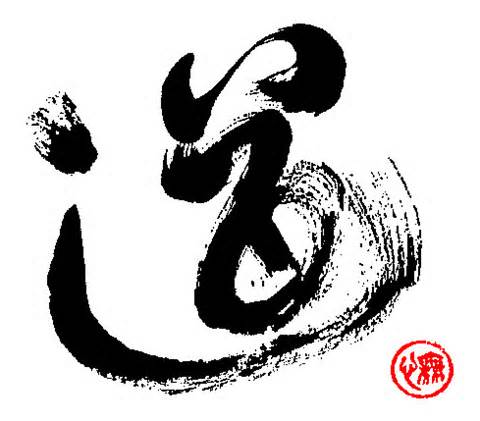
Dao
Dao is Way, Path, Truth, Reason, Logos or the Moral Order! However, Dao that can be named is not the eternal Dao according to Laozhe (老子), and he also elaborated that Name that can be named is not the ultimate name. It is not hard to understand if we stand on the other side of the road to see things at the other end of road junction, try this on for size, once we ascribed a ‘name’ to let say a cup, then everything that is not a cup is ‘not’ a cup!
We are required to see things though our ‘heart’ and not merely by our eyes. The teaching of Dao eventually will lead us to love and do things in accordance to the natural way. Dong Zhong Shu glorified the term “The unification of Tian (Heaven) and Ren (Human) (天人合一)”, in a way to manifest that the natural movements of planets and the formation of earth structure are meant for human to co-live harmoniously. The Sun will be there in time to wake us up and provide necessary sunlight to living beings while the moon rises on time to provide us a platform to rest at night. The Sun will not rise in the west and set in the east and like wise with the moon, they are not temperament and will not be late for hours to function and ancient Chinese coiled this as ‘trust’ and called this ‘The Dao of Heaven’ (天道,). Like wise human and living beings must not act in against such Law of Heaven by destructing the environment that we live in (人道). The Dao of Human requires us to mimic the heavenly law of Dao by ‘trust’ naturally.
Confucians teachings require Dao of Human Being reflected by 5 virtues of benevolence, justice, rites, and knowledge and trustworthy (仁,義,禮,智,信). In short, this path, we are required to perform the spirit of righteousness (行善) and filial (行孝).
Chinese metaphysics are based on such principles and parameters to function properly as well as morally. The responsibility lies in the hand of practitioners and the success of promoting the ancient arts is as much as they allow it to be.
-
[color=blue][font=Tahoma][size=12][font=Arial Narrow][font=Arial Rounded MT Bold][size=12][b]The Teaching of Dao[/font][/b][/font][/size][/font][/color][/size]
[size=5]Unalterable Principle[font=標楷體][size=12]天經地義之大事[/font][/size][/size][font=標楷體][size=14pt] [/size][/font]
[size=12pt]To perform ritual of worship in accordance to 4 seasons is the natural law and unalterable principle for ancient Chinese, filial son and wife would follow rigidly such custom by offering differently agricultural produces to worship ancestors in particular. Different season will have different name for such rituals, as for Spring such ritual is termed as ‘ci’ and in summer is “ yue”, while in autumn such ritual is named “chang’ and in Winter the name of ‘zheng’ is given. If such practices are neglected, the purpose of life as human is violated.[/size][font=Arial][size=12pt] [/size][/font]
[font=標楷體][size=14pt]四時[/size][/font][font=標楷體][size=14pt]的祭祀是天的常道,地的義理,孝子孝婦就依據上天四時的變化,各地的出產來奉獻祖先. 春天的祭祀叫『祠』,夏天的祭祀叫『礿』,秋天的祭祀叫『嘗』,冬天的祭祀叫『烝』,如錯過時令而不能及時祭祀的話,那就喪失為人之子的道理.[/size][/font][font=標楷體][size=14pt] [/size][/font]
[font=Arial]Traditional Chinese would have 3 levels of worships, firstly is to the ‘Heaven’ (Cosmic Power), secondly to ‘Ancestors’ and third to both ‘Gods & Devils’. This is end result of yielding to the supernatural powers[/font][font=標楷體][size=14pt]. [/size][/font]
[font=標楷體][size=14pt]中國傳統的神靈崇拜有三個方面;尊天,敬祖,拜鬼神. 這反映了人對自然力量的屈從.這又通過一定的祭祀儀式體現其影響.[/size][/font][font=標楷體][size=14pt] [/size][/font]
[size=12pt]Dong Chun Shu: ‘The Emperor would receive command from the Heaven, the ministers of government should follow the command from the Emperor, son follows order from father, and wife follows order from husband and so on’. Such relations are abosolute. But in accordance to ‘The Book of Rites’ such relationship is ‘relative’, meaning that if Emperor violates his order, fellow ministers can violate the emperor’s order! Which one is applicable in today’s’ world, is personal![/size][font=Arial][size=12pt] [/size][/font]
[font=標楷體][size=14pt]董仲舒:《天子受命於天,諸侯受命於天子,子受命於父,臣受命於君,妻受命於夫,卑者受命於尊者,皆為受命於天.》臣子服從君王是絕對的.《禮記.表記 云:天子受命於天,士受命於君,故君命順,則臣有順命;君命逆,臣有逆命》.君如果逆於天命, 則為臣者也可以逆天子之命. 可見這關系是相對的.宜不宜用? 見人見智.[/size][/font][font=標楷體][size=14pt] [/size][/font]
In the book [font=標楷體]‘[/font]Zuo Zhuan[font=標楷體]’《左傳》[/font], Ye Sen Her in the Qing era mentioned that the [font=標楷體]‘[/font]Heaven is consists of 6 energies (qi): Yin, Yang, Wind, Rain, Day and Night. These 6 energies are the result of the heaven (sky or cosmic) manifestation on human beings on earth.[font=標楷體]’[/font] These 6 different states of energies are as follow: [font=標楷體]「昭西元年載秦國的醫生和說[/font]: [font=標楷體]天有六氣[/font], [font=標楷體]六氣曰[/font]: [font=標楷體]陰[/font], [font=標楷體]陽[/font], [font=標楷體]風[/font], [font=標楷體]雨[/font], [font=標楷體]晦[/font], [font=標楷體]明也[/font].[font=標楷體]」這六氣由天空展在人們面前的六種不同狀態[/font].
[font=標楷體]•[/font] Cloudy day is termed as “Yin[font=標楷體]”[/font][font=標楷體]被雲遮住是「陰」[/font]
[font=標楷體]•[/font] The day with no cloud as “Yang”[font=標楷體]沒有雲氣遮住稱「陽」[/font]
[font=標楷體]•[/font] “Wind, Rain” are the movements of clouds [font=標楷體]「風[/font], [font=標楷體]雨」都是雲氣運行的狀態[/font]
[font=標楷體]•[/font] “Hi” is the Night [font=標楷體]「晦」是晚間[/font]
[font=標楷體]•[/font] “Ming” is the Day [font=標楷體]「明」是白天[/font]
Ye Sen Her added: [font=標楷體]‘[/font]any off-balance in the equation would ended up in disastrous state[font=標楷體]’[/font]. [font=標楷體]醫生和還說[/font]:[font=標楷體]『過則為災』[/font]
Chun Qiu Fan Lu: [font=標楷體]‘[/font]The path of Heaven is about giving, while the Earth path is about nurturing and that eluded to The Human path of Justice and Manner[font=標楷體]’[/font]. [font=標楷體]春秋繁露[/font]: [font=標楷體]『天道施[/font], [font=標楷體]地道化[/font], [font=標楷體]人道義』[/font]
[font=標楷體]【天道是施予[/font],[font=標楷體]地道是養育变化[/font],[font=標楷體]人道是礼義[/font].[font=標楷體]人能懂得礼義的基本道理[/font], [font=標楷體]便能應對事物的千变万化[/font]. [font=標楷體]起端產生了終點[/font]! [font=標楷體]礼制既能體現人們的需求和欲望[/font],[font=標楷體]又能防止秩序的混亂[/font].[font=標楷體]】[/font]
Eyes are for seeing right colors; ears are for hearing the right voices. Mouth is for tasting the right flavor and body is to walk on the right path.
[font=標楷體]【目視正色[/font],[font=標楷體]耳德正聲[/font],[font=標楷體]口食正味[/font],[font=標楷體]身行正道】[/font][font=Arial] [/font]
[font=Arial][font=Arial]Seek the reference from the divine and know your way to solve your predicament and doubts! [/font][font=標楷體]參玄悟道[/font][b][font=Arial], [/font][font=標楷體]解難釋疑[/font][/font][/b][font=Arial][/font]
[ 本帖最後由 宏泓道者 於 2013-7-24 09:03 AM 編輯 ]
-
[font=Arial][size=16pt]The Heavenly Scripture and Earthly Justice & 5 Elements[/font][font=Arial][/font][/size]
[font=Arial][/font]
[font=Arial][/font]
[font=Arial]To begin with I must said Chinese direct translation into English context would lose its core essence but I will try my best and should there be any lost in transition please pardon my ignorant. Such text below was written long ago by Dong Chong Shu, a scholar in Western Han era in regards to 5 elements and the word filial. The 5 elements creation from water breeds wood, wood creates fire, fire breeds earth, earth creates metal and metal creates water and that cycle goes on and on to repeat itself. Such creation lead us to the father and son relationship that is unique, whereby son must show the respect and loyalty to father and mutually would have to obligation of teach and learn respectively. As such the end result would breed filial towards parents![/font][font=Arial] [/font]
[font=Arial][/font]
孝與五行
[font=標楷體][size=14pt]董仲舒: 天有五行, 就是木, 火, 土, 金, 水. 木產生火, 火產生土, 土產生金, 金產生水, 水產生木, 水與冬季相對應, 金與秋季相對應, 土與季夏相對應., 火與夏季相對應, 木與春季相對應. 春主管孳生, 夏主管長大, 季夏管養育, 秋主管收穫, 冬主管貯藏.. 由以上五行相生, 五時相[/size][/font][font=標楷體][size=14pt]?的原理可以說明[/size][/font][font=標楷體][size=14pt],[/size][/font][font=標楷體][size=14pt]凡是父親所生育的, 他的兒子就有責任使它長大; 父親培育大的, 兒子要繼續扶養; 父親所扶養的, 兒子就要使它成熟. 大凡父親的作為, 他的兒子都要[/size][/font][font=標楷體][size=14pt]?接下來並且繼續照著下去[/size][/font][font=標楷體][size=14pt],[/size][/font][font=標楷體][size=14pt]不敢不努力去實現父親的意願,[/size][/font][font=標楷體][size=14pt]竭盡做人的基本道理. 因此所謂五行, 也就是五種德行. 父傳子受, 這是上天定下的為人之道. 所謂 《孝經》 中說孝是天的常經, 地的大義![/size][/font][font=標楷體][size=14pt] [/size][/font]
[size=16pt]The Three ‘H’s in Ancient Chinese World- Heaven and Human Harmony [/size][font=Arial]Western Han Scholar Dong Ching Shu in his mega publication of Chun Qiu Fan Lu ([/font][font=標楷體]春秋繁露[/font][font=Arial])wrote in great length in regards to The Heaven and Human interact action ([/font][font=標楷體]天人感應[/font][font=Arial]), among others, such rational eluded to the Harmonization of such interaction and any deviation of such would violate such cohesiveness. [/font]
[font=Arial]Only Human and Heaven (Cosmic) would interact because of Human intelligence. Human would have 366 minor bones that would match 366 days a year, while 12 major bones would relate or match 12 months in a year. Our flesh match the earth’s surface while our blood stream matches the rivers, ocean and mountains. Human’s mood of happiness would match the summer day, anger match cloudy day or autumn, joyful relate to spring while grief would relate to winter. Our inner body with Wu Zhang (5 major organ systems) would relate to Wu Xin (5 elements) while four limps would match four seasons. This is rather systematically approach of our ancient wisdom, in future when anyone condemns that Chinese Culture is superficial and superstitious, you can look at him or her and said quietly that ‘ignorant is not bliss’! The concept of Yin and Yang also embedded in our lives, such as when we wake up in the morning we see the sun coming out (Yang) while we go to sleep when the night is dark (Yin). Woman is Yin while Man is Yang; the sky is Yang while the earth is Yin! [/font]
[font=Arial][/font]
[font=Arial]Ancient Chinese would come out with all sorts of predictive tools because fear of the unknowns and often the results are either auspicious or inauspicious, in a more concrete approach, unkind energy that generated is often the violation of the cosmic or natural law while the kind energy that inherited is the result of natural flow of energy! In simple form auspicious would have the new definition of natural flow of energy while the inauspicious is the violation of the natural law! The violation of the Human and Heaven interaction! That is why Chinese emphasis greatly on the word filial, filial is not only the word respect for parents or elderly per se, it means more than that to respect the mother nature and learn to love the environment that give us life and energy[/font] -
[color=blue][font=Tahoma][size=12][font=Arial Narrow][font=Arial Rounded MT Bold][size=12][b]The Teaching of Dao[/font][/b][/font][/size][/font][/color][/size]
[color=blue][font=Tahoma][size=12][font=Arial Narrow][/font][/font][/color][/size]
[color=blue][font=Tahoma][size=12][font=Arial Narrow][/font][/font][/color][/size][font=Arial Narrow][size=4]The Important and Yet basic concept in Metaphysic-Yin and Yang[/size][/font]
The in-depth understanding of Yin and Yang is imperative in studying Chinese Metaphysic. As you may aware by now that the Chinese language and culture is uniquely designed and to understand them it requires you to comprehend in a metaphoric sense. Let see the below some of the Yin and Yang differentiations. The Segregation [font=Arial Narrow]One Yin and One Yang is the formation of Dao, [/font][font=Arial Narrow][font=標楷體]一陰一陽謂之道[/font][/font] Sky is Yang while Earth is Yin [font=標楷體]天是[/font][font=標楷體]陽[/font],[font=標楷體]天是陰[/font]
Sunny Day is Yang while Rainy day is Yin [font=標楷體]晴天是陽[/font], [font=標楷體]陰天是陰[/font]
Clear as Yang while Muddy as Yin[font=標楷體]清者為陽[/font][font=標楷體],[/font][font=標楷體]濁者為陰[/font]
Breathing in as Yang while breathing out is Yin [font=標楷體]呼者為陽[/font][font=標楷體],[/font][font=標楷體]吸者為陰[/font]
Ascending is Yang while descending is Yin[font=標楷體]升者為陽[/font][font=標楷體],[/font][font=標楷體]降者為陰[/font]
On top is Yang while bottom is Yin[font=標楷體]上則為陽[/font][font=標楷體],[/font][font=標楷體]下則為陰[/font]
Left is Yang while right is Yin[font=標楷體]左則為陽[/font][font=標楷體],[/font][font=標楷體]右則為陰[/font]
Heart is Yang while Kidney is Yin[font=標楷體]心氣為陽[/font][font=標楷體],[/font][font=標楷體]腎氣為陰[/font]
Liver is Yang while Lung is Yin[font=標楷體]肝木為陽[/font][font=標楷體],[/font][font=標楷體]肺金為陰[/font]
The Oneness Pure Yin without Yang devil being! [font=標楷體]純陰而無陽者,鬼也[/font]
Pure Yang without Yin, immortals (celestial being) [font=標楷體]純陽而無陰者,仙也[/font]
Yin and Yang coexist, human being[font=標楷體]陰陽相雜者,人也[/font]
The Concept of Yin and Yang in Broader Context
Heaven (sky) consists of both Yin and Yang[font=標楷體]天有陰陽[/font]
Earth consists of Hard and soft [font=標楷體]地有剛柔[/font]
Human being equipped with righteousness and justice (justice at times could harm loved one) [font=標楷體]人有仁義[/font]
The Concept of reciprocity
Ruler benevolence while courtier loyal [font=標楷體]君仁臣忠[/font]
Father love while son filial[font=標楷體]父慈子孝[/font]
Teacher care while Student respect[font=標楷體]尊師愛生[/font]
[font=標楷體]大音希声[/font],[font=標楷體]大象無形[/font],[font=標楷體]大方無隅[/font],[font=標楷體]大器免成[/font]
The Best Music is Silent, The Biggest Form is Imageless, The Biggest Square is without corners, The Biggest Utensil is ‘void’ or empty~! -
Confucianism versus Daoism
[font=Arial]Confucianism was popularised by Confucius in the era of Spring and Autumn, dated back B.C 551-479. It was recorded in the history as a proper set of Ideology Thinking or Philosophy. Confucius had set the pace for education is for all not only confined or exclusively to the elite few and government officials at that time. His biggest contribution at that time was to let all human beings to have education as long as the desire to learn is burning. ([/font][font=Arial Narrow][size=14pt]有[/size][/font][font=Arial Narrow][size=14pt]教無類[/size][/font][font=Arial]).[/font][font=Arial] [/font]
The fundamental teaching of Confucian is about building inner as well as external values of a person, to interact harmoniously with people. Values such as filial piety, trustworthiness, etiquette and camaraderie are preached. The core context was built surrounding relationships between ruler and residence, between husband and wife and between father and son should be in a proper protocol and thus the virtues of benevolence, justice, etiquette, wisdom and trustworthiness should be in place ([size=14pt]仁[/size][size=14pt]義禮智信[/size][size=14pt]). [/size]
[size=14pt][/size]
Confucianism differs from religions and Daoism in the context surrounding Universal, Science, Mother Nature and Society. Confucianism only placed emphasis on the eternal subjects such as human and social interaction.Daoism was popularised by Laotse at the late of Spring and Autumn era. At the beginning of Han era Daoism was termed as Dao De Jia ([font=Times New Roman][size=14pt]道德家[/size][/font]). Beside Daoism, there were five more schools of thoughts mushroomed at that time, such as Confucianism, Mo Jia ([font=Times New Roman][size=14pt]墨[/size][/font]), Ming Jia ([size=14pt]名[/size][size=14pt])[/size], Fa Jia ([size=14pt]法[/size][size=14pt]) [/size]and Yin Yang Jia ([font=Arial Narrow][size=14pt]陰陽[/size][/font][size=14pt]). [/size][font=標楷體]The teaching of Daoism is the blending of these 5 others’ teachings and philosophy. The famous icons in the Daoism School are Laotse, Chuangtse, and Huang Lao sect. The main focal point was to build a stronger and healthy both body and mind to achieve longevity ([/font][size=14pt]治身[/size][size=14pt])[/size][font=標楷體] and thus rule a county ([/font][size=14pt]治國[/size][size=14pt]). [/size]
[size=14pt][/size][font=標楷體]Daoism places great emphasis on building a healthy body with less materialistic ([/font][size=14pt]輕物重身[/size][size=14pt])[/size][font=標楷體] while Confucianism building on better soul. Daoism does not directly believe that the Heaven ([/font][font=Arial Narrow][size=14pt]天[/size][/font][font=標楷體]) is with ‘intention’ but to go with the flow of Mother Nature-The Way of Dao ([/font][font=Arial Narrow][size=14pt]道[/size][/font][font=標楷體]). Dao preaches Mother Nature more than any other schools.[/font][font=標楷體]Laotse has further elaborated that Dao is the source of creation for universe and therefore is the main ruler for the Universe and its activities. Daoism was the pioneer in studying the concept of Universe and materials beings, this is the biggest contribution of Daoism to mankind. For simplicity sake please find below some of the Laotse teachings:[/font][font=標楷體]One should uphold ‘nothingness’ ([/font][size=14pt]人要無為[/size][size=14pt]), [/size][font=標楷體]weak is to avoid competing ([/font][size=14pt]柔弱就能謙下不爭[/size][size=14pt]) [/size][font=標楷體]and [/font][font=標楷體]Stupidity is to harness substance [/font]([size=14pt]愚魯就能棄華取實[/size][size=14pt])[/size][font=標楷體] [/font][font=標楷體]Daoism stress the importance of life over material, fame and fortune should not be the ultimate goal for human beings. [/font][font=標楷體]Fame and fortune is meaningless if one is living without the spirit of Dao. [/font]
[size=14pt][/size]
[font=標楷體]Western Han Historian Ser Ma Tan acknowledged that Taoist teaching has gathered other schools’ unique teaching as a blend and became the perfect school of though at that point on time. [/font][font=標楷體][size=18pt]大音希声[/size][/font],[font=標楷體][size=18pt]大象無形[/size][/font],[font=標楷體][size=18pt]大方無隅[/size][/font],[font=標楷體][size=18pt]大器免成[/size][/font]
The Best Music is Silent, The Biggest Form is Imageless, The Biggest Square is without corners, The Biggest Utensil is ‘void’ or empty~![font=標楷體][size=18pt] [/size][/font]
[font=標楷體][size=18pt]儒家保德以求道[/size][/font]
Confucianism Embedded De and Quest For Dao
[font=標楷體][size=18pt]一個人如果張開耳目[/size][/font],[font=標楷體][size=18pt]會發現處處皆是學問[/size][/font]!
One should have an open mind to learn![ 本帖最後由 宏泓道者 於 2013-7-24 08:54 AM 編輯 ]
-
[font=Tahoma][font=Arial Narrow][color=#ff8040][font=Arial Rounded MT Bold][size=12][b]The Teaching of Dao[/font][/size][/font][/b][/font][/color][font=Arial][size=9pt] [/font][font=Arial] [/font][font=新細明體] [/font] [font=Tahoma][size=10pt] [/size][/font][/size]
[font=新細明體]通曉道的人,外物不能的擾亂他的天然和氣 [/font]
[font=新細明體][size=12pt]Materials and external interference cannot disturb our natural inner forces of energy, if one believe and preach DAO. [/size][/font]
[font=新細明體] [/font][font=新細明體]只要返回自己的本性就能得道 [/font]
[font=新細明體][size=12pt]Back to basic is returning to Dao.[/font][font=新細明體] [/font][/size]
[font=新細明體]因春而生,因秋而殺,所生者弗德,所剎者非怨[/font][font=新細明體] [/font]
[font=新細明體][size=12pt]Materials are born in spring and die in autumn, those who born in spring never arrogant and those who die in autumn never complaint. [/size][/font]
[font=新細明體] [/font][font=新細明體]慮不勝數,行不勝德,事不勝道 [/font]
[font=新細明體][size=12pt]One can never out-think our destiny, our action can never offended Virtue of ‘De’ and our mission can never offended the Virtue of ‘Dao” [/size][/font]
[font=新細明體][size=12pt]使之有欲,不得過節,使之敦樸,不得無欲[/font][font=新細明體][size=12pt] [/size][/font][/size]
[font=新細明體][size=12pt]Desires should be moderate and any extreme cases would cause unnecessary and unwarranted end result. [/size][/font]
[font=新細明體] [/font][font=新細明體][size=12pt]Living in A Grateful World [/font][/size]
[font=新細明體]生活在感恩的世界 [/font]
[font=新細明體] [/font][font=新細明體]Be grateful to those who have denounced you [/font]
[font=新細明體]For they have led you to wisdom and concentration[/font][font=新細明體] [/font]
[font=新細明體]感激斥責你的人 [/font]
[font=新細明體]因為他助長了你的定慧 [/font]
[font=新細明體] [/font][font=新細明體]Be grateful to those who have made you stumble [/font]
[font=新細明體]For they have strengthened your ability [/font]
[font=新細明體]感激絆倒你的人 [/font]
[font=新細明體]因為他強化了你的能力[/font][font=新細明體] [/font]
[font=新細明體]Be grateful to those who have abandoned you [/font]
[font=新細明體]For they have taught you to be independent[/font][font=新細明體] [/font]
[font=新細明體]感激遺棄你的人 [/font]
[font=新細明體]因為他教導了你應自力[/font][font=新細明體] [/font]
[font=新細明體]Be grateful to those who have ‘hit’ you [/font]
[font=新細明體]For they have reduced our karmic obstacles[/font][font=新細明體] [/font]
[font=新細明體]感激鞭打你的人 [/font]
[font=新細明體]因為他消除了你的業障[/font][font=新細明體] [/font]
[font=新細明體]Be grateful to those who have deceived you [/font]
[font=新細明體]For they have deepened your insight [/font]
[font=新細明體]感激欺騙你的人 [/font]
[font=新細明體]因為他增進了你的見識[/font][font=新細明體] [/font]
[font=新細明體]Be grateful to those who have hurt or harmed you [/font]
[font=新細明體]For they have reinforced your determination [/font]
[font=新細明體]感激傷害你的人 [/font]
[font=新細明體]因為他磨練了你的心志[/font][font=新細明體] [/font]
[font=新細明體][size=12pt]Be grateful to those who have made you assertive and resolute and helped in your path of achievement [/size][/font]
[font=新細明體]感激所有使你堅定成就的人[/font][font=新細明體] [/font]
[font=新細明體]天有五星[/font]
[font=新細明體][size=12pt]Five Stars in The Sky [/size][/font]
[font=新細明體]地有五行[/font]
[font=新細明體][size=12pt]Five Elements on the Earth [/size][/font]
[font=新細明體]天分星宿[/font]
[font=新細明體][size=12pt]Sky with different constellation of stars [/size][/font]
[font=新細明體]地列山川[/font]
[font=新細明體][size=12pt]Earth with Mountain and Rivers [/size][/font]
[font=新細明體]氣行於地[/font]
[font=新細明體][size=12pt]Energy disperse on the ground [/size][/font]
[font=新細明體]刑麗於天[/font]
[font=新細明體][size=12pt]Show kind and unkind signs in the sky [/size][/font]
[font=新細明體]因形察氣[/font]
[font=新細明體][size=12pt]Such signs should derived by observing energy [/size][/font]
[font=新細明體]以立人紀[/font]
[font=新細明體][size=12pt]That affects all living beings[/font][font=新細明體] [/font][/size]
[font=新細明體] [/font] -
Seeking Knowledge is not about seeking wealth, it’s about passing the torch; this is the basic value of a teacher.
([font=新細明體]學問不是求富貴[/font],[font=新細明體]是薪火的延續[/font]![font=新細明體]這是作為人師的基本價值[/font])
In the quest for excellence in your chosen field, the journey to achieve your next pinnacle or platform is rather bumpy for some but monotonous for others. In metaphysics, it is rather difficult to search for the essence, particularly in Feng Shui. In the early days, metaphysics was the exclusive domain of the imperial ruling or the few elite community leaders. Some inherited this essence, and possess it even today but sadly due to their selfishness most of them have kept it to themselves. In the ancient world, teaching for the masses was not possible since the essence of techniques were not taught openly in the public. Today, metaphysics is taught openly, but sadly not its essence. Contrary to their claim, some do not even know the essence, and some of them teach the essence according to their mood or liking. Some even charge hefty fee for certain knowledge, and a few of them pass the essence only to their son(s). Some of this valuable essence and knowledge was therefore lost in transition, which was actually the loss for the whole nation.
May I suggest that the Chinese community is a selfish community that stifles creativity as well as the progress of a nation as a whole. As an evidence of this selfish approach it can be mentioned that it were the Chinese who invented compass but Marco Polo was the one who conquered the world by using the compass. Chinese also invented the fireworks but it were the Americans who used this concept to send the first person to moon. The concept of Yin (0) and Yang (1) was invented in China 4,000 years ago but it was a German scholar who catalyzed the invention of computer by using the same concept. If some of the masters stay at the same paradigm as they always have, then the world of metaphysics will forever stay the same and labeled as superstitious.
Life is like standing in a Queue
Life is like standing in a Queue, a Queue to face Obstacles and Challenges
Life is full of challenges and obstacles; this is the hard fact. However, if your persist, just like standing in a queue, your turn will come, and rest assured there is always bright light at the end of the tunnel. Feng Shui will provide a clue as and when you will see that light at the end of the tunnel.
Change
Chinese believe that earth’s magnetic field forces are in constant movement in harmony with the planetary bodies’ movement, and the energies related to the time dimension do not stay the same. For instance, Saturn and Jupiter come into a new alignment every 20 years and such an occurrence will result in changes of magnetic field forces. These changes thus filter down to earth and human beings. In Feng Shui, the time element is crucial. No person, either at home or in office, enjoys good cycles or bad cycles forever. Different cyclical patterns of energies have different weaknesses and strengths, depending on the period at hand. We do not believe in luck but in opportunities!
Think of 1 and 2.
One of my calligraphic masters recently wrote 4 words in Chinese calligraphy ([font=新細明體]常想一二[/font]), which when translated literally into English means “Think of 1and 2’. To understand this statement we must first examine another common phrase in Chinese ([font=新細明體]人生不如意事十常八九[/font]), which in English means, ‘Out of ten events in the journey of life, on a normal course (you) will bump into 8 or 9 obstacles’. ‘Think of 1 and 2’ is primarily to focus on the positive factors, smooth events or outcomes, when it comes to handling the predicaments. For better understanding, we can relate this to the age-old maxim ‘think of half full and avoid half empty’. You might say, it is easier said than done, but you will never feel the difference if you do not even try.
And it is true that things will always turn out right when hit rock bottom. Keep persisting. Learn to be a happy person. Love your family and care for friends. Reorganize your thinking and act positively, whenever possible. Try strengthening the relationships and you will come out as a stronger and much better person. In good times, prepare for the testing times, and welcome them when you come across them because the worse would be over soon.
Do not ask me when things will turn around, just ‘Think of 1 and 2’ in testing times!
[ 本帖最後由 宏泓道者 於 2013-7-23 01:12 PM 編輯 ]
-
Stories from Ancient Chinese Wisdom
The Goat and Turtle Race
There was once a goat which challenged a Turtle for a race. The turtle agreed to race with him the next day. Before the race, the over-confident goat looked down at the turtle and said to him, “You are never going to beat me as I am much faster than you.” The turtle replied, “Say no more and let the race begin.” Just after the starting point, the over-confident goat asked, “Where are you turtle, you are nowhere to be found.” He then heard a voice in front of him and realized it was the turtle. “You better catch-up, I am in front of you,” said the turtle. The goat ran faster and after a while, he looked around and asked again, “Where are you turtle, you are nowhere to be found.” The voice of the turtle came out from the woods, “You better catch-up, I am in front of you.” The over-confident goat started to falter in its rhythm, and it was apparent that the goat was losing its confidence. It continued to run as fast a it could, but by the time the goat reached the finishing point, the turtle was already there. The goat was distraught and its confidence had completely evaporated.
(Before the race began, the turtle had lined up his family members from the starting point till the finishing line.) Moral of the story: Intelligence is better than speed!
The Smart Kid and the Old Wise Man
One day, a smart kid tried to challenge an old wise man and asked him, “You are a wise man with knowledge of all the answers in life well in advance. I am holding a bird in my hand, do you know if the little bird is dead or alive?” The old wise man was a little confused. Knowing if he answered the bird was alive, the smart kid would kill the bird, similarly if he answered the bird was dead, he would set the bird free. The old wise man was stuck between the devil and the deep sea. Guess what did he reply. “The fate of the bird lies in your hand,” the old wise man answered and walked away. Moral of the story: You are in control of your own life.
80-storeys
Once there was a couple, which was trying to get to its apartment on the 80th floor. They were carrying several bags with them. Till the 20th storey, they were energetic and had fun and joy on their faces and in their heart. After the 20th storey, they realized they were carrying too much baggage and lthus eft their bags on the 25th storey. At each step approaching the 40th storey, they criticized each other and were grumpy about not bringing the water they had left in their bag. They however kept moving up and by the time they had gone past the 60th storey, they had much less to say and just looked at each other’s face. The journey from the 60th to 80th floor was monotonous and rather dull. When they reached their destination on the 80th storey, they realized that the apartment’s keys were left in the bag on the 25th storey!
Moral of the story: Most of the important decisions in life are taken in the early twenties. The actions and activities of that age shape one’s identity and create the path for the life’s journey. That is why it is imperative that we should always refer and check our instincts or inner heart for the true answers in life.
The Mice
There was once a little mice which was envious of the sky, It said, “Sky, sky, I admire you very much because you are the best, you cover the whole world and you are invincible.” Sky replied, “No, no, I am not invincible, I am afraid of the clouds because they block my view as and when they want.” The little mice then went to the clouds and said, “Dear clouds, I envy you all very much. You are the best and invincible.” The clouds answered, “No, no, we are not, we are afraid of the wind because the wind blows us away as and when it wants.” The mice then went to see the wind and said, “Dear wind, I envy and admire you the most because you are invincible.” The wind responded, “No, no I am not invincible, I am afraid of walls because walls block and knock me down badly.” The mice then went to visit the walls and said, ‘Dear walls, I envy you the most because you are so strong and invincible.” The walls looked at the mice and said, “I do not think so because you create holes in me as and when you want. I think you are the one who is invincible! Moral of the story: We are all invincible in our own right.
A Farmer’s Horse Taoist Story
The story goes that one day the farmer’s horse ran away. His neighbor hears of his bad news and comes over to commiserate. “I hear that you lost your horse. That is bad news and bad luck.”
“Well, who knows?” said the farmer, “Maybe it is and maybe it isn’t.”
Well, the next day the farmer’s horse returns to his stable, but it has brought along a drove of wild horses it has befriended and who make themselves at home.
The neighbor across the way can’t believe what he hears about his friend. He decides to come over and congratulate him.
“This is such goodness,” he says. “Well, who knows,” said the farmer, “Maybe it is and maybe it isn’t.”
The next day the farmer’s son decided to ride one of the new wild horses, to break it in. As luck would have it, the son was thrown from the horse and broke his leg.
Of course, upon hearing this sad news, their neighbor came over to offer condolences. “This is such sad thing,” he said. “Your son has broken his leg. This is bad news.” “Well, who knows,” said the farmer. “Maybe it is and maybe it isn’t.”
There were more well wishes and commiseration from his neighbor. The farmer offers this Taoist wisdom, “Who knows what is good and bad?”
On the following day soldiers came by commandeering and army. They took sons from most of the surrounding farms, but because the farmer’s son had a broken leg, he could not go and was spared. And well, maybe it was good news and maybe it wasn’t.
This positive taoist story offers many readings. It serves as a reminder that nothing is ‘good news’ or ‘bad news’ per se, but that it always comes down to one’s own interpretation.
Going with the Flow
An old man was walking with friends by a swift-flowing river when he stumbled and fell into the water. He was swept downstream through a set of fierce rapids, dashing among the rocks. Then he plunged over the edge of a steep waterfall. His friends, fearing for his life, rant to the pool below the waterfall. To their amazement the old man came to the edge of the pool, unharmed.
“Old man,” they cried, “how could you have survived both the rapids and the waterfall?”
“I cannot tell you,” he answered. “I only know that I did not try to fight the water, but allowed myself to be shaped by it. I accommodated myself to the stream, and the stream carried me without harm.”
Is That So?
A beautiful girl in the village was pregnant. Her angry parents demanded to know who was the father. At first resistant to confess, the anxious and embarrassed girl finally pointed to Hakuin, the Zen master whom everyone previously revered for living such a pure life. When the outraged parents confronted Hakuin with their daughter’s accusation, he simply replied “Is that so?”
When the child was born, the parents brought it to the Hakuin, who now was viewed as a pariah by the whole village. They demanded that he take care of the child since it was his responsibility. “Is that so?” Hakuin said calmly as he accepted the child.
For many months he took very good care of the child until the daughter could no longer withstand the lie she had told. She confessed that the real father was a young man in the village whom she had tried to protect. The parents immediately went to Hakuin to see if he would return the baby. With profuse apologies they explained what had happened. “Is that so?” Hakuin said as he handed them the child.
The Gift of Insults
There once lived a great warrior. Though quite old, he still was able to defeat any challenger. His reputation extended far and wide throughout the land and many students gathered to study under him.
One day an infamous young warrior arrived at the village. He was determined to be the first man to defeat the great master. Along with his strength, he had an uncanny ability to spot and exploit any weakness in an opponent. He would wait for his opponent to make the first move, thus revealing a weakness, and then would strike with merciless force and lightning speed. No one had ever lasted with him in a match beyond the first move.
Much against the advice of his concerned students, the old master gladly accepted the young warrior’s challenge. As the two squared off for battle, the young warrior began to hurl insults at the old master. He threw dirt and spit in his face. For hours he verbally assaulted him with every curse and insult known to mankind. But the old warrior merely stood there motionless and calm. Finally, the young warrior exhausted himself. Knowing he was defeated, he left feeling shamed.
Somewhat disappointed that he did not fight the insolent youth, the students gathered around the old master and questioned him. “How could you endure such an indignity? How did you drive him away?”
“If someone comes to give you a gift and you do not receive it,” the master replied, “to whom does the gift belong?”
Egotism
The Prime Minister of the Tang Dynasty was a national hero for his success as both a statesman and military leader. But despite his fame, power, and wealth, he considered himself a humble and devout Buddhist. Often he visited his favorite Zen master to study under him, and they seemed to get along very well. The fact that he was prime minister apparently had no effect on their relationship, which seemed to be simply one of a revered master and respectful student.
One day, during his usual visit, the Prime Minister asked the master, “Your Reverence, what is egotism according to Buddhism?” The master’s face turned red, and in a very condescending and insulting tone of voice, he shot back, “What kind of stupid question is that!?”
This unexpected response so shocked the Prime Minister that he became sullen and angry. The Zen master then smiled and said, “THIS, Your Excellency, is egotism.”
Self-Control
One day there was an earthquake that shook the entire Zen temple. Parts of it even collapsed. Many of the monks were terrified. When the earthquake stopped the teacher said, “Now you have had the opportunity to see how a Zen man behaves in a crisis situation. You may have noticed that I did not panic. I was quite aware of what was happening and what to do. I led you all to the kitchen, the strongest part of the temple. It was a good decision, because you see we have all survived without any injuries. However, despite my self-control and composure, I did feel a little bit tense – which you may have deduced from the fact that I drank a large glass of water, something I never do under ordinary circumstances.”
One of the monks smiled, but didn’t say anything.
“What are you laughing at?” asked the teacher.
“That wasn’t water,” the monk replied, “it was a large glass of soy sauce.”
Full Awareness
After ten years of apprenticeship, Tenno achieved the rank of Zen teacher. One rainy day, he went to visit the famous master Nan-in. When he walked in, the master greeted him with a question, “Did you leave your wooden clogs and umbrella on the porch?”
“Yes,” Tenno replied.
“Tell me,” the master continued, “did you place your umbrella to the left of your shoes, or to the right?”
Tenno did not know the answer, and realized that he had not yet attained full awareness. So he became Nan-in’s apprentice and studied under him for ten more years.
Perseverance Precedes Immortality
Perseverance is the key to realise the ultimate goal of spirituality. A short story, a Taoist story conveys the truth.
A man called Wang who was inclined to Taoism, wanted to know the secret of immortality. He hence approached a monastery to Learn the truth from its head. Wang on arriving at the monastery, bowed low to the Master and requested to guide him. The master simply said, “You will not be able to cope up with the fatigue!”
On Wang’s persistent imploring, the Master accepted him as one among his other disciples. In the morning he was sent to cut firewood with the other disciples. This followed for a month at a stretch with Wang’s legs and hands swelling up. He secretly wished to retreat from his mission on seeking immortality.
One evening, Wang was surprised to find two strangers with the master. One among them, an old priest cut out a paper in the shape of a round mirror and pasted it on the wall. To his amazement it became a dazzling moon and the disciples at once came crowding around the table.
Another stranger suggested, “We should enjoy this festive occasion by indulging in some wine” He at once took out a kettle of wine which seemed too small to contain enough wine for everyone. The disciples clamoured for it for the fear of the drink getting exhausted. However, to their astonishment the kettle remained full!
Next a stranger said that it was boring to enjoy the wine without entertainment. He suggested, “Why not ask Chang-ngo to join us ?” At once he reached for a chopstick and threw it into the moon. Thereupon a beautiful girl, who was just a foot high emerged from the beams of the moon and soon grew to full size of a normal woman. Her voice broke forth into melodious numbers. When having done with the songs, she at once jumped on the table and became a chopstick again.
A stranger then suggested, “I do not have enough room to drink my wine. Will you join me in the palace of the moon to drink a parting glass of wine?” They soon took the table and walked into the moon, where the disciples could see them drinking to their heart’s content. Soon the moon became obscure and the disciples brought a lighted candle into the room to just find their master sitting.
Wang was excited about the magic and decided not to go home. But there was no more magic for and Wang was again into his strenuous and monotonous work of cutting firewood. He could not contain himself anymore as the master did not teach him any magical art. He hence asked the master to teach him some magic if not the way to immortality. The master at first drove him back to cut firewood. However on Wang’s constant pestering to teach him to walk through a wall, the master imparted the lesson.
Wang tested his newly acquired skill and was excitedly made his way home. On reaching home his wife claimed the fruit of his long absence. Wang who wanted to exhibit his skill ran towards the wall in full speed to pass through it, ended up falling down on the floor with a big lump on his head.
Perseverance coupled with a focus is what will usher in immortality.
Wu Wei: Action in Inaction
Wu wei, or “action through inaction,” can be used in many ways. For example, if someone treats us with anger or with hatred, we should not respond in the same way. This will just make things worse. A Taoist story shows this principle at work.
There was once a great warrior who, though old, had never been beaten. One day a young warrior challenged him. The young man was not only strong, but also skilled at spotting any weakness in an opponent. He would let the opponent make the first move, thus revealing his weakness. Then the young warrior would strike and defeat his opponent.
The old warrior accepted the challenge and the two stood facing each other, prepared for battle. For a long time, neither man moved. Then to provoke the old man, the young man began hurling insults at him. He threw dirt at him and spat in his face. But the old warrior merely stood there. Unable to provoke the old warrior into showing any weakness, the young warrior finally acknowledged that he was beaten.
Chuang Tzu’s Tao Story On Performing And Winning
Does joy lie in enjoying one’s performance or winning?The one who enjoys his performance is relaxed and his skill is at his best while the one who focuses on winning postpones his celebration, may be even denies it. A Tao story of Chuang Tzu, a short story conveys the truth.
Chuang Tzu says that when an archer is shooting for fun or enjoyment his skill is potent.
When he is to shoot for a brass buckle, nervousness has already caught on to him.
When he is to shoot for a piece of gold, he has already lost his sight, for he is out of his mind, probably seeing two targets.
According to Chuag Tzu, it is to be noted that there is no change in his skill but all change are in him for the prize money brings about a division in him. Care has entered the portals of peace and he looks forward for winning than of shooting. The need and the anxiety to win drains all his power.
Governing The World
How can the world be governed? A Tao story reveals the truth.
T’ien Ken in the Course on his wandering on the Mount Yin, came to River Liao. There he met a nameless man to whom he put forth a question, “How would you carry on the governing of the world?’
“Go away,” said the man who happened to be a Tao saint.
The Tao man further accused, “You are rude! Why do you ask me a question for which I am not prepared?”
The nameless one proceeded, “I would just play the part of the ‘Maker’ of all things. When I am tired, I would climb over the bird called ‘light’ and fly beyond all the directions and go about wandering in the land of no where! Now what method do you have for governing the world that you ask me?”
T’ien, however would not let go of the saint. He further pressed the saint with the same query.
The Tao man replied, “Let your mind revel in pure simplicity, merge with the original space idly with indifference. Go with the natural flow of things and do not allow any personal or selfish motive to intervene. Do this, and the world will be governed !”
Beyond Reward And Punishment!
Goodness will have to prevail beyond rewards and punishments, for it to be present always. A short Tao story reveals the truth.
Po Ch’eng served as the governor during the rule of King Yao. He continued to serve as the governor when King Yao passed away and his son took over. However the son died early and the kingdom was passed over to his grandson.
Po Ch’eng however resigned from is post when the grandson of Yao, Yu ascended the throne, to become a farmer.
Yu, aware of the fact that he was an efficient governor, in view of getting Po Ch’eng back to his court, went to meet him.
Yu bowed low to Po Ch’eng while he was engaged in farm work.
He asked, “Sir you were an able governor when my grandfather ruled. Why have you stooped down to toil in the farm, leaving behind a dignified life?”
Po Ch’eng replied, “When you grandfather ruled people were spontaneously and naturally good without any rewards. They urged one another to be good without the slightest expectation of a reward. They also refrained from doing evil every naturally without the fear of punishment. But you have now introduced rewards and punishments, despite which people do not behave properly. From now on virtue will degenerate following disorders in the future. Why don’t you, Your Majesty leave without interrupting my work any further!”
Po Ch’eng began to plow without glancing back!
Rewards and punishments do not go a long way in maintaining goodness. Goodness that is natural and spontaneous is what will prevail and flourish. Such goodness is a result of a mind turned inwards, which recognises the true nature of oneness in diversity.
Explaining The Essence Of Dao
A scholar and a gentleman by name Duke Huan, sat on a balcony reading. Below one of his servants, P’ien was carving out a wooden wheel as in those days the wheels were hand made. He put away his working tools and ascended the steps to talk to his master.
P’ien asked, “Your honor, may I know what you are reading?”
“I am reading the wise words of the sages,” said Duke Huan
“Are they alive?” asked P’ien
“They are dead,” said the Duke.
“Then what you are reading now is their cold left overs,” said P’ien
The Duke retorted, “Why should you, a wheel-maker have to say anything about the books I read. It is good if you give me an explanation, otherwise you only deserve to die!”
The wheelwright said, “Your honour, your servant (referring to himself) will explain from the view pint of his own work of art. When I make a wheel, if I carve gently, the process is easy on me, but the product of my work does not turn out to be good. If I work violently, the product of my work turns out to be crude and the process is hard on me as well. But when I work neither gently nor roughly, the product turns out to be a fine piece of work.”
P’ien continued, “Now I cannot teach this to my son or can he adapt it, as there is a knack of doing it which is beyond the process of training or teaching! I am seventy years old now and continue to make wheels this way. The sages who you are reading have gone, taking their knack with them. So what you are reading now is their cold leftovers!”
The point conveyed through this story is that even great books cannot convey the Dao (The essence), which is the mystery of life. Books are made up of a collection of words which carry the truth, which is the result of something else. Nobody can ever reveal in words what that something else is! What we look at is the names and forms, colour and sound etc which are incapable of explaining the inexplicable Tao, the secret of life. Books can only point at the truth, while the truth is still something else!
The essence or the true nature of Dao cannot be conveyed through forms.
Surprising the Master
The students in the monastery were in total awe of the elder monk, not because he was strict, but because nothing ever seemed to upset or ruffle him. So they found him a bit unearthly and even frightening. One day they decided to put him to a test. A bunch of them very quietly hid in a dark corner of one of the hallways, and waited for the monk to walk by. Within moments, the old man appeared, carrying a cup of hot tea. Just as he passed by, the students all rushed out at him screaming as loud as they could. But the monk showed no reaction whatsoever. He peacefully made his way to a small table at the end of the hall, gently placed the cup down, and then, leaning against the wall, cried out with shock, “Ohhhhh!” -
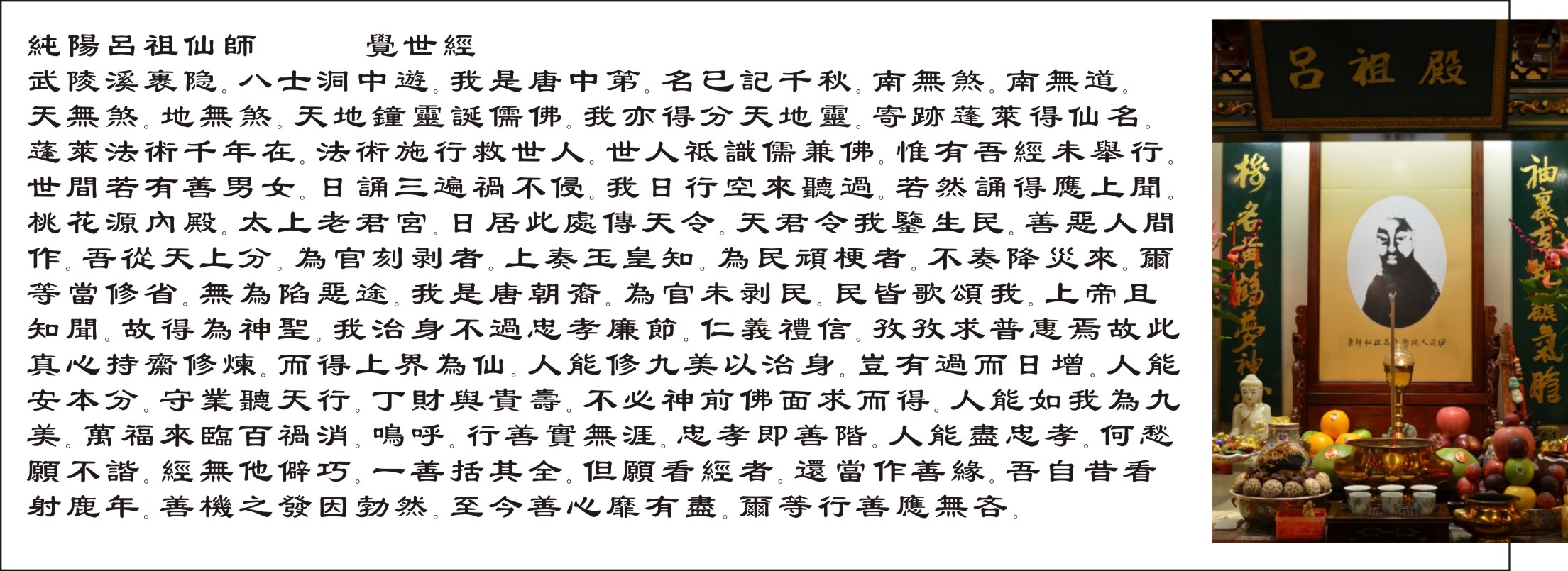
[size=6]Lu Ju Said: To save our souls eternally, to practice Dao is inevitable, to practice Dao is to live up to dao’s principle.[/size]
[font=新細明體][size=10pt]([/size][/font][font=新細明體][size=10pt]呂祖曰:『要拯救自己真靈不滅永生,必須修道,修道必須行道。』)[/size][/font]Unalterable Principle[font=新細明體][size=14pt]天經地義之大事[/font]
[/size]
To perform ritual of worship in accordance to 4 seasons is the natural law and unalterable principle for ancient Chinese, filial son and wife would follow rigidly such custom by offering differently agricultural produces to worship ancestors in particular. Different season will have different name for such rituals, as for Spring such ritual is termed as ‘ci’ and in summer is “ yue”, while in autumn such ritual is named “chang’ and in Winter the name of ‘zheng’ is given. If such practices are neglected, the purpose of life as human is violated.
Traditional Chinese would have 3 levels of worships, firstly is to the ‘Heaven’
(Cosmic Power), secondly to ‘Ancestors’ and third to both ‘Gods & Devils’. This is end result of yielding to the supernatural powers.
.
Dong Chun Shu: ‘The Emperor would receive command from the Heaven, the ministers of government should follow the command from the Emperor, son follows order from father, and wife follows order from husband and so on’. Such relations are absolute. But in accordance to ‘The Book of Rites’ such relationship is ‘relative’, meaning that if Emperor violates his order, fellow ministers can violate the emperor’s order! Which one is applicable in today’s’ world, is personal!
LU Ju said: Dao practioners should cleanse away our taited heart, no form, no self, no emotion, cultivating good deed and virtues are the right way.
[font=新細明體][size=10pt]呂師曰[/size][/font]: [font=新細明體][size=10pt]「學道之人先應洗心滌慮,無相、無我、無情,有德有道方足證正果也哉,近世諸生者宜乎勉力矣!」[/size][/font][ 本帖最後由 宏泓道者 於 2013-7-23 01:08 PM 編輯 ]
-
Watch what you do and say you could be tested!
Straight Yang (Zhong Li Quan) mentoring Pure Yang (Lu DongBin)
A story has it that when in Chang An, Lü was tested by Zhongli Quan ten times before Quan took him in as disciple and Lü subsequently became immortal. These ten trials are described below
During at drinking session at Chang An, Lu Ju or Pure Yang Lu was tested by Straight Yang Zhong Le Quan 10 times before taking him in as disciple and subsequently became immortal.
Test 1: One day Lu Ju came back from work and found out that his family members were seriously ill and subsequently passed away, without sadness or indulgent , he started to prepare dresses and coffin necessary for burial, but later his family members came back to life and lives on, Lu Ju was without sadness or joyous feeling. (The basic principle to become immortal is emotional management skill and attached free ability)
Test 2: Lu Ju was selling stuff at a market and there came a buyer to bargain with him, after agreeing on the price, Lu Ju handed him the agreed item and to find out that the buyer refused to pay in full and the walked away. Lu Ju did not argue and let the buyer walked away freely. (The important tenets that will lead to trouble free life is to practice tension free and avoid unnecessary grievances, of course dictated by circumstances)
Test 3: On the first day of lunar calendar, Lu Ju met with a beggar, after giving some monies, the beggar kept asking for more and threw vulgar
words at him, Lu Ju left the scene with a smile. (Patient is the key word here)
Test 4: Lu Ju was once a shepherd; during his tenure a hungry tiger was eyeing to snatch the goats under his care. Lu Ju protected the goats by sending them down to the hillside and stood in front of the Tiger, the hungry tiger was at awe to see this and left the place without hurting Lu Ju. (Inner value of unselfishness)
Test 5: Lu Ju was studying at a small hut on a mountain and suddenly a beautiful and gorgeous lady came by and asking for a night to rest since she was lost. That night, this beautiful lady was flirting and trying to get Lu Ju to have sex, but Lu Ju was untouched by such temptation. (Inner self control to avoid unlawful sex)
Test 6: One day Lu Ju came back and saw his house was burglarized and lost all his belongings, without throwing temper and showing sign of anger he started to work on his farm, suddenly as he dug further on the ground he found countless of precious gold, without greed he uncovered the earth without taking a single piece of the gold. (Inner value of containment)
Test 7: Lu Ju bought some bronze utensils at a market and upon returning to home, he realized all the utensils were gold made and he immediately returned to the seller. (Greed would hinder a person from being immortal)
Test 8: A madness Taoist was selling medicine, telling people that such magic potion will let you die immediately and become immortal. No one would dare to try but Lu Ju bought and tried the potion but nothing happened to him. (To test his ability to overcome fear)
Test 9: A river was elevated due to heavy rain, Lu Ju and some other passengers were on a boat crossing the river, while reaching the middle path, the weather was getting from bad to worse, all the passengers except Lu Ju were nervous and worried. Lu Ju took life easy and never worried about life and death! (Steady over chaotic and one should be able to go with the flow)
Test 10: Lu Ju was alone at home and suddenly weird things had happened, ghost and monsters were killing each other and wanted to do the same to Lu Ju, without fear Lu Ju kept on doing his chaos without paying attention to them. Another group of devils with blood all over tried to take Lu Ju’s life away by saying to Lu Ju that he owed his previous life to him since in past life Lu Ju took his life. Without any fear Lu Ju said ‘go ahead and take my life since I took yours in past life, this is fair and square!’ All of the sudden the sky turned blue and those ghost and devils were disappeared while looking and laughing at him was Straight Yang Zhong Li Quan, who happened to be his Master
and Mentor in Taoist teaching. (Daoist believed that things happned for reasons and our past lives influence current life we live in)
These 10 tests proved that Lu Ju is a pure and dignity person with proper attributes and Master Zhong is very satisfied and happy to take Lu Ju to Nan San Her Ling to pass his secret of life and subsequently formed a ‘Zhong Lu Golden Dan’ sect of school. But Lu Ju was not too found on the secret and instead change his formula for inner peace and benefits more human beings; many until today practiced such path to immortals. This is his major effort and contribution. He helped many to walk the right path and improve the health as well as living condition of many![ 本帖最後由 宏泓道者 於 2013-7-23 01:07 PM 編輯 ]
-
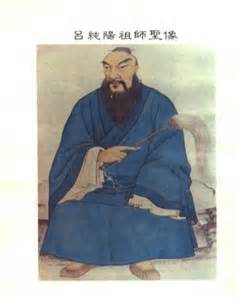
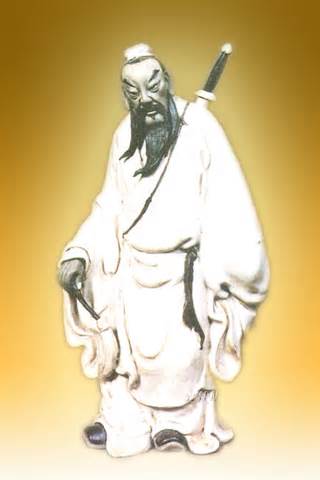
Lu Dong Bin (Revered Daoist Master)
Lu Ju said: Ancient deity and human heart is indifferent but not today
[font=新細明體][size=14pt]呂祖仙師曰: 「古之所謂正法時期者,仙與人其聖凡之心無別也。」[/size][/font]
Lǚ Dòngbīn (Chinese: [font=新細明體]呂洞賓[/font]) is a historical figure and also a deity/Immortal revered by many in the Chinese cultural sphere, especially by Daoists. Lǚ Dòngbīn is one of the most widely known of the group of deities known as the Eight Immortals and considered by some to be the de facto leader. (The formal leader is more likely said to be Zhongli Quan.) He is also a historical figure who was mentioned in the official history book “History of Song”. Lǚ is widely considered to be one of the earliest masters of the tradition of Neidan, or Internal alchemy. He is depicted in art as being dressed as a scholar and he often bears a sword on his back that dispels evil spirits.
Lu Ju or Lu Dongbin, or he named after himself as ‘The Return to Dao Person’ and according to the Li Shi-Zhen Dao Xian Comprehensive Text, he was born in the twelfth year of Tang’s Zhen guan (year 638) on the fourteen day of the fourth month. Legendary belief that on the day he was born under a tree, an abnormal ‘scent’ was surrounding the trail path at vicinity. He was a bright and smart kid and he could memorize many difficult words and sentences very well. He stood at 8 feet 2 inches tall (not so sure about the actual today measurement though!), yellowish face with a stiff smiling face. It was said that he failed his scholastic examinations three times before he finally passed Jinshi (Tang era government examination); he then served the Tang’s Kingdom for many years. One day he was awaken by the ‘Huang Liang Dream’ or Yellow Millet Dream, that said eventually he would ended up being killed by the King. He left the palace and followed his Master Zhong li Quan to practice Dao and eventually became immortal! He is an Icon for today’s Daoism world, which I will elaborate later.[ 本帖最後由 宏泓道者 於 2013-7-23 01:07 PM 編輯 ]
-
[font=Arial][font=KaiTi][size=16pt]天上聖母[/size][/font][font=KaiTi][size=16pt] [/size][/font][font=KaiTi][size=16pt]降[/size][/font][font=KaiTi][size=16pt][/size][/font][/font][align=right][font=Times New Roman][font=KaiTi][size=16pt]丙子年七月初五日[/size][/font][font=KaiTi][size=16pt][/size][/font][/font][/align][font=Times New Roman][font=KaiTi][size=16pt][/size][/font][/font]
[font=Times New Roman][font=KaiTi][size=16pt][/size][/font][/font]
[font=Times New Roman][font=KaiTi][size=16pt][/size][/font][font=KaiTi][size=16pt]詩[/size][/font][font=KaiTi][size=16pt][/size][/font][/font]
[font=Times New Roman][font=KaiTi][size=16pt][/size][/font][font=KaiTi][size=16pt]天[/size][/font][font=KaiTi][size=16pt]傳大道永掛胸懷[/size][/font][font=KaiTi][size=16pt] [/size][/font][font=KaiTi][size=16pt]上[/size][/font][font=KaiTi][size=16pt]蒼慈憫法雨密佈[/size][/font][font=KaiTi][size=16pt][/size][/font][/font]
[font=Times New Roman][font=KaiTi][size=16pt][/size][/font][font=KaiTi][size=16pt]聖[/size][/font][font=KaiTi][size=16pt]心修持誠念隨身[/size][/font][font=KaiTi][size=16pt] [/size][/font][font=KaiTi][size=16pt]母[/size][/font][font=KaiTi][size=16pt]慈代訓永記心田[/size][/font][font=KaiTi][size=16pt][/size][/font][/font]
[font=Times New Roman][font=KaiTi][size=16pt][/size][/font][font=KaiTi][size=16pt]話[/size][/font][font=KaiTi][size=16pt][/size][/font][/font]
[font=Times New Roman][font=KaiTi][size=16pt][/size][/font][font=KaiTi][size=16pt]今宵特請台南後壁下茄苳泰安宮天上聖母到壇批玄機,眾鸞生肅靜,好好觀習,永記心田修持。吾退一旁,候等聖駕再批。[/size][/font][font=KaiTi][size=16pt][/size][/font][/font]
[font=KaiTi][size=16pt][font=Times New Roman][/font][/size][/font]
[font=Arial][font=KaiTi][size=16pt]台南後壁下茄苳泰安宮天上聖母[/size][/font][font=KaiTi][size=16pt] [/size][/font][font=KaiTi][size=16pt]降[/size][/font][font=KaiTi][size=16pt][/size][/font][/font][font=Times New Roman][font=KaiTi][size=16pt] [/size][/font][font=KaiTi][size=16pt]詩[/size][/font][font=KaiTi][size=16pt][/size][/font][/font]
[font=Times New Roman][font=KaiTi][size=16pt][/size][/font][font=KaiTi][size=16pt]三期良機下元難過[/size][/font][font=KaiTi][size=16pt] [/size][/font][font=KaiTi][size=16pt]上蒼茄勉苳天豐穀[/size][/font][font=KaiTi][size=16pt][/size][/font][/font]
[font=Times New Roman][font=KaiTi][size=16pt][/size][/font][font=KaiTi][size=16pt]上遙世家聖仙佛居[/size][/font][font=KaiTi][size=16pt] [/size][/font][font=KaiTi][size=16pt]母訓慈意九六原兒[/size][/font][font=KaiTi][size=16pt][/size][/font][/font]
[font=Times New Roman][font=KaiTi][size=16pt][/size][/font][/font]
[font=Times New Roman][font=KaiTi][size=16pt][/size][/font][font=KaiTi][size=16pt]上參[/size][/font][font=KaiTi][size=16pt][/size][/font][/font]
[font=Times New Roman][font=KaiTi][size=16pt]母顏[/size][/font][font=KaiTi][size=16pt] [/size][/font][font=KaiTi][size=16pt]再示[/size][/font][font=KaiTi][size=16pt][/size][/font][/font]
[font=Times New Roman][font=KaiTi][size=16pt][/size][/font][font=KaiTi][size=16pt]今宵到壇批示白話文,詳加記錄,留傳萬世,作為準則。[/size][/font][font=KaiTi][size=16pt][/size][/font][/font]
[font=Arial][/font][font=Arial][font=KaiTi][size=16][/font][/font][/size]
[font=Arial][font=KaiTi][size=16]述:孝親之道[/font][font=KaiTi][/font][/font][/size][font=Times New Roman][font=KaiTi][size=16pt] [/size][/font][/font]
[font=Times New Roman][font=KaiTi][size=16pt]為人在世不可不知其孝,蓋雙親之情,養育之恩,如同大海,無以可比。觀現今社會,五常道德,沈淪含糊,父不父,子不子,兄不兄,弟不弟,無以倫焉,苦不堪言,敗壞風氣,沈淪無規。今借此緣到壇闡述一番。[/size][/font][/font]
[font=Times New Roman][/font]
[font=Times New Roman][font=KaiTi][size=16pt][/size][/font][/font]
[font=Times New Roman][font=KaiTi][size=16pt][/size][/font][font=KaiTi][size=16pt]古訓曰:「家有一老,如有一寶,家有二老,全無煩惱。」可知親如寶,金錢萬貫難買一老,老者即生吾育吾之雙親。古言:「一日為師,終生為父。」可想而知,師長亦可稱之為雙親,蓋雙親身兼教、養兒女之職,身教言教,以身作則,世人皆知也。[/size][/font][/font]
[font=Times New Roman][font=KaiTi][size=16pt][/size][/font][/font]
[font=Times New Roman][font=KaiTi][size=16pt][/size][/font][font=KaiTi][size=16pt]父母恩情,山高海深,十月懷胎,三年哺乳,十年教養,歷盡千辛萬苦,為兒為女,再苦再累,流血流汗,在所不辭,只為將我等扶養長大成人,此恩此德生養之恩,天高地厚,為人子女者,萬不可忘也。無奈道德沈淪,長大成人之後,被社會五光十色,污穢之氣而蒙蔽,原本純潔孝順、尊親之心,反變「飼親」字眼出籠,怎不令人痛心?飼不如養,宛如家禽乎?悲也!嘆也!中國五千年之歷史,教忠教孝,難道要毀於這一代嗎?[/size][/font][/font]
[font=Times New Roman][font=KaiTi][size=16pt][/size][/font][/font]
[font=Times New Roman][font=KaiTi][size=16pt][/size][/font][font=KaiTi][size=16pt]上蒼慈憫,批示文字,以醒原兒。年輕朋友,靜心沈思,幼小之時,雙親如何待你?每當身體不適,是誰在旁照料?想想其種種,歷歷在目。時空拉回,現在的自己又是怎樣待父母呢?病痛之時可曾在旁照顧?可曾噓寒問暖?三餐有敬嗎?是否將雙親送至養老院、安養中心呢?仔細想想,再訓後文。[/size][/font][font=KaiTi][size=16pt][/size][/font][/font]
[font=Times New Roman][font=KaiTi][size=16pt][/size][/font][font=KaiTi][size=16pt]自己是否淚流滿面、泣不成聲呢?啊!實可感歎!勸今為人子女者,用孝心敬父母,用誠意待雙親,無以目的,反哺之情,天經地義,人之初根。及時行孝,莫待「樹欲靜而風不止,子欲養而親不在」,則為時已晚矣![/size][/font][/font]
[font=Times New Roman][font=KaiTi][size=16pt][/size][/font][/font]
[font=Times New Roman][font=KaiTi][size=16pt][/size][/font][font=KaiTi][size=16pt]詩云:[/size][/font][font=KaiTi][size=16pt][/size][/font][/font]
[font=Times New Roman][font=KaiTi][size=16pt]恩大莫大於親恩[/size][/font][font=KaiTi][size=16pt][/size][/font][/font]
[font=Times New Roman][font=KaiTi][size=16pt]事大莫大於孝親[/size][/font][font=KaiTi][size=16pt][/size][/font][/font]
[font=KaiTi][size=16pt][font=Times New Roman][/font][/size][/font]
[font=Arial][font=KaiTi][size=16][/font][/font][/size]
[font=Arial][font=KaiTi][size=16]述:兄弟手足情深之道[/font][font=KaiTi][/font][/font][/size][font=Times New Roman][font=KaiTi][size=16pt] [/size][/font][/font]
[font=Times New Roman][/font]
[font=Times New Roman][font=KaiTi][size=16pt]不孝雙親,敬神無益,手足不親,交友無益。凡為任何事,欲其圓滿達成,手與足之配合,誠不可缺,故手與足必是相輔方能相成,以手足比喻兄弟,最為恰當,實含意深也。兄弟如同手足,同是父母所生,當避免鬩牆之事發生,以免傷及父母之心,亦是孝道之一。[/size][/font][font=KaiTi][size=16pt][/size][/font][/font]
[font=Times New Roman][font=KaiTi][size=16pt][/size][/font][font=KaiTi][size=16pt]曹子健詩云:[/size][/font][font=KaiTi][size=16pt][/size][/font][/font]
[font=Times New Roman][font=KaiTi][size=16pt]煮豆燃豆箕[/size][/font][font=KaiTi][size=16pt] [/size][/font][font=KaiTi][size=16pt]豆在釜中泣[/size][/font][font=KaiTi][size=16pt][/size][/font][/font]
[font=Times New Roman][font=KaiTi][size=16pt]本是同根生[/size][/font][font=KaiTi][size=16pt] [/size][/font][font=KaiTi][size=16pt]相煎何太急[/size][/font][font=KaiTi][size=16pt][/size][/font][/font]
[font=KaiTi][size=16pt][font=Times New Roman][/font][/size][/font]
[font=Times New Roman][font=KaiTi][size=16pt][/size][/font][font=KaiTi][size=16pt]兄友弟恭為手足之情昇華之表現,其為修道者必修課程。手足情是由兄弟間互助、互諒、互讓而產生,凡為兄弟者,不能如是,實不配以兄弟相稱。[/size][/font][font=KaiTi][size=16pt][/size][/font][/font]
[font=Times New Roman][font=KaiTi][size=16pt][/size][/font][font=KaiTi][size=16pt]手足情不僅存於同胞兄弟之間,亦存於義結金蘭之異姓兄弟,及於鸞生、同修之間。[/size][/font][font=KaiTi][size=16pt][/size][/font][/font]
[font=Times New Roman][font=KaiTi][size=16pt][/size][/font][font=KaiTi][size=16pt]兄弟如能同心相照,日月可比,情深意重,共扶家園,一同孝親,可比大同天也。[/size][/font][font=KaiTi][size=16pt][/size][/font][/font]
[font=Times New Roman][font=KaiTi][size=16pt][/size][/font][font=KaiTi][size=16pt]話[/size][/font][/font]
[font=Times New Roman][/font]
[font=Times New Roman][/font][font=Times New Roman][font=KaiTi][size=16pt][/size][/font][font=KaiTi][size=16pt]因時間有限,淺淺到此,改日再言,今宵登台,觀眾鸞生誠心可嘉,共扶聖事,家家圓滿,實可感也,至此,吾回。[/size][/font][/font][font=KaiTi][size=16pt][/size][/font] -

[font=Arial][font=KaiTi][size=16]崑崙山劉伯溫仙翁[/font][font=KaiTi] [/font][font=KaiTi]降[/font][/font][/size][font=Arial][/font]
[font=Arial][font=KaiTi][size=16][/font][/font][/size][font=Times New Roman][font=KaiTi][size=16pt][/size][/font][font=KaiTi][size=16pt]詩[/size][/font][font=KaiTi][size=16pt][/size][/font][/font]
[font=Times New Roman][font=KaiTi][size=16pt][/size][/font][font=KaiTi][size=16pt]挽迷醒悟憑心堅,不怕風霜受苦煎。[/size][/font][font=KaiTi][size=16pt][/size][/font][/font]
[font=Times New Roman][font=KaiTi][size=16pt][/size][/font][font=KaiTi][size=16pt]善德修持成美果,勸生信仰莫狂顛。[/size][/font][/font]
[font=Times New Roman][/font]
[font=Times New Roman][font=KaiTi][size=16pt][/size][/font][/font]
[font=Times New Roman][font=KaiTi][size=16pt][/size][/font][font=KaiTi][size=16pt]七字言[/size][/font][font=KaiTi][size=16pt][/size][/font][/font]
[font=Times New Roman][font=KaiTi][size=16pt][/size][/font][font=KaiTi][size=16pt]假人假體學道真,真中真假而有因。[/size][/font][font=KaiTi][size=16pt][/size][/font][/font]
[font=Times New Roman][font=KaiTi][size=16pt][/size][/font][font=KaiTi][size=16pt]因果果因人該究,究理理究察自身。[/size][/font][font=KaiTi][size=16pt][/size][/font][/font]
[font=Times New Roman][font=KaiTi][size=16pt][/size][/font][font=KaiTi][size=16pt]身價高低無愚賢,賢曉德貴步無偏。[/size][/font][font=KaiTi][size=16pt][/size][/font][/font]
[font=Times New Roman][font=KaiTi][size=16pt][/size][/font][font=KaiTi][size=16pt]偏偏左道道理失,失蹤難覓後果煎。[/size][/font][font=KaiTi][size=16pt][/size][/font][/font]
[font=Times New Roman][font=KaiTi][size=16pt][/size][/font][font=KaiTi][size=16pt]煎身爐煆煉真靈,靈不突竅蔽光明。[/size][/font][font=KaiTi][size=16pt][/size][/font][/font]
[font=Times New Roman][font=KaiTi][size=16pt][/size][/font][font=KaiTi][size=16pt]明心心正常磨擦,擦磨用志促身行。[/size][/font][font=KaiTi][size=16pt][/size][/font][/font]
[font=Times New Roman][font=KaiTi][size=16pt][/size][/font][font=KaiTi][size=16pt]行道萬里憑堅心,心勿懈怠善果欣。[/size][/font][font=KaiTi][size=16pt][/size][/font][/font]
[font=Times New Roman][font=KaiTi][size=16pt][/size][/font][font=KaiTi][size=16pt]欣敬師訓教旨守,守己安分意同心。[/size][/font][font=KaiTi][size=16pt][/size][/font][/font]
[font=Times New Roman][font=KaiTi][size=16pt][/size][/font][font=KaiTi][size=16pt]心始心至心關心,心上心下心主臨。[/size][/font][font=KaiTi][size=16pt][/size][/font][/font]
[font=Times New Roman][font=KaiTi][size=16pt][/size][/font][font=KaiTi][size=16pt]臨事臨變臨理智,智聰智劣玄靈覺。[/size][/font][font=KaiTi][size=16pt][/size][/font][/font]
[font=Times New Roman][font=KaiTi][size=16pt][/size][/font][font=KaiTi][size=16pt]覺有覺無覺中崩,崩潰道果枉一生。[/size][/font][font=KaiTi][size=16pt][/size][/font][/font]
[font=Times New Roman][font=KaiTi][size=16pt][/size][/font][font=KaiTi][size=16pt]生靈無德步難行,行前顧後君子志。[/size][/font][font=KaiTi][size=16pt][/size][/font][/font]
[font=Times New Roman][font=KaiTi][size=16pt][/size][/font][font=KaiTi][size=16pt]志氣提高書道玄,玄玄先天天之靈。[/size][/font][font=KaiTi][size=16pt][/size][/font][/font]
[font=Times New Roman][font=KaiTi][size=16pt][/size][/font][font=KaiTi][size=16pt]靈光明暗靈益明,明道明理明正己。[/size][/font][font=KaiTi][size=16pt][/size][/font][/font]
[font=Times New Roman][font=KaiTi][size=16pt][/size][/font][font=KaiTi][size=16pt]己範示眾濁澄清,清天白日無雲罩。[/size][/font][font=KaiTi][size=16pt][/size][/font][/font]
[font=Times New Roman][font=KaiTi][size=16pt][/size][/font][font=KaiTi][size=16pt]罩脫星耀朗路程。[/size][/font][/font][font=KaiTi][size=16pt][/size][/font]